Hot Press Machines Explained: Types, Components, Working Process, Applications and Benefits
Hot press machines are industrial machines that combine heat and pressure to join, shape, compress, laminate, or consolidate materials. A hot press machine can be used with materials such as wood-based panels, plastics, composites, rubber compounds, laminates, ceramics, and certain engineered materials. Understanding the types, components, working process, applications, and benefits of hot press machines helps readers understand how controlled heat and pressure are used in modern manufacturing.
What Is a Hot Press Machine?
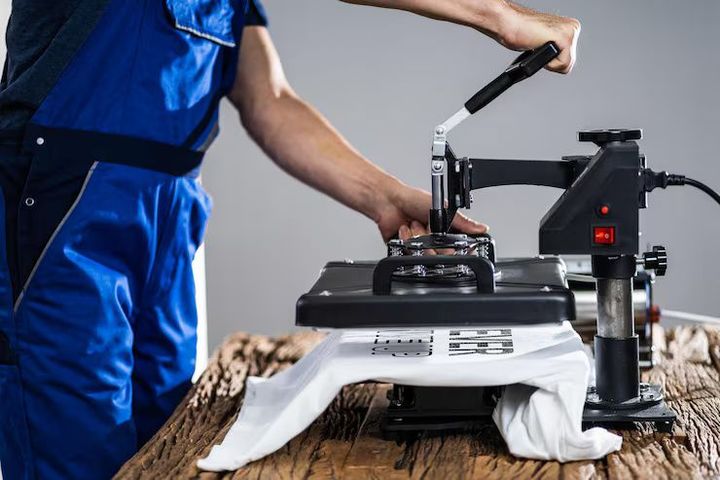
A hot press machine is a mechanical system designed to apply controlled pressure while simultaneously heating a material or workpiece. The combination of temperature, pressure, and holding time allows materials to change shape, bond together, cure, consolidate, or form a required structure.
The basic concept is relatively straightforward. Material is placed between heated surfaces or inside a heated tooling arrangement. The machine then applies pressure while maintaining a specified temperature for a particular period.
Hot pressing developed alongside industrial manufacturing processes that required more consistent forming and bonding methods. Over time, hydraulic, pneumatic, mechanical, and electrically controlled systems have been developed for different materials and production requirements.
Why Heat and Pressure Are Combined
Heat can soften, activate, or cure certain materials, while pressure helps maintain contact and shape. When these two factors are controlled together, manufacturers can produce components with more consistent dimensions and material distribution.
Common variables include:
- Temperature
- Applied pressure
- Heating rate
- Holding time
- Cooling rate
- Material thickness
- Tool or platen dimensions
The appropriate combination depends on the material and the intended process.
Importance
Why Hot Press Machines Matter
Hot press machines are important because many industrial materials require controlled temperature and pressure during forming or joining. Manual heating and compression can produce variations, while a controlled machine can regulate the main process variables.
Hot pressing is used in areas such as furniture manufacturing, composite production, plastics processing, electronics, laboratory research, ceramics, and engineered-material production. Different industries use different machine configurations depending on material properties and production requirements.
Common Manufacturing Challenges
Manufacturers working with heat-sensitive or pressure-sensitive materials may need to manage several challenges. Uneven heating can affect material quality, while uneven pressure can produce differences in thickness or bonding.
Other considerations include:
- Maintaining consistent temperature across the working area
- Controlling pressure throughout the pressing cycle
- Preventing excessive heating
- Managing cooling before material removal
- Maintaining alignment between platens
- Protecting operators from heated and moving components
A hot press machine addresses these process requirements through mechanical structures, heating systems, pressure systems, and control equipment.
Types of Hot Press Machines
Hydraulic Hot Press Machines
Hydraulic hot press machines use hydraulic cylinders to generate pressing force. Hydraulic systems can provide controlled and relatively high pressure, making them suitable for applications involving larger workpieces or substantial compression requirements.
The machine typically includes a hydraulic power unit, cylinders, platens, pressure controls, and a heating arrangement.
Pneumatic Hot Press Machines
Pneumatic hot press machines use compressed air to generate pressing movement. They are commonly associated with applications where moderate pressing force and relatively simple machine operation are required.
Pressure regulation allows the operator or control system to adjust the force applied during the process.
Mechanical Hot Press Machines
Mechanical systems use mechanisms such as screws, linkages, cams, or other mechanical arrangements to generate pressure. Their operating characteristics depend on the specific mechanical design.
These machines can be useful when the pressing process requires a predictable mechanical movement and controlled force.
Laboratory Hot Press Machines
Laboratory hot press machines are designed for research, material testing, sample preparation, and small-scale development. They generally have smaller working areas and more controlled process settings.
Researchers can use them to study how materials respond to different combinations of temperature and pressure before a process is considered for larger production environments.
Vacuum Hot Press Machines
Vacuum hot press systems combine heating and pressure with a controlled low-pressure environment around the material. This configuration can help reduce trapped air or gas in certain material-processing applications.
Vacuum systems are used for particular composite, laminate, ceramic, and advanced-material processes where atmospheric conditions can affect the result.
Main Components of a Hot Press Machine
A hot press machine contains several components that work together to control heat, pressure, movement, and safety.
| Component | Main Function |
|---|---|
| Heated Platens | Transfer controlled heat to the material |
| Hydraulic or Pneumatic System | Generates pressing force |
| Heating Elements | Produce the required thermal energy |
| Temperature Sensors | Measure operating temperature |
| Pressure Sensors | Monitor applied pressure |
| Control Panel | Controls process settings |
| Frame | Supports the machine structure |
| Tooling | Shapes or holds the material |
| Insulation | Helps manage heat transfer |
| Safety System | Helps protect operators during operation |
Heated Platens
Platens are flat surfaces that contact or support the material during pressing. Heating elements are commonly installed within or near the platens to provide controlled thermal energy.
Uniform platen temperature can be important because temperature differences across the working area may influence the processing result.
Pressure System
The pressure system produces the force needed to compress or form the material. Hydraulic cylinders, pneumatic cylinders, or mechanical systems may be used depending on machine design.
Control System
Modern hot press machines can use electronic controllers, temperature sensors, pressure monitoring, timers, and programmable sequences. These controls allow the pressing cycle to follow defined process parameters.
Working Process of a Hot Press Machine
Material Preparation
The material is first prepared according to the required dimensions and process conditions. Depending on the application, preparation may involve cleaning, cutting, layering, drying, mixing, or placing material into a mold.
Loading
The prepared material is positioned between the heated platens or inside the appropriate tooling. Correct positioning is important because misalignment can affect pressure distribution and final dimensions.
Heating
The machine raises the temperature to the required processing range. Temperature sensors monitor the process while the heating system supplies thermal energy.
Different materials require different temperature ranges. The correct setting depends on material characteristics and the specific manufacturing process.
Pressing
Once the required thermal condition is reached, pressure is applied. The pressure may be increased gradually or applied according to a programmed sequence.
The combination of heat and pressure can cause softening, bonding, curing, consolidation, or deformation, depending on the material.
Holding
The material remains under controlled conditions for a defined period. Holding time allows the intended physical or chemical process to take place.
Cooling and Removal
After the required pressing cycle, the material may be cooled under pressure or released according to the process design. Once suitable conditions are reached, the finished component is removed from the machine.
Applications of Hot Press Machines
Wood and Furniture Materials
Hot pressing is commonly associated with the production of laminated boards, veneers, panels, and other engineered wood products. Heat and pressure can help bond layers using suitable adhesives.
Plastics and Composites
Certain plastics and composite materials can be processed using controlled heat and pressure. Hot pressing can help form sheets, panels, components, and test specimens.
Ceramics and Advanced Materials
Hot pressing is also used in specialized ceramic and advanced-material processes. Pressure and elevated temperature can help reduce porosity and improve material consolidation under suitable conditions.
Electronics and Industrial Components
Certain electronic and industrial manufacturing processes use controlled pressing and heating for laminating, bonding, or forming materials. Machine configuration varies significantly according to the application.
Research and Material Testing
Universities, laboratories, and industrial research facilities can use laboratory hot press machines to investigate material behavior. Researchers can study how temperature, pressure, time, and material composition affect a sample.
Benefits and Limitations
Process Benefits
Hot pressing can provide several process-related advantages when correctly matched with the material and application:
- Controlled heat and pressure
- Repeatable processing conditions
- Consistent material compression
- Controlled forming and bonding
- Compatibility with various tooling arrangements
- Programmable process cycles on many modern machines
Important Limitations
Hot pressing also has limitations. Machines require suitable tooling, electrical or thermal systems, maintenance, operator training, and appropriate safety controls.
Incorrect temperature, pressure, or holding time can damage materials or produce inconsistent results. Machine selection therefore depends on material properties, workpiece dimensions, required force, temperature range, and production requirements.
Recent Updates
Greater Process Automation
From 2024 through 2026, industrial machinery has continued moving toward greater automation and digital monitoring. Hot press systems can increasingly incorporate programmable controllers, digital temperature monitoring, pressure sensors, cycle recording, and automated sequences.
These developments reflect a broader manufacturing trend toward improved process visibility and more consistent control rather than a change to the fundamental hot pressing principle.
Greater Attention to Machine Safety
Machine safety and conformity assessment have also received increased regulatory attention in India. The Bureau of Indian Standards has maintained and updated guidance associated with machinery and electrical equipment safety, including Scheme-X certification information and machine-category guidance.
For a particular hot press model, the applicable requirements depend on its design, electrical characteristics, intended application, and classification under the relevant regulations and standards.
Digital Monitoring
Modern industrial equipment increasingly uses sensors and electronic controls to monitor temperature, pressure, cycle duration, and other operating variables. These systems can provide operators with process information that was previously monitored manually.
Laws or Policies
Machinery Safety in India
In India, machinery manufacturers and users need to consider applicable safety standards, conformity requirements, electrical requirements, and workplace safety rules. The Machinery and Electrical Equipment Safety framework includes standards addressing general machinery safety and electrical equipment of machines.
The Occupational Safety, Health and Working Conditions framework also addresses responsibilities associated with articles used in factories, including provisions concerning safe design, manufacture, installation, and use.
BIS Requirements
BIS states that machinery or electrical equipment covered by compulsory certification requirements must follow the applicable conformity-assessment process. The exact requirement depends on whether the specific machine or equipment falls within the notified product categories.
BIS also provides a “Know Your Standard” facility for searching applicable Indian Standards using a product name or standard number.
Because hot press machines can have different configurations, users should identify the specific machine category and applicable standards rather than assuming that every hot press is subject to the same certification requirement.
Tools and Resources
Several resources can help readers understand or evaluate hot press machine processes:
- BIS standards databases for identifying relevant Indian Standards
- Temperature controllers for monitoring heating cycles
- Pressure gauges and sensors for observing applied force
- Digital timers for controlling process duration
- Technical manuals for machine operation and maintenance
- Material data sheets for understanding thermal and pressure requirements
- Engineering calculators for pressure, force, area, and temperature-related calculations
- Machine safety checklists for identifying operational hazards
BIS provides online information for identifying standards, certification procedures, testing requirements, and machine-safety resources.
FAQs
What is a hot press machine?
A hot press machine is equipment that applies heat and pressure to a material at the same time. It can be used for forming, laminating, bonding, curing, compressing, or consolidating different materials.
How does a hot press machine work?
A hot press machine generally works by loading material into heated tooling, raising the temperature to the required level, applying controlled pressure, holding the material for a defined period, and then cooling or releasing the finished component.
What are the main types of hot press machines?
Common types include hydraulic hot press machines, pneumatic hot press machines, mechanical hot press machines, laboratory hot press machines, and vacuum hot press machines. Their suitability depends on material, pressure, temperature, workpiece size, and process requirements.
What components are found in a hot press machine?
Typical components include heated platens, heating elements, pressure cylinders or mechanical systems, temperature sensors, pressure sensors, a frame, tooling, insulation, and a control panel.
Are hot press machines covered by Indian machinery regulations?
Some machinery and electrical equipment categories in India are subject to specific BIS conformity requirements, while workplace machinery is also affected by occupational safety rules. Whether a particular hot press machine falls under a specific requirement depends on its technical classification and intended use.
Conclusion
Hot press machines combine controlled heat and pressure to process materials through forming, bonding, laminating, curing, compression, or consolidation. Their main systems include heated platens, pressure mechanisms, sensors, tooling, controls, and safety equipment. Different configurations are used across wood products, plastics, composites, ceramics, electronics, and material research. Current developments increasingly focus on digital monitoring, process automation, and machinery safety requirements.