Tile Cutting Machines Guide: Types, Components, Working Methods, Uses and Key Features
Tile cutting machines are tools designed to cut ceramic, porcelain, stone, and other tile materials into specific shapes and sizes. Depending on the design, a tile cutting machine may use a scoring wheel, rotating diamond blade, water-cooled cutting system, or guided electric mechanism. These machines are used in home renovation, flooring, wall finishing, construction, interior work, and tile fabrication where accurate cuts are required.
What Is a Tile Cutting Machine?
A tile cutting machine is equipment used to divide tiles along planned cutting lines. Tiles are manufactured in standard rectangular or square formats, but installation areas often contain corners, edges, columns, pipes, doorways, and irregular spaces. Cutting equipment allows a tile to be adjusted to the required dimensions.
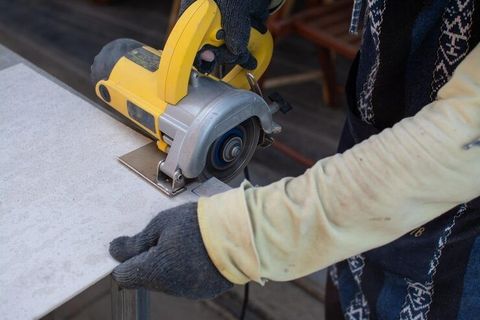
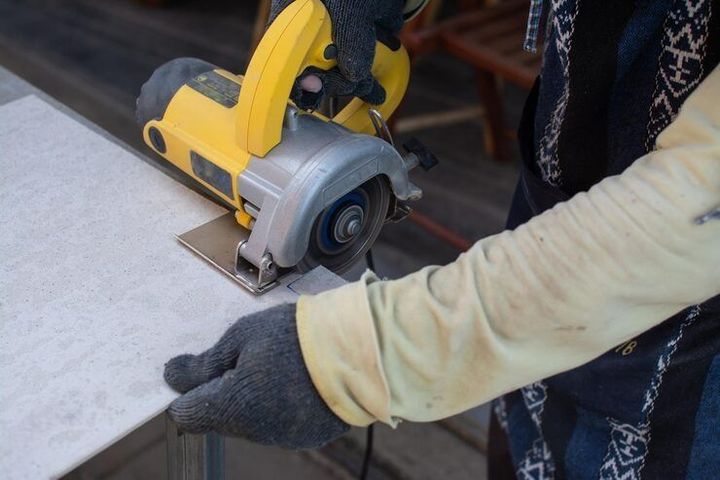
Simple manual tile cutters normally score the surface and then apply controlled pressure to separate the tile. Electric models use a motor-driven blade to cut through the material. Wet cutting machines add water near the cutting area to cool the blade and help control airborne dust.
Tile cutting developed alongside ceramic and stone construction materials. As tile formats became more varied and materials such as porcelain became denser, cutting equipment evolved from simple hand tools into manual rail cutters, electric saws, bridge-style machines, and specialized systems for large-format slabs.
Why Different Types Exist
Different tiles have different thicknesses, densities, surface finishes, and dimensions. A thin ceramic wall tile may require a different cutting method from a thick porcelain floor tile or natural stone panel.
The main tile cutting machine categories include:
- Manual tile cutters using a scoring wheel and breaking mechanism.
- Electric tile cutters using a rotating diamond blade.
- Wet saws using water during the cutting process.
- Dry-cutting machines designed for cutting without continuous water.
- Rail-guided cutters designed for long or large-format tiles.
- Bridge-style machines designed for controlled cutting of larger materials.
The appropriate method depends on the tile material, thickness, required cut, work environment, and desired cutting pattern.
Importance
Why Tile Cutting Matters
Accurate cutting affects how tiles fit around walls, corners, fixtures, drains, columns, and other surfaces. Poorly controlled cuts can result in chipped edges, uneven dimensions, cracks, or unnecessary material waste.
Tile cutting machines also help handle repeated cutting during construction and renovation projects. A suitable cutting method can make straight cuts, diagonal cuts, corner cuts, mitre cuts, and certain openings depending on the equipment design.
Common Challenges
Tile cutting involves several practical challenges:
- Material hardness: Porcelain and some natural stones can require diamond cutting tools.
- Tile thickness: Thicker materials generally require equipment with appropriate cutting depth.
- Edge quality: Glazed surfaces can chip when unsuitable blades or excessive pressure are used.
- Dust: Dry cutting can generate fine mineral particles, requiring appropriate dust-control measures.
- Water management: Wet cutting requires suitable water circulation, drainage, and electrical precautions.
- Large dimensions: Oversized tiles require stable support and accurate alignment.
These factors explain why tile cutting machines range from compact handheld equipment to large guided systems.
Main Types of Tile Cutting Machines
| Machine type | Main method | Common materials | Typical applications |
|---|---|---|---|
| Manual cutter | Scoring and breaking | Ceramic, some porcelain | Straight cuts |
| Electric cutter | Rotating diamond blade | Ceramic, porcelain, stone | Straight and angled cuts |
| Wet saw | Water-cooled blade | Porcelain, ceramic, stone | Repeated precision cutting |
| Dry cutter | Dry diamond cutting | Ceramic, porcelain, stone | Portable cutting |
| Rail-guided cutter | Guided scoring or cutting | Large-format tile | Long straight cuts |
| Bridge saw | Guided motorized blade | Large tiles and stone | Larger fabrication work |
Recent Updates
Large-Format Tile Cutting
A noticeable trend during 2024–2026 has been the growing use of equipment designed for large-format porcelain tiles and slabs. Larger surfaces require longer guides, stronger support arrangements, accurate measurement, and controlled movement during cutting.
Manufacturers have also introduced systems combining guide rails, adjustable cutting heads, support structures, and specialized diamond blades. These developments address the handling challenges created by larger tile dimensions.
Dust and Water Management
Dust control has become an important consideration in tile cutting. Wet cutting systems use water around the blade to control heat and reduce airborne particles, while some dry systems incorporate dust collection or extraction arrangements.
Modern designs increasingly combine blade protection, controlled water delivery, debris management, and enclosed working areas. These features are particularly relevant when cutting materials that can produce fine mineral dust.
Measurement and Alignment Features
Some newer tile cutting systems incorporate laser guides, digital measurement displays, adjustable cutting heads, and improved guide rails. These features help users establish cutting lines and repeat dimensions more consistently.
The broader direction of tile cutting equipment is toward improved alignment, dust management, water circulation, portability, and compatibility with larger tile formats.
Laws or Policies
Machinery Rules in India
In India, tile cutting equipment can fall within broader machinery safety requirements depending on its classification and the applicable regulatory schedule. The Machinery and Electrical Equipment Safety framework introduced through the Ministry of Heavy Industries covers categories that include machinery for working stone, ceramics, concrete, asbestos cement, and similar mineral materials.
The framework was established through the Machinery and Electrical Equipment Safety (Omnibus Technical Regulation) Order, 2024, with amendments issued during 2025. The second amendment changed the implementation wording so that the applicable date is to be notified by the Central Government through the Official Gazette.
For equipment covered by the applicable requirements, the framework refers to relevant Indian Standards, including general machinery safety principles concerning risk assessment and risk reduction. Manufacturers and importers should therefore check the current regulatory schedule and applicable standards rather than assuming that every tile cutting machine follows the same certification route.
Workplace Safety and Dust Control
Tile cutting can involve rotating blades, electricity, water, noise, flying fragments, and airborne dust. Workplace safety requirements can therefore apply depending on the worksite, organization, equipment, and activity.
India's Occupational Safety, Health and Working Conditions Code, 2020 provides a broader legal framework concerning occupational safety and working conditions. Construction activities may also be subject to additional requirements and local environmental controls.
Local pollution-control requirements can also affect construction activities where dust and noise are generated. Requirements can vary according to location and project conditions, so current central, state, and local rules should be checked for a particular site.
Tile and Material Standards
Bureau of Indian Standards maintains standards relating to ceramic tiles, including specifications and testing methods. Its standards database allows users to search Indian Standards by product name or standard number.
These tile standards primarily concern the tile material rather than automatically establishing requirements for every cutting machine. Equipment requirements should therefore be checked separately.
Tools and Resources
Measurement Tools
A tile cutting project commonly uses measuring tapes, steel rules, squares, pencils or marking tools, and suitable templates. Accurate measurement is important because the cutting line determines the final tile dimensions.
For repeated work, a consistent measurement system can reduce variation between individual pieces.
Cutting Accessories
Common accessories include:
- Diamond blades suited to the material.
- Scoring wheels for manual cutters.
- Guide rails for long cuts.
- Water trays and pumps for wet saws.
- Blade guards and protective components.
- Suction supports for handling large tiles.
- Dust extraction equipment for suitable dry-cutting systems.
- Edge-finishing tools for smoothing selected cut edges.
The correct accessory depends on the machine design and tile material.
Digital Resources
The Bureau of Indian Standards' “Know Your Standard” portal can be used to search Indian Standards by product name or standard number. BIS also provides information on certification processes, product-specific guidance, and machinery safety requirements.
Machine manuals are another important resource because they normally provide information about blade selection, cutting depth, water circulation, electrical requirements, maintenance intervals, and operating procedures.
Basic Cutting Calculation
A simple measurement calculation can help determine how many pieces may be obtained from a tile sheet or slab. The calculation should account for the required cut dimensions, blade width, edge allowance, and unusable sections.
For example, if a tile is 600 mm wide and several 200 mm sections are required, the theoretical number of sections is calculated by dividing the available width by the required section width. Actual results can differ because the cutting path and edge allowance occupy additional space.
FAQs
What is a tile cutting machine used for?
A tile cutting machine is used to divide ceramic, porcelain, stone, and similar materials into required shapes and dimensions. Depending on the machine, it can produce straight, diagonal, mitre, or specialized cuts.
Which tile cutting machine is suitable for porcelain tiles?
Porcelain is dense and can require a suitable scoring system or diamond blade. Electric wet saws, appropriate manual cutters, and rail-guided systems can be used depending on tile thickness, size, and the required cut.
How does a wet tile cutting machine work?
A wet tile cutting machine uses a rotating blade while water is supplied around the cutting area. The water helps manage blade temperature and can reduce airborne dust during cutting.
What are the main components of a tile cutting machine?
Common components include a cutting blade or scoring wheel, motor where applicable, guide system, cutting table, support surface, blade guard, measurement guide, and water circulation components on wet machines.
What safety features are important in a tile cutting machine?
Important features can include blade guards, stable material support, controlled guides, appropriate electrical protection, water-management components on wet machines, and arrangements for controlling dust and debris. Operators should follow the equipment manufacturer's instructions and applicable workplace requirements.
Conclusion
Tile cutting machines range from simple manual scoring tools to electrically powered wet saws and guided systems for large-format materials. Their main differences involve cutting method, blade design, material compatibility, cutting capacity, dust control, and support arrangements. Recent developments have focused on large-format tile handling, improved alignment, water management, and dust reduction. In India, machinery safety requirements and applicable Indian Standards should be checked according to the specific equipment category and current regulations.