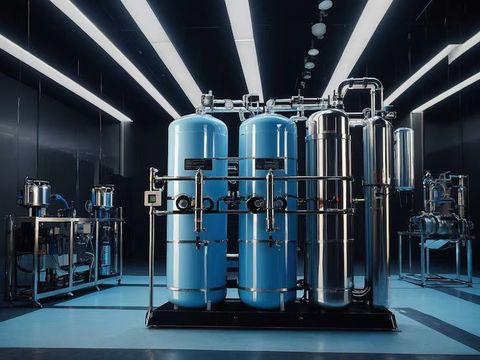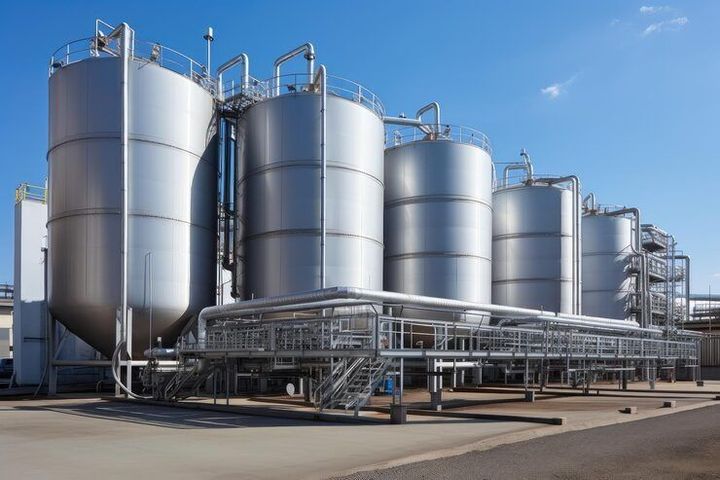
Chemical Storage Tanks Details: Types, Construction, Compatibility, Uses and Maintenance Factors
Chemical storage tanks are containers designed to hold, protect, and manage liquids or other chemical materials before they are processed, transported, or used. Chemical storage tanks are found in manufacturing plants, water-treatment facilities, laboratories, agriculture-related operations, and many other industrial environments. Their design depends on the chemical being stored, required capacity, temperature, pressure, material compatibility, and site conditions.
What Are Chemical Storage Tanks?
Chemical storage tanks are engineered containers used to store chemicals for a defined period while limiting leakage, contamination, evaporation, corrosion, and other hazards. They can range from relatively small tanks used for controlled processes to large industrial vessels that hold substantial quantities of liquid.
A storage tank normally includes a tank body, connections, valves, inspection openings, vents, supports, and other components appropriate to the chemical and operating conditions. Some tanks are atmospheric vessels, while others are designed for controlled pressure or vacuum conditions.
Why Tank Design Matters
A chemical cannot simply be placed in any available container. The chemical can react with the tank material, weaken its walls, create corrosion, or affect seals and fittings. Temperature, concentration, exposure time, ultraviolet radiation, and mechanical loading can also influence the suitability of a tank.
Common tank materials include carbon steel, stainless steel, polyethylene, polypropylene, fiberglass-reinforced plastic, and other specialized materials. The appropriate material depends on the chemical properties and operating conditions rather than the tank material alone.
Common Types of Chemical Storage Tanks
Chemical storage tanks can be classified according to construction material, shape, installation method, and operating conditions.
- Plastic tanks: Often made from polyethylene or polypropylene and used for various liquids where chemical compatibility permits.
- Fiberglass-reinforced plastic tanks: Combine a polymer matrix with reinforcing fibers and can be used in applications requiring corrosion resistance.
- Stainless-steel tanks: Used where strength, cleanliness, temperature conditions, or chemical compatibility make stainless steel appropriate.
- Carbon-steel tanks: Used for selected chemicals and industrial applications where the chemical environment is compatible with steel.
- Vertical tanks: Usually installed on a foundation and designed for relatively large storage volumes.
- Horizontal tanks: Can be used where site layout, transportation, or process requirements favor a horizontal arrangement.
- Double-wall tanks: Incorporate an additional containment layer that can provide another level of protection against leakage.
Importance
Chemical Safety and Containment
The primary purpose of a chemical storage tank is controlled containment. A suitable tank helps reduce the possibility of spills, uncontrolled releases, contamination, and exposure.
Tank selection is particularly important for corrosive, flammable, toxic, reactive, or environmentally hazardous substances. Storage arrangements may also need secondary containment so that a released liquid does not immediately spread beyond the designated area.
Chemical Compatibility
Chemical compatibility means that the tank, lining, gasket, valve, pipe, and other wetted components can withstand contact with the stored material under expected conditions.
Important factors include:
- Chemical concentration
- Operating temperature
- Storage duration
- Chemical reactivity
- Material permeability
- Corrosion behavior
- Mechanical strength
- Exposure to sunlight or weather
- Cleaning requirements
A material that works with one concentration of a chemical may behave differently at another concentration or temperature. Compatibility information should therefore be checked against the specific chemical and operating conditions.
Construction Factors
Chemical tank construction involves more than selecting a container material. Engineers may consider wall thickness, tank dimensions, structural supports, connections, reinforcement, roof design, foundations, vents, and inspection access.
For flammable or volatile materials, additional measures may be required to control vapors, static electricity, ignition sources, and pressure changes. CPCB guidance states that storage tanks should use materials with adequate strength and chemical resistance and should be inspected according to applicable standards.
Typical Uses
Chemical storage tanks are used in many sectors, including:
- Water and wastewater treatment
- Chemical manufacturing
- Pharmaceutical production
- Food and beverage processing
- Agriculture and fertilizer handling
- Paint and coating processes
- Petroleum and related industries
- Metal treatment
- Industrial cleaning processes
- Research and laboratory operations
The tank arrangement differs according to the chemical properties and the process in which the material will eventually be used.
Basic Comparison of Tank Materials
| Tank Material | Typical Characteristics | Common Considerations |
|---|---|---|
| Polyethylene | Lightweight and corrosion-resistant for many chemicals | Temperature and compatibility limits |
| Polypropylene | Chemical resistance with useful temperature capability | Chemical-specific compatibility |
| Fiberglass-reinforced plastic | Corrosion resistance and structural reinforcement | Resin and chemical compatibility |
| Stainless steel | Strong, durable, and suitable for selected chemical environments | Chemical grade and temperature |
| Carbon steel | High structural strength | Corrosion protection and chemical compatibility |
The table provides general characteristics rather than a universal material-selection rule. Chemical-specific compatibility information remains necessary.
Recent Updates
Greater Attention to Chemical Storage Safety
During 2024–2026, chemical storage practices have continued to emphasize containment, inspection, emergency planning, pollution prevention, and identification of hazardous materials. India's environmental framework continues to include the Manufacture, Storage and Import of Hazardous Chemical Rules, 1989 and the Chemical Accidents (Emergency Planning, Preparedness and Response) Rules, 1996.
CPCB guidance also emphasizes appropriate tank location, documented emergency procedures, periodic firefighting-equipment testing, identification of hazardous-chemical pipework, and periodic examination of vessels.
Monitoring and Environmental Controls
Industrial facilities are increasingly incorporating monitoring systems and documented inventories into chemical-management practices. Depending on the facility and substance, monitoring can include leak detection, vapor monitoring, tank-level measurement, temperature measurement, and inspection records.
Environmental regulation has also continued to develop. For example, India's Hazardous and Other Wastes (Management and Transboundary Movement) Rules have undergone amendments, including a 2024 amendment listed by the Ministry of Environment, Forest and Climate Change.
Digital Recordkeeping
Digital inspection records, inventory systems, sensor-based monitoring, and automated alarms are becoming more common in industrial facilities. These systems can help operators track tank levels, inspection intervals, chemical inventories, and abnormal operating conditions.
Such technology does not replace physical inspection or established safety procedures. It generally works alongside established engineering controls and regulatory requirements.
Laws or Policies
Indian Environmental Framework
For an India-focused chemical storage article, several regulatory frameworks may apply depending on the substance, quantity, facility, and activity.
The Manufacture, Storage and Import of Hazardous Chemical Rules, 1989 (MSIHC Rules) establish requirements relating to hazardous chemicals and major accident hazards. The Ministry of Environment, Forest and Climate Change identifies the MSIHC Rules and Chemical Accidents Rules as part of India's chemical-safety framework.
The Environment (Protection) Act, 1986 also provides a broader legal framework for handling hazardous substances and environmental protection. Section 8 requires persons handling hazardous substances to follow prescribed procedural safeguards.
Occupational Safety
Workplace chemical storage can also fall under occupational safety requirements. India's Occupational Safety, Health and Working Conditions Code, 2020 includes provisions concerning health, safety, working conditions, hazardous processes, and safety management.
Actual requirements can vary according to the facility and applicable state or central rules. Industrial operators may also need to consider pollution-control permissions, fire-safety requirements, building provisions, and chemical-specific regulations.
Hazardous Waste
Chemical storage should also be distinguished from hazardous-waste storage. The Hazardous and Other Wastes (Management and Transboundary Movement) Rules, 2016 address management of hazardous and other wastes, including storage and related handling requirements.
Therefore, the regulatory requirements for a tank containing a raw chemical may differ from those applying to a tank used for hazardous waste.
Tools and Resources
Compatibility References
Chemical compatibility charts and manufacturer technical data can help identify suitable tank materials, seals, linings, pipes, and fittings. The chemical's concentration and operating temperature should be considered when using such references.
Safety Data Sheets
A chemical's Safety Data Sheet, commonly called an SDS, provides information about hazards, handling, storage, incompatibilities, emergency measures, and physical properties. SDS information can help establish the conditions that a storage system needs to accommodate.
Regulatory Resources
For facilities in India, useful sources include the Ministry of Environment, Forest and Climate Change, Central Pollution Control Board, India Code, and the relevant State Pollution Control Board. CPCB publishes technical guidance relating to industrial pollution control and chemical storage practices.
Inspection and Maintenance Records
A tank-management record can include:
- Tank identification and chemical name
- Capacity and material
- Installation information
- Inspection dates
- Thickness or structural inspection results
- Valve and fitting checks
- Leak observations
- Cleaning records
- Repair history
- Emergency-equipment checks
- Relevant SDS information
Keeping these records together can make it easier to identify changes in tank condition and maintain consistent inspection practices.
FAQs
What are chemical storage tanks used for?
Chemical storage tanks are used to contain chemicals before processing, treatment, transportation, or controlled use. Applications include manufacturing, water treatment, agriculture, laboratories, and industrial processing.
How is chemical compatibility determined for storage tanks?
Chemical compatibility is determined by comparing the chemical, concentration, temperature, exposure time, and other operating conditions with the properties of the tank and its wetted components. SDS information and manufacturer compatibility data are useful references.
What materials are commonly used for chemical storage tanks?
Common materials include polyethylene, polypropylene, fiberglass-reinforced plastic, stainless steel, and carbon steel. The appropriate material depends on chemical properties, temperature, mechanical requirements, and applicable design conditions.
How often should chemical storage tanks be inspected?
Inspection frequency depends on the tank design, stored chemical, operating environment, applicable standards, and regulatory requirements. CPCB guidance calls for periodic examination of vessels by a competent person under applicable laws.
What maintenance factors are important for chemical storage tanks?
Important factors include checking for corrosion, cracks, deformation, leakage, damaged fittings, blocked vents, worn seals, foundation problems, and deterioration of protective coatings or linings. Inspection records and appropriate testing should be maintained according to the tank design and applicable requirements.
Conclusion
Chemical storage tanks provide controlled containment for a wide range of industrial and process chemicals. Their construction and material selection depend on chemical compatibility, temperature, pressure, capacity, structural requirements, and environmental conditions. Indian regulations and technical guidance address hazardous chemical management, workplace safety, environmental protection, emergency planning, and tank inspection. Regular assessment of tank condition, associated equipment, containment arrangements, and documentation forms an important part of chemical storage management.