Coating Machines Details: Types, Equipment Components, Surface Treatments and Industrial Uses
Coating machines are equipment systems used to place a controlled layer of paint, powder, protective material, adhesive, or another coating onto a surface. They are used on metal, plastic, wood, glass, paper, and other materials when a surface needs protection, a particular appearance, or a functional property. A coating machine can range from a spray unit to an automated line containing preparation, application, drying, curing, inspection, and material-handling equipment.
What coating machines are
A modern coating system is selected according to the substrate, coating formulation, required film thickness, part shape, production volume, and curing method.
How the process works
Many coating lines follow a sequence of surface preparation, application, curing or drying, inspection, and handling. Preparation may include cleaning, degreasing, abrasive blasting, chemical treatment, or mechanical abrasion.
Importance
Why surface treatment matters
Surface treatment affects how a coating attaches to a substrate and how the finished layer behaves. Dust, oil, moisture, rust, scale, or an unsuitable surface profile can contribute to poor adhesion, blistering, uneven coverage, or deterioration.
Where coating machines are used
Coating equipment is used across manufacturing because surfaces may need protection, appearance changes, electrical insulation, chemical resistance, heat resistance, or controlled friction. Common applications include:
- Automotive components, body panels, wheels, and structural parts
- Construction equipment, fabricated steel, doors, and panels
- Electrical enclosures and selected electronic components
- Appliances and household metal products
- Pipes, tanks, valves, and industrial machinery
- Furniture, wood panels, and decorative products
- Packaging materials and continuously coated metal sheets
- Agricultural equipment and infrastructure components
Main types of coating machines
A spray coating machine uses atomized liquid or powder and may be manual, semi-automatic, or robotic. Powder coating systems apply dry powder, often using electrostatic charging, followed by heat curing.
Dip coating machines immerse components in a liquid coating and remove them at a controlled rate. Roller coating machines transfer material through rollers and are common for flat sheets and panels. Curtain coating systems create a controlled falling layer through which a moving substrate passes.
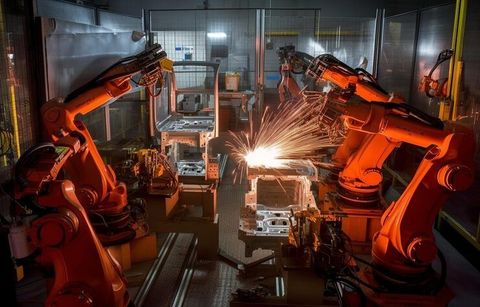
Electrostatic coating systems use electrical charge to attract coating particles toward a grounded workpiece. Automated coating lines can combine robots, conveyors, booths, ovens, filtration units, and inspection equipment.
| Machine type | Typical material | Common use | Main feature |
|---|---|---|---|
| Spray coating | Liquid or powder | Parts and assemblies | Atomized application |
| Powder coating | Dry powder | Metal components | Electrostatic application and heat curing |
| Dip coating | Liquid | Complex components | Immersion and controlled withdrawal |
| Roller coating | Liquid or viscous material | Sheets and panels | Metered roller transfer |
| Curtain coating | Liquid | Flat panels | Falling coating layer |
| Robotic coating | Liquid or powder | Repeated industrial parts | Programmed movement |
Equipment Components
Core components
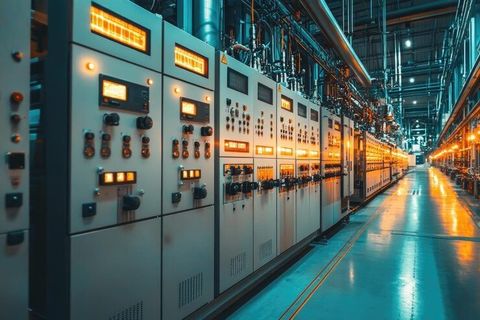
A coating machine may include a material tank, pump or feed unit, filters, regulators, hoses, pipes, applicator, control panel, conveyor, booth, ventilation equipment, and curing unit. Material-feed components control how coating reaches the applicator, while nozzles and spray settings influence coverage.
Drying and curing equipment
Drying removes liquid components or moisture, while curing creates the intended film through physical or chemical changes. Industrial systems may use heated ovens, infrared equipment, ultraviolet curing units, or controlled airflow.
Temperature, conveyor speed, and residence time can influence film formation. Process controls therefore need to match the coating formulation and substrate.
Air handling and inspection
Spray booths commonly use controlled airflow and filtration to manage overspray and airborne particles. Inspection equipment can include dry-film thickness gauges, wet-film gauges, gloss meters, adhesion testers, color instruments, and temperature or humidity meters.
Surface Treatments
Cleaning and mechanical preparation
Cleaning removes oil, grease, dust, salts, and other contaminants. Mechanical preparation may involve sanding, grinding, wire brushing, or abrasive blasting.
Chemical treatments
Chemical treatments can modify a surface before painting or another coating process. Phosphating and related conversion treatments are used on some metal substrates to support adhesion and corrosion performance. Selection depends on the substrate, coating, process chemistry, and environmental controls.
Coating quality may be assessed through film thickness, adhesion, appearance, hardness, flexibility, gloss, impact resistance, and environmental resistance. Indian Standards cover several paint and coating specifications and test methods, including film thickness, drying time, adhesion, impact resistance, and powder coating.
Industrial Uses
Automotive and transportation
Automotive manufacturing uses coating equipment for body panels, frames, wheels, and components. Automated spray systems can repeat programmed movements across similar parts, while powder coating is used for selected metal components.
Construction and machinery
Structural steel, construction equipment, pipes, panels, doors, and industrial machinery may use protective coating systems. The selected coating can be designed around exposure to moisture, abrasion, chemicals, temperature changes, or outdoor conditions.
Continuous sheet materials
Roller and coil coating systems apply controlled layers to continuous metal sheets and strips. BIS documentation for pre-painted galvanized steel includes requirements related to coating thickness, adhesion, impact resistance, salt-spray resistance, and other coating characteristics.
Recent Updates
Automation and monitoring
From 2024 through 2026, coating equipment has continued toward greater automation, programmable controls, robotic application, and process monitoring. Systems can record variables such as temperature, conveyor speed, spray parameters, and curing conditions.
Lower-emission approaches
Environmental considerations are influencing coating technology. Water-based formulations, powder coatings, higher-solids materials, improved capture systems, and controlled application methods can reduce certain emissions or material losses, depending on the formulation and process.
India's Eco-mark criteria for paints, varnishes, and powder coatings include limits related to volatile organic compounds and restrictions on certain substances. The criteria also refer to relevant BIS standards and pollution-control consent requirements.
Standards and testing
BIS continues to review standards related to paints and coatings. Recent records include revisions or reviews covering powder coating, paint-film thickness, drying time, chemical examination, and related performance tests.
Laws or Policies
Environmental requirements in India
In India, coating operations can be affected by the Air (Prevention and Control of Pollution) Act, Water (Prevention and Control of Pollution) Act, Environment (Protection) Act, and related rules. Depending on the activity, location, materials, and pollution profile, an industrial unit may need consent or other approvals from the relevant State Pollution Control Board.
The Central Pollution Control Board maintains information on pollution-control frameworks and identifies paints among industrial sectors covered by its environmental work.
A 2024 central notification introduced certain exemptions under the Air Act for specified low-pollution-index industrial plants, subject to conditions. This does not automatically apply to every coating facility; sector classification and state requirements remain relevant.
Worker health and safety
Coating areas may involve fumes, vapors, dust, heat, compressed air, and moving machinery. The Occupational Safety, Health and Working Conditions Code includes provisions concerning ventilation, protection from dust and fumes, workplace conditions, and treatment of wastes and effluents. Implementation details depend on the applicable rules and legal framework.
Tools and Resources
Measurement tools
Common tools used with coating machines include:
- Dry-film thickness gauge for cured coating thickness
- Wet-film gauge for liquid-film thickness during application
- Gloss meter for surface gloss
- Adhesion tester for coating attachment
- Color measurement instrument for color comparison
- Temperature and humidity meter for environmental readings
- Surface-profile gauge for prepared metal surfaces
Online resources
The Bureau of Indian Standards' Know Your Standard portal allows searches by Indian Standard number or product keyword and provides access to related standards information, amendments, testing details, and laboratory information.
The Central Pollution Control Board website provides environmental rules, technical guidance, pollution-control information, and links to State Pollution Control Boards. The Ministry of Environment, Forest and Climate Change maintains information on environmental rules, notifications, and amendments.
FAQs
What is a coating machine?
A coating machine applies a controlled layer of paint, powder, protective material, or another coating to a surface. Its design depends on the coating, substrate, part shape, and process requirements.
What are the main types of coating machines?
Common types include spray coating machines, powder coating systems, dip coating machines, roller coating machines, curtain coating systems, electrostatic systems, and robotic coating lines.
Which coating machine is used for powder coating?
A powder coating system generally includes a powder feed unit, electrostatic spray gun, booth, filtration or recovery equipment, conveyor, and curing oven. The powder is applied to the workpiece and heated to form a continuous film.
Why is surface treatment important before coating?
Surface treatment removes contaminants and can create conditions suitable for adhesion. Cleaning, abrasive preparation, and chemical conversion treatments are selected according to the substrate and coating system.
How is coating thickness measured?
Coating thickness can be measured with wet-film or dry-film gauges, depending on the process stage and material. The measurement method should match the coating system and applicable specification or test standard.
Conclusion
Coating machines combine application, surface preparation, curing, ventilation, handling, and inspection for different industrial products. Their types include spray, powder, dip, roller, curtain, electrostatic, and robotic systems. Surface preparation and controlled curing influence coating performance, while environmental and workplace rules shape industrial operations in India. Recent developments emphasize automation, digital monitoring, emission control, and updated testing standards.