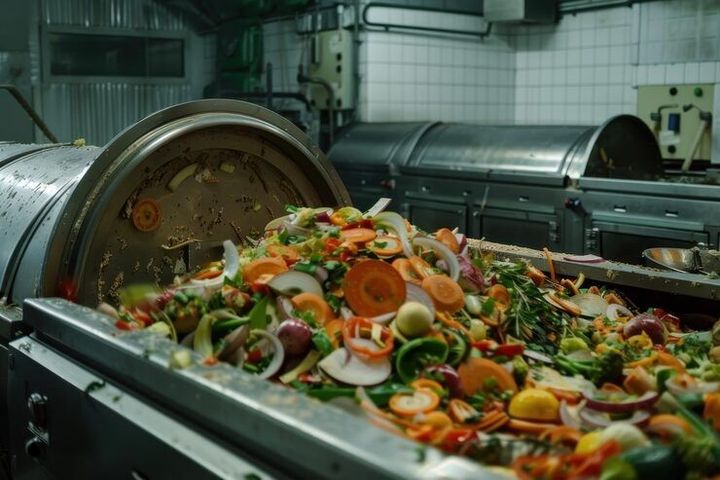
Vegetable Cutting Machines Explore: Designs, Cutting Operations, Applications and Functions
Vegetable cutting machines are food-processing machines designed to prepare vegetables through controlled cutting, slicing, shredding, dicing, chopping, or grating operations. They are used in homes, restaurants, institutional kitchens, food-processing facilities, catering operations, and other settings where vegetables need to be prepared in consistent forms.
The basic idea behind vegetable cutting machines comes from the need to make repetitive food-preparation tasks more consistent and manageable. Manual cutting requires time, physical effort, and continuous attention to produce similar pieces. Mechanical cutting systems use rotating blades, cutting discs, grids, or other arrangements to perform specific operations.
Modern vegetable cutting machines are available in several designs. Some are compact machines intended for smaller kitchens, while others are designed for larger food-processing environments. Their construction, cutting mechanism, capacity, feeding arrangement, and cleaning requirements vary according to their intended application.
Importance
Consistent Vegetable Preparation
Vegetable cutting machines can produce pieces with relatively consistent dimensions when the appropriate blade, disc, or cutting setting is selected. Consistent cutting can be useful when vegetables need similar cooking times or when prepared ingredients are used in standardized recipes.
Different cutting operations can produce different forms, including slices, strips, cubes, shreds, chips, and grated pieces. The final shape depends on the machine design and the cutting components being used.
Reducing Repetitive Manual Work
Preparing large quantities of vegetables manually can involve repeated cutting motions over extended periods. Mechanical equipment can perform repetitive cutting operations while an operator controls feeding, settings, cleaning, and other procedures.
The machines therefore have applications in environments where vegetables are prepared in larger quantities. They can also help organize food preparation into separate stages such as washing, trimming, cutting, and subsequent cooking or processing.
Food Preparation and Hygiene
Equipment used for vegetable preparation must be kept clean because vegetables come into direct contact with cutting surfaces and other machine components. FSSAI guidance states that food-contact equipment should use suitable materials, remain in good repair, and facilitate cleaning and sanitation.
Machine design can influence hygiene. Smooth surfaces, removable components, suitable drainage, and limited areas where food particles can accumulate can make cleaning procedures more manageable.
Recent Updates
Development of Machine-Specific Standards
An important development in India is the Indian Standard IS 18145:2023, titled “Vegetable Cutting Machine — Specification.” BIS describes requirements covering safety and hygiene aspects of vegetable cutting machines, including design, operation, cleaning, and maintenance considerations.
The standard addresses features such as removable major components for inspection and cleaning, protection of hazardous machine parts, machine stability, operator information, and appropriate surrounding conditions. It also discusses suitable containers, water quality, and hygiene practices associated with vegetable processing.
Greater Attention to Cleanable Designs
Food-processing equipment is increasingly designed with cleaning and inspection in mind. Components that can be removed or accessed more easily can help operators inspect areas where vegetable pieces, moisture, or residue may accumulate.
FSSAI guidance for fruits and vegetables also emphasizes equipment that can withstand cleaning methods and materials while using appropriate food-contact surfaces.
More Specialized Cutting Functions
Another continuing trend is the development of machines with interchangeable cutting components. Instead of performing only one operation, some designs can accommodate different discs or blade arrangements for slicing, shredding, dicing, or grating.
This approach allows one machine design to support several preparation tasks, although the exact functions depend on the equipment configuration and manufacturer specifications.
Laws or Policies
Food Safety Requirements in India
In India, vegetable cutting equipment used in food businesses operates within the broader food-safety framework administered by the Food Safety and Standards Authority of India (FSSAI). Food businesses are expected to maintain hygienic and sanitary conditions during food handling and processing.
FSSAI requirements include provisions concerning food-contact equipment. Equipment and containers used for food handling, preparation, and processing should be made from suitable materials that do not introduce harmful substances into food and should be maintained in a clean and sanitary condition.
BIS Standards
BIS has published IS 18145:2023 specifically for vegetable cutting machines. The standard covers safety and hygiene requirements and includes provisions related to machine construction, cleaning, operator information, and protective measures.
BIS also provides a “Know Your Standard” platform where users can search Indian Standards by standard number or product keyword and review related standard information.
Whether a particular machine requires mandatory certification depends on the applicable regulations, product classification, and current government notifications. Manufacturers and food businesses should therefore verify the requirements applicable to their specific equipment rather than assuming that every machine has the same certification obligations.
Tools and Resources
Cutting Components
Blades, cutting discs, grids, and grating components determine the form of the prepared vegetables. Common configurations can produce slices, strips, cubes, shreds, chips, or grated material.
The following table provides a general overview:
| Cutting Component or Method | Typical Result | Common Applications |
|---|---|---|
| Slicing disc | Thin or thick slices | Cucumber, carrot, potato |
| Julienne arrangement | Narrow strips | Carrot, capsicum, vegetables for salads |
| Dicing grid | Cubes | Potato, onion, carrot |
| Shredding disc | Fine or coarse shreds | Cabbage, carrot, cheese-like vegetable preparations |
| Grating surface | Small grated pieces | Carrot, radish, selected vegetables |
| Chopping blade | Smaller irregular pieces | Onion, herbs, mixed vegetables |
Cleaning and Inspection Tools
Cleaning brushes, suitable washing equipment, food-safe cleaning materials, and inspection procedures are important parts of machine maintenance. Components should be cleaned according to the equipment instructions and applicable food-safety procedures.
IS 18145:2023 specifically identifies the importance of removable major components for inspection and cleaning.
Documentation and Standards Resources
BIS's standard-search resources can help users identify relevant Indian Standards. Its platform allows searches by IS number or product name.
FSSAI publications and food-safety guidance documents can also help food businesses understand general hygiene expectations for food-processing equipment and food-contact surfaces.
Applications and Functions
Commercial Kitchens
Restaurants, cafeterias, hotels, institutional kitchens, and catering operations may use vegetable cutting machines when vegetables need to be prepared in repeated quantities. Typical operations include slicing onions, shredding cabbage, dicing potatoes, and preparing vegetable strips.
The appropriate machine configuration depends on the type of vegetables, required cutting form, preparation volume, and available workspace.
Food-Processing Facilities
Food-processing facilities may use vegetable cutting machines as one stage in a larger processing sequence. A typical process can include receiving vegetables, inspection, washing, trimming, cutting, further processing, packaging, storage, and distribution.
The machine itself handles the cutting stage, while other equipment and procedures address the surrounding processing activities.
Institutional Food Preparation
Schools, hospitals, cafeterias, community kitchens, and similar institutions may prepare vegetables in quantities larger than those commonly handled in household kitchens. Mechanical cutting equipment can be incorporated into preparation workflows where consistent cutting operations are required.
Vegetable Cutting Operations
Vegetable cutting machines can perform several functions depending on their design:
- Slicing produces relatively flat pieces of varying thickness.
- Dicing creates cube-like pieces through intersecting cutting arrangements.
- Shredding separates vegetables into narrow strands.
- Julienne cutting creates thin, elongated strips.
- Chipping produces larger narrow pieces, often used for selected vegetables.
- Grating reduces suitable vegetables into small particles.
- Chopping divides vegetables into smaller pieces using cutting blades.
Not every machine performs all of these operations. Interchangeable cutting components may be required to change from one operation to another.
Machine Design and Operating Principles
Feeding Arrangement
Vegetables are generally introduced through a feeding opening, hopper, chute, or similar mechanism. The design controls how vegetables reach the cutting area.
Operators need to follow the equipment's specified feeding method. Hands should not be placed near moving cutting components, and protective guards should remain in their intended position during operation.
Cutting Mechanism
The cutting mechanism can use rotating discs, cylindrical cutters, knives, grids, or combinations of these components. The geometry and movement of the cutting components determine the resulting shape.
Vegetable characteristics also influence the outcome. Size, firmness, moisture content, maturity, and preparation condition can affect how a vegetable passes through a cutting mechanism.
Motor and Drive System
Powered vegetable cutting machines commonly use an electric motor connected to a rotating cutting mechanism. The drive system transfers mechanical motion from the motor to the blade or cutting disc.
Controls may include an on/off switch, protective interlock, speed control, or other operating features depending on the machine design.
Safety Features
Moving blades and cutting components create mechanical hazards. Appropriate guards, stable construction, controlled feeding arrangements, and clear operating instructions are therefore important.
IS 18145:2023 includes requirements related to covering machine parts that may create mechanical hazards and maintaining machine stability. It also calls for operator information concerning installation, safe operation, and maintenance.
Maintenance and Hygiene Considerations
Routine Cleaning
Vegetable residue can remain on blades, discs, feeding areas, collection areas, and other machine surfaces. Cleaning procedures should follow the equipment instructions and applicable food-safety requirements.
Food-contact surfaces should be kept clean and in suitable condition. FSSAI guidance emphasizes corrosion-resistant, non-toxic, smooth, and cleanable materials for relevant food-contact equipment.
Inspection
Regular inspection can identify loose components, damaged cutting parts, unusual noise, worn surfaces, or other conditions that may affect operation. IS 18145:2023 includes provisions concerning inspection and checking machine operation without load for issues such as loosely fitted parts and excess noise.
Maintenance should be carried out with the machine made safe and according to the manufacturer's instructions. Cutting components should be handled carefully because their edges can cause injuries even when the machine is not operating.
FAQs
What are vegetable cutting machines used for?
Vegetable cutting machines are used for operations such as slicing, dicing, shredding, chopping, chipping, and grating. The available functions depend on the machine's cutting components and design.
How do vegetable cutting machines work?
Most powered vegetable cutting machines use a motor-driven cutting mechanism. Vegetables are introduced through a feeding arrangement and moved toward rotating blades, discs, grids, or other cutting components.
What types of vegetable cutting machines are available?
Common designs include slicers, dicers, shredders, choppers, graters, and multifunction machines with interchangeable cutting components. Machine selection depends on the required cutting operation and processing environment.
Are vegetable cutting machines covered by Indian standards?
India has IS 18145:2023, which is specifically titled “Vegetable Cutting Machine — Specification.” BIS describes requirements relating to safety, hygiene, construction, cleaning, operation, and maintenance.
What should be considered when cleaning a vegetable cutting machine?
Food-contact components should be accessible for cleaning, maintained in good condition, and handled according to the equipment's cleaning instructions. FSSAI guidance emphasizes suitable food-contact materials and hygienic maintenance of food-processing equipment.
Conclusion
Vegetable cutting machines are mechanical food-processing systems used for preparing vegetables through operations such as slicing, dicing, shredding, chopping, and grating. Their designs vary according to cutting mechanisms, feeding arrangements, capacity, and intended applications. In India, food hygiene requirements and the BIS standard IS 18145:2023 provide relevant guidance concerning equipment safety, construction, cleaning, and food-contact conditions. Understanding these functions and requirements helps explain how vegetable cutting machines fit into modern food-preparation and processing workflows.