Tubing Materials Guide: Metal, Plastic, Composite Types, Uses and Performance Factors
Tubing is used to carry liquids, gases, air, electrical wiring, and other materials through a controlled pathway. Tubing materials range from metals such as steel, stainless steel, copper, and aluminum to plastics such as PVC, polyethylene, polypropylene, and fluoropolymers. Composite tubing combines two or more materials to balance properties such as strength, flexibility, chemical resistance, and weight. Understanding these tubing types helps explain why a particular material is used in plumbing, manufacturing, transportation, medical equipment, energy systems, and everyday products.
Context
What tubing means
Tubing is generally a hollow cylindrical product with a defined outside diameter and wall thickness. Unlike some pipe classifications, tubing is often specified by precise dimensions and may be designed for structural, fluid-handling, instrumentation, or mechanical purposes. It can be rigid, flexible, smooth, corrugated, single-layer, or made with several material layers.
The choice of tubing material developed around different practical needs. Metal tubing became important where strength, temperature resistance, and durability were needed. Plastic tubing became widely used where low weight, corrosion resistance, flexibility, or ease of shaping was useful. Composite tubing developed to combine selected characteristics from different materials.
Main tubing material groups
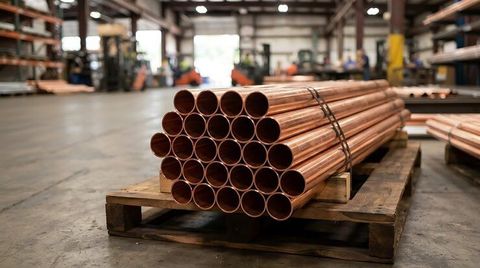
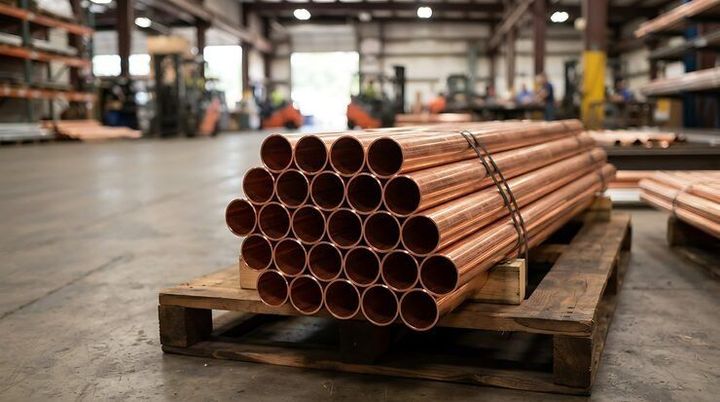
Metal tubing includes carbon steel, stainless steel, copper, aluminum, and certain nickel-based alloys. Steel is commonly associated with mechanical strength, while stainless steel provides resistance to many corrosive environments. Copper has useful thermal and electrical properties, and aluminum combines relatively low weight with useful mechanical performance.
Plastic tubing includes PVC, CPVC, polyethylene, polypropylene, polyurethane, nylon, and fluoropolymer materials. Their properties differ considerably. For example, some plastics are suited to water and drainage applications, while others are used where chemical exposure, flexibility, or temperature conditions are more demanding.
Composite tubing may use a plastic inner layer, a metal reinforcement layer, fiber reinforcement, or several bonded layers. A polyethylene-aluminum-polyethylene arrangement is one example covered by an Indian Standard for hot and cold water pressure applications.
Importance
Why material selection matters
Tubing performance depends on more than its basic material name. Pressure, temperature, chemical exposure, movement, vibration, sunlight, moisture, and installation conditions can all affect how tubing behaves over time.
For everyday water systems, the material can influence corrosion resistance, flexibility, joining methods, and temperature capability. In industrial equipment, tubing may also need to tolerate repeated pressure changes, mechanical loads, or contact with specific chemicals.
Incorrect material selection can create practical problems such as leakage, deformation, cracking, corrosion, blockage, or premature replacement. For this reason, tubing is normally selected according to the actual operating environment rather than appearance alone.
Performance factors to compare
Important factors include:
- Pressure rating: Indicates the internal pressure range a tubing design is intended to handle under specified conditions.
- Temperature range: Shows the temperatures at which the material can maintain its intended properties.
- Chemical resistance: Describes how the material reacts when exposed to liquids, gases, cleaning agents, or other substances.
- Flexibility: Indicates how easily tubing can bend without unacceptable deformation or damage.
- Impact resistance: Matters where tubing may experience drops, vibration, external contact, or sudden mechanical loads.
- Corrosion resistance: Is particularly important for metal tubing exposed to moisture, salts, or reactive environments.
- UV resistance: Matters for tubing installed outdoors or exposed to sunlight for long periods.
- Joining method: Connections may use threading, compression fittings, solvent cement, heat fusion, welding, clamps, or other methods depending on the material and application.
Material comparison
| Tubing material | Common characteristics | Typical uses |
|---|---|---|
| Stainless steel | Strength, corrosion resistance, temperature capability | Process systems, instrumentation, food-related equipment |
| Carbon steel | Mechanical strength and rigidity | Industrial systems, structural applications |
| Copper | Thermal conductivity and formability | Water systems, refrigeration, heat transfer |
| Aluminum | Low density and corrosion resistance | Transportation, air systems, equipment |
| PVC | Corrosion resistance and low weight | Water, drainage, and selected chemical systems |
| Polyethylene | Flexibility and chemical resistance | Water distribution, irrigation, utility systems |
| Polypropylene | Chemical resistance and heat capability | Water, laboratory, and process applications |
| Composite tubing | Combines properties of multiple layers | Water pressure systems and specialized applications |
The actual suitability of any material depends on its grade, dimensions, pressure, temperature, joining method, and applicable standard.
Recent Updates
Standards and material developments
From 2024 through 2026, standards activity has continued to address plastic piping systems, testing methods, and material specifications. BIS records revisions and development work involving polypropylene piping systems, thermoplastic pipe testing, and related fittings. A BIS draft from 2025 addressed polypropylene piping systems for soil and waste discharge at low and high temperatures.
BIS also records IS 4984 for polyethylene pipes for water supply, with amendments and a review recorded in 2026. This illustrates an ongoing process of reviewing technical standards as materials, testing practices, and application requirements develop.
Another area of attention is metal tubing. India introduced a quality control order covering stainless steel seamless and welded pipes and tubes for general use, with the specified implementation for welded products beginning in 2025.
Current direction
The broader direction is toward more clearly defined material specifications, testing procedures, joining requirements, and application-specific standards. There is also continued interest in multilayer and composite systems that can combine flexibility, reinforcement, and resistance to particular environments.
Environmental considerations are also influencing plastic materials and waste handling. India amended its Plastic Waste Management Rules in 2024, including changes to definitions and provisions concerning plastics and plastic-related materials.
Laws or Policies
Indian standards and compliance
In India, tubing and piping requirements can depend on the material and intended use. The Bureau of Indian Standards maintains Indian Standards covering areas such as polyethylene water-supply pipes, PVC potable-water pipes, CPVC hot- and cold-water systems, drainage products, and composite pressure pipes.
Not every Indian Standard automatically means that certification is compulsory. BIS standard records identify whether certification is voluntary, while separate government quality control orders can make specified standards mandatory for particular products. The stainless steel pipes and tubes quality control order is an example of a mandatory framework for specified products.
Environmental rules
Plastic tubing can also be affected by environmental requirements when its manufacture, packaging, use, or disposal falls within the scope of applicable waste-management rules. The Plastic Waste Management Rules and their amendments form part of India's regulatory framework for plastic waste.
Requirements can vary according to the application, material, product category, and location. For a particular installation, the applicable Indian Standard, building requirement, water authority requirement, industrial rule, or quality control order should be checked directly.
Tools and Resources
Standards databases
The BIS Know Your Standard portal allows users to search Indian Standards by IS number or keyword. It also provides access to standard documents, amendments, testing information, laboratories, and related details.
Selection references
Useful resources for understanding tubing include:
- Material compatibility charts for checking chemical exposure.
- Pressure and temperature tables supplied with technical specifications.
- Pipe and tubing size charts for comparing diameter and wall thickness.
- Engineering handbooks covering flow, pressure loss, and mechanical loading.
- Manufacturer technical datasheets for material-specific limits and joining methods.
- BIS standards and government notifications for Indian compliance requirements.
These resources are most useful when considered together because a tubing material may behave differently at different temperatures, pressures, dimensions, and exposure conditions.
FAQs
What are the main tubing materials?
The main groups are metal, plastic, and composite tubing. Metals include stainless steel, carbon steel, copper, and aluminum, while plastics include PVC, polyethylene, polypropylene, nylon, and other polymers. Composite tubing combines multiple materials or reinforcement layers.
How do metal and plastic tubing differ?
Metal tubing generally provides high mechanical strength and can tolerate many demanding temperature conditions, while plastic tubing is often lighter and naturally resistant to many forms of corrosion. The actual performance depends on the specific grade and operating environment.
What is composite tubing used for?
Composite tubing is used when a single material does not provide all the desired properties. Multilayer construction can combine flexibility, reinforcement, chemical resistance, or pressure-handling characteristics in one product.
How is tubing material selected?
Selection usually considers pressure, temperature, fluid compatibility, flexibility, mechanical loads, UV exposure, joining method, dimensions, and applicable standards. The intended use determines which factors receive the most attention.
Are tubing standards mandatory in India?
Some standards are voluntary, while specific products can be covered by compulsory quality control orders or other regulations. The applicable requirement depends on the product category and intended use, so the relevant BIS record and government notification should be checked.
Conclusion
Tubing materials include metals, plastics, and composites, with each group providing different combinations of strength, flexibility, chemical resistance, temperature capability, and weight. Performance depends on the material grade as well as pressure, temperature, dimensions, exposure conditions, and joining method. In India, BIS standards and government rules provide application-specific requirements for many tubing and piping products. Understanding these factors provides a clearer foundation for comparing tubing types and their intended uses.

You May Also Like