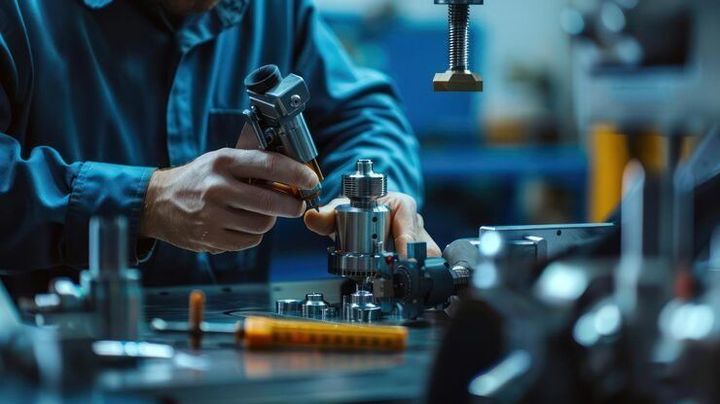
Industrial Process Tools Guide: Equipment Types, Working Principles, Uses and Key Features
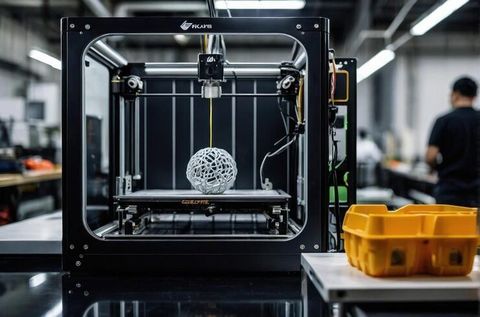
Industrial process tools are equipment and systems used to perform, control, measure, move, or monitor activities involved in manufacturing and industrial production. They can range from pumps and compressors to mixers, conveyors, heat exchangers, cutting equipment, sensors, control systems, and automated machines.
The development of industrial process tools is closely connected with the growth of factories, chemical processing, food production, metalworking, energy generation, construction materials, and other manufacturing activities. As production systems became more complex, specialized equipment was developed to handle materials, control temperatures and pressures, improve consistency, and reduce manual handling.
Today, industrial process tools can be mechanical, electrical, hydraulic, pneumatic, electronic, or software-controlled. Many modern systems combine several technologies. For example, a production machine may include motors, sensors, programmable controls, safety devices, and data-monitoring systems within one process.
How industrial process tools work
Most process equipment performs a specific physical or control function. Pumps move liquids, compressors increase gas pressure, mixers combine materials, conveyors transport items, and heat exchangers transfer heat between fluids.
Control equipment adds another layer. Sensors can measure temperature, pressure, flow, vibration, position, or other conditions. A controller can then use this information to adjust valves, motors, heaters, or other components according to defined operating parameters.
Importance
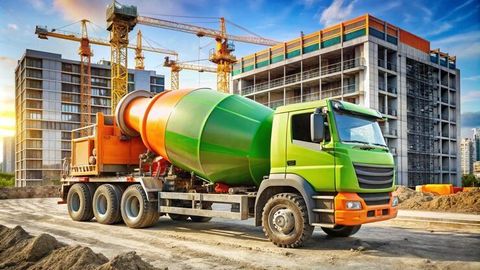
Industrial process tools matter because many everyday products depend on controlled manufacturing processes. Food, medicines, electronics, vehicles, building materials, packaging, chemicals, and household products can involve several types of process equipment before reaching their final form.
These tools also address practical industrial challenges. Consistent processing can help maintain product characteristics, while monitoring equipment can help operators identify unusual conditions. Automated movement systems can reduce repetitive manual handling, and measurement tools can provide information needed for process control.
Common industrial process tool categories
Different industries use different combinations of equipment. Common categories include:
- Material handling tools for moving raw materials, components, and finished products.
- Fluid-handling equipment such as pumps, valves, pipes, and flow-control devices.
- Thermal equipment such as boilers, furnaces, chillers, and heat exchangers.
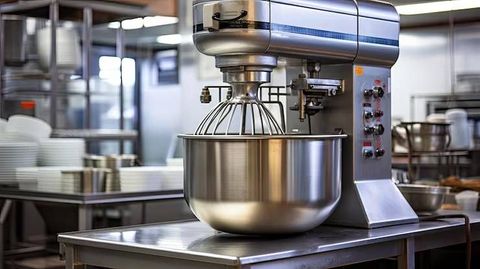
- Processing equipment such as mixers, reactors, grinders, dryers, and separators.
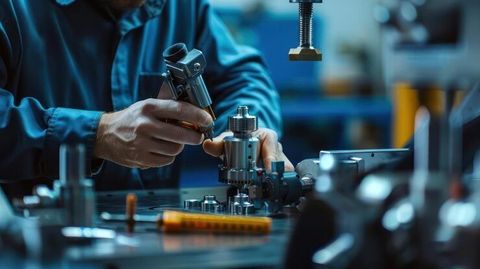
- Machine tools for cutting, forming, drilling, grinding, and shaping materials.
- Automation equipment such as sensors, programmable controllers, robotic systems, and industrial networks.
- Inspection and measurement tools for checking dimensions, pressure, temperature, vibration, and other process conditions.
The selection of equipment depends on the material being processed, operating environment, production requirements, safety conditions, and compatibility between connected machines.
Recent Updates
Industrial process tools have increasingly incorporated digital monitoring, automation, artificial intelligence, robotics, and connected sensors. India's manufacturing policy discussions during 2024–2026 have placed attention on Industry 4.0 technologies, including artificial intelligence, Internet of Things systems, digital twins, robotics, and advanced data analytics. NITI Aayog's manufacturing roadmap also identified these technologies as important elements of advanced manufacturing.
Connected monitoring and predictive maintenance
Modern equipment can collect information about operating conditions such as vibration, temperature, pressure, motor performance, and energy consumption. When connected to industrial software, this information can be reviewed over time to identify changes in equipment behavior.
Predictive maintenance is one application of this approach. Instead of relying only on fixed inspection intervals, operators can use equipment data to identify patterns that may indicate developing mechanical or electrical problems. Government discussions around industrial digitalisation in India have highlighted predictive maintenance and industrial AIoT as emerging applications.
Robotics and digital twins
Robotic arms, automated handling systems, and machine-vision technologies are increasingly being integrated into manufacturing environments. Digital twins create virtual representations of physical systems and can be used for simulation, monitoring, and process analysis.
India's SAMARTH Udyog Bharat 4.0 initiative has supported Industry 4.0 awareness, demonstration facilities, training, and technology development. Additional government initiatives during 2025 and 2026 have focused on industrial AI, automation, and advanced manufacturing capabilities.
Energy monitoring
Energy management is another area of development. Industrial facilities may monitor electricity, fuel, steam, compressed air, and other energy inputs to understand how equipment affects overall consumption.
The Bureau of Energy Efficiency's Perform, Achieve and Trade framework applies to designated energy-intensive industries. Current BEE information states that participating designated consumers may have requirements involving energy managers, energy reporting, energy audits, and specific energy consumption targets.
Laws or Policies
Industrial process equipment in India is influenced by occupational safety requirements, technical standards, environmental rules, electrical requirements, and sector-specific regulations. The exact requirements depend on the equipment, industry, location, and type of process.
Machinery safety standards
The Bureau of Indian Standards maintains standards covering different categories of machinery and industrial equipment. BIS information includes safety-related requirements for machinery, electrical equipment, pumps, compressors, metal-cutting machines, rubber and plastics machinery, and other categories.
Machinery safety standards can address subjects such as risk assessment, guarding, electrical safety, emergency controls, marking, and safe integration into larger manufacturing systems. A 2025 BIS draft concerning integrated manufacturing systems incorporated updated requirements related to risk assessment, system layout, task zones, and risk-reduction measures.
Occupational safety
The Occupational Safety, Health and Working Conditions Code, 2020 provides a national framework covering workplace health and safety matters. Its provisions include requirements concerning hazardous processes, protective equipment, emergency planning, and safety measures in specified circumstances.
The implementation framework has involved central and state rules. The Ministry of Labour and Employment published draft Central Rules for the Occupational Safety, Health and Working Conditions Code during 2025. Industrial facilities therefore need to consider the applicable central and state requirements rather than relying on equipment specifications alone.
Tools and Resources
Several resources can help readers understand industrial process tools and their operating requirements.
Standards and technical references
The BIS standards portal provides information about Indian Standards covering machinery, electrical equipment, industrial automation, and safety. Standards can help explain technical terminology and requirements associated with particular equipment categories.
Energy management resources
The Bureau of Energy Efficiency provides information about industrial energy efficiency and the Perform, Achieve and Trade framework. These resources are useful for understanding energy monitoring, designated consumers, energy managers, audits, and specific energy consumption.
Process measurement tools
Common industrial measurement tools include pressure gauges, flow meters, thermometers, thermocouples, vibration meters, tachometers, electrical meters, and weighing systems. The appropriate instrument depends on what needs to be measured and the operating conditions.
Digital monitoring platforms
Industrial monitoring platforms can collect information from sensors and controllers and display process conditions through dashboards. Depending on the installation, these systems may support alarms, historical data, equipment monitoring, production records, or energy analysis.
Basic equipment reference table
| Equipment | Main Function | Typical Principle | Common Applications |
|---|---|---|---|
| Pump | Moves liquids | Mechanical energy to fluid flow | Water, chemicals, process fluids |
| Compressor | Raises gas pressure | Mechanical compression | Air systems, refrigeration, processing |
| Heat Exchanger | Transfers heat | Thermal transfer between fluids | Cooling, heating, processing |
| Mixer | Combines materials | Mechanical agitation | Chemicals, food, materials |
| Conveyor | Moves materials | Motor-driven mechanical movement | Warehouses, factories, assembly |
| CNC Machine | Shapes materials | Computer-controlled motion | Metal and component manufacturing |
| Sensor | Measures conditions | Physical quantity converted to signal | Automation and monitoring |
| PLC | Controls processes | Programmed logic and inputs/outputs | Automated production systems |
FAQs
What are industrial process tools?
Industrial process tools are machines, equipment, instruments, and control systems used to perform or monitor manufacturing and processing activities. They can handle materials, transfer energy, measure conditions, or control production steps.
How do industrial process tools work?
Their working principles depend on their function. Pumps use mechanical energy to move liquids, compressors increase gas pressure, heat exchangers transfer thermal energy, and sensors convert physical conditions into measurable signals.
What types of industrial process equipment are commonly used?
Common types include pumps, compressors, mixers, conveyors, heat exchangers, boilers, industrial furnaces, machine tools, sensors, programmable controllers, and automated handling systems. The equipment used depends on the specific manufacturing process.
What is the role of automation in industrial process tools?
Automation allows machines and control systems to perform defined operations with limited manual intervention. Sensors, controllers, industrial networks, robotics, and software can work together to monitor and control different process stages.
Why are machinery safety standards important?
Machinery safety standards provide technical guidance for reducing risks associated with equipment design, operation, electrical systems, guarding, controls, and integration. Applicable requirements vary according to the equipment and operating environment.
Conclusion
Industrial process tools include a wide range of equipment used to move materials, control processes, transfer energy, perform manufacturing operations, and monitor industrial conditions. Their development has increasingly incorporated automation, connected sensors, robotics, artificial intelligence, digital twins, and energy monitoring. In India, machinery safety standards and occupational safety frameworks provide important considerations for industrial equipment and workplaces. Understanding the basic working principles and applications of different equipment types helps explain how modern industrial processes operate.