Heat Transfer Printing Machines Guide: Printing Methods, Materials, Features and Applications
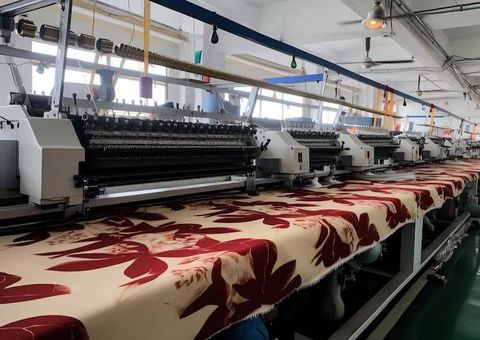
Heat transfer printing machines are equipment used to apply printed designs, graphics, numbers, or lettering to fabrics and other suitable surfaces. A heat transfer process normally uses controlled heat, pressure, and time to move an image from a transfer medium onto a substrate. The method developed alongside improvements in textile decoration and digital printing, making it possible to reproduce detailed designs without directly printing ink onto every finished item.
Context
What Heat Transfer Printing Means
Heat transfer printing is a decoration method in which an image or design is prepared on a transfer material and then applied to another surface. The receiving surface may include cotton fabric, polyester, blended textiles, coated materials, or certain rigid items, depending on the transfer type and machine settings.
A typical heat transfer printing machine contains a heated platen or similar heating surface, a pressure mechanism, and controls for temperature, pressing time, and sometimes pressure. When the transfer and substrate are positioned correctly, heat activates the transfer layer while pressure helps it contact the receiving surface.
How the Process Developed
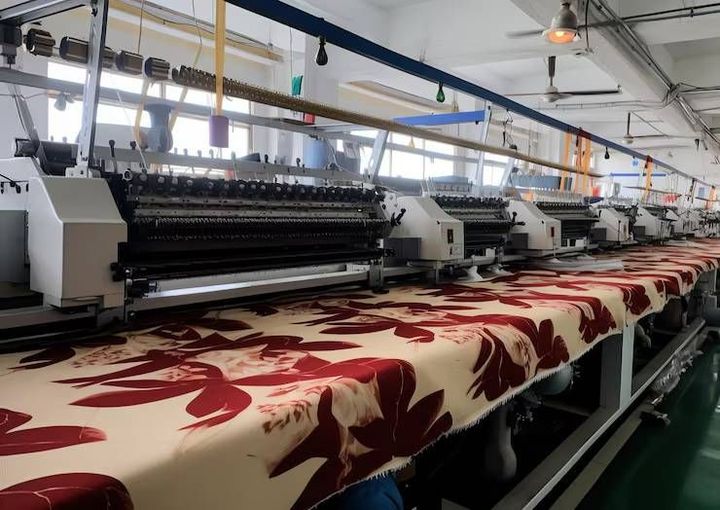
Traditional textile decoration used methods such as screen printing, embroidery, and direct dyeing. Heat transfer methods became another approach as transfer papers, films, heat-sensitive inks, and digital printers developed. Modern systems can range from compact manual presses to larger automated equipment used in production environments.
The basic workflow is generally straightforward: prepare the artwork, print or cut the transfer, position it on the material, apply heat and pressure, allow the transfer to cool or peel according to its specifications, and inspect the finished surface. Different transfer technologies require different procedures.
Importance
Why These Machines Matter
Heat transfer printing machines are useful when a design needs to be placed accurately on a selected surface. They are used for garments, sportswear, workwear, bags, promotional textiles, labels, decorative fabrics, and some specialty products.
The process can also help address practical printing challenges. Designs can be prepared digitally, transferred to specific areas, and adjusted for different materials. However, the result depends on factors such as substrate composition, transfer material, temperature, pressure, dwell time, and surface preparation.
Common Applications
Heat transfer printing has applications across several areas:
- Apparel decoration: Shirts, jackets, uniforms, sportswear, and other garments can receive names, numbers, graphics, or patterns.
- Textile labeling: Transfers can be used for care information, size markings, and identification details when the material is compatible.
- Bags and fabric goods: Certain polyester, cotton, and blended fabrics can accept heat-applied graphics.
- Industrial identification: Some suitable films and materials are used for markings on textile products and equipment-related items.
- Decorative products: Heat transfer methods can be adapted to selected coated rigid surfaces when the transfer system is designed for that application.
Recent Updates
Digital Transfer Workflows
From 2024 through 2026, heat transfer printing has continued to move toward digitally prepared artwork, improved transfer media, and more precise process controls. Direct-to-film workflows have received attention because they can separate image preparation from the final fabric application step. In this approach, an image is printed onto a film with suitable inks and adhesive powder, then transferred to the textile with a heat press.
Automation and digital controls are also becoming more common. Temperature displays, programmable pressing times, pressure adjustment, and production monitoring can make the process more repeatable. These features do not remove the need to match settings with the transfer material instructions and the substrate.
Materials and Energy Considerations
Manufacturers and users are also paying attention to transfer films, inks, adhesives, and heating systems. Lower-temperature transfer options, improved curing processes, and more efficient heating designs can reduce the amount of heat or processing time required in particular workflows. Actual energy use varies by machine design, operating temperature, press duration, workload, and electrical supply.
Another trend is greater compatibility with synthetic and blended fabrics. This has encouraged development of transfer materials designed for different textile surfaces, although every combination still needs appropriate testing.
Laws or Policies
Rules in India
In India, heat transfer printing machines can be affected by general electrical safety, workplace safety, environmental, and product-labeling requirements rather than by one single rule covering every machine. Requirements can differ according to the machine type, workplace, electrical installation, materials used, and whether the equipment is imported or manufactured domestically.
Electrical installations should follow applicable Indian requirements, and workplaces are generally expected to manage risks from hot surfaces, electrical equipment, moving parts, and other hazards. Operators should also follow applicable occupational safety requirements and equipment instructions.
Textile products can be subject to labeling and consumer-information requirements. The exact requirements depend on the product category and how it is manufactured, packaged, or distributed. Businesses using heat transfer printing should check current requirements from relevant Indian authorities and applicable standards before putting products into the market.
Environmental rules may also become relevant when printing involves inks, solvents, adhesive powders, waste materials, or emissions. The applicable requirements depend on the process and facility. Official information from bodies such as the Bureau of Indian Standards, the Ministry of Environment, Forest and Climate Change, and state pollution control authorities can help identify relevant requirements.
Tools and Resources
Design and Preparation Tools
Artwork is commonly prepared with graphic design or image-editing software. Vector files are useful for logos, lettering, and shapes because they can be resized while maintaining clear edges. Raster images may be suitable for photographs and detailed graphics when they have sufficient resolution.
Machine and Material References
Machine manuals, transfer-material technical sheets, temperature guides, and substrate specifications are important references. They can provide information about recommended temperature ranges, pressing times, pressure settings, peel conditions, storage, and compatibility.
Useful Measurements
Several basic measurements help explain the printing process:
| Parameter | What it describes | Why it matters |
|---|---|---|
| Temperature | Heat applied during pressing | Affects transfer activation and substrate response |
| Pressure | Force applied to the transfer | Influences contact between layers |
| Dwell time | Length of the pressing cycle | Affects how long heat reaches the transfer |
| Transfer size | Area covered by the design | Determines placement and usable press area |
| Substrate type | Material receiving the design | Influences compatible transfer methods |
A temperature probe or machine calibration procedure can also help identify whether the displayed temperature is close to the actual platen temperature. This can matter when consistent results are required.
FAQs
What is a heat transfer printing machine?
A heat transfer printing machine is equipment that uses controlled heat and pressure to apply a prepared transfer to a compatible surface. Common applications include textile decoration and garment marking.
Which materials can be used with heat transfer printing machines?
Compatible materials may include cotton, polyester, blended fabrics, and selected coated surfaces. Compatibility depends on the transfer technology, substrate construction, surface coating, and recommended process settings.
What are the main heat transfer printing methods?
Common methods include heat transfer vinyl, printed transfer paper, sublimation, and direct-to-film transfer. Each method uses different materials and has different compatibility, appearance, durability, and process requirements.
How do temperature and pressure affect heat transfer printing?
Temperature activates the transfer system, while pressure helps establish contact between the transfer and substrate. Excessive or insufficient heat or pressure can affect adhesion, appearance, or the substrate, so settings should follow the applicable technical instructions.
What should be checked before using a heat transfer printing machine?
The operator should check the machine condition, electrical connections, platen temperature, pressure mechanism, transfer compatibility, substrate type, and recommended process settings. A small test can help identify problems before a larger production run.
Conclusion
Heat transfer printing machines use controlled heat and pressure to apply prepared designs to compatible textiles and other surfaces. Different methods, including vinyl, sublimation, printed transfers, and direct-to-film workflows, suit different materials and applications. Machine settings, transfer materials, substrate properties, and workplace practices all influence the final result. In India, applicable electrical, workplace, environmental, and labeling requirements depend on the equipment and printing process.