3D Metal Printers Guide: Technologies, Metal Materials, Working Process, Uses and Benefits
3D metal printers are machines that create metal parts by adding material layer by layer. Unlike conventional methods that remove material through cutting or drilling, metal additive manufacturing builds a component from metal powder, wire, or other feedstock. This guide explains the technologies, metal materials, working process, uses, benefits, recent developments, and rules that can affect their use in India.
Context
What Are 3D Metal Printers?
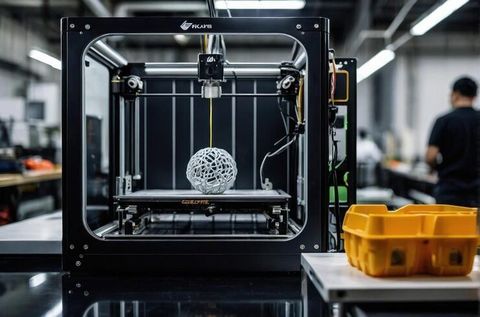
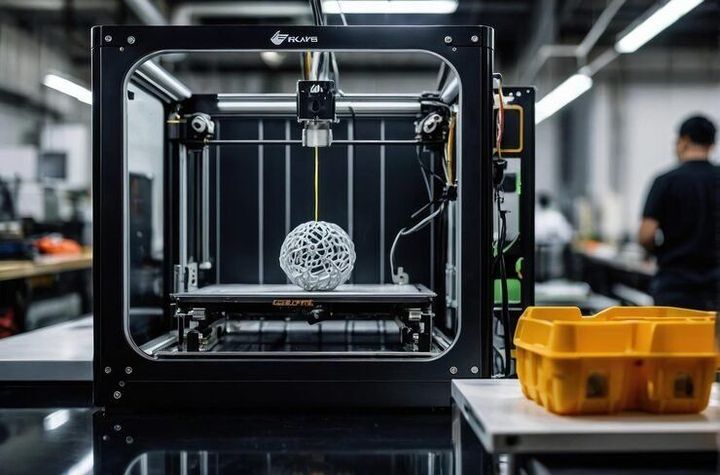
A 3D metal printer converts a computer-aided design (CAD) model into a physical component. The printer follows digital instructions to form layers until the planned geometry is complete. Heat may come from a laser, electron beam, plasma source, or another energy system.
Metal 3D printing is an additive manufacturing process that builds objects rather than starting with a solid block and removing material. The technology grew from rapid prototyping and advanced manufacturing research and has expanded into tools, industrial components, aerospace structures, medical devices, and other engineered parts.
Why Metal Printing Developed
Some shapes are difficult to produce conventionally when they contain internal channels, lattice structures, or several integrated features. Metal additive manufacturing can create such geometries in suitable applications.
Importance
Why Metal 3D Printing Matters
3D metal printers expand the range of shapes engineers can produce while connecting design data directly with manufacturing equipment. They can be useful for complex internal passages, customized geometry, or structures designed to reduce unnecessary material.
Benefits and Challenges
Key benefits include:
- Complex geometry: Suitable processes can create internal channels, lattice structures, and curved shapes.
- Design flexibility: Digital models can be modified without changing a physical mold or pattern.
- Material placement: Material can be added mainly where the design requires it.
- Part consolidation: Several functions may sometimes be integrated into one component.
- Repair and modification: Directed energy deposition can add material to selected areas of an existing component.
- Digital workflow: Design, process planning, monitoring, and inspection can be connected through digital manufacturing systems.
Challenges include high temperatures, reactive powders, residual stresses, support structures, surface roughness, and post-processing. Consistent results require controlled materials, calibrated equipment, suitable parameters, and inspection.
Recent Updates
Developments from 2024–2026
Recent research has focused on process monitoring, material understanding, automation, and defect control. NIST research has examined melt-pool behavior, laser absorption, porosity, and optical methods for observing laser interactions during printing.
Material research continues across aluminum, titanium, steel, nickel, and other alloys. In 2025, NIST reported research into quasicrystals in a 3D-printed aluminum alloy, illustrating continued work on material structures and mechanical performance.
In India, the Technology Development Board opened a 2025 call focused on metal and ceramic 3D printing ecosystem technologies, including printers, components, feedstock, and printed products. In 2026, the National Additive Manufacturing Symposium brought government, research, industry, and technology stakeholders together to discuss additive manufacturing development.
Main 3D Metal Printer Technologies
Powder Bed Fusion
Powder bed fusion spreads a thin layer of metal powder across a build area and uses an energy source to selectively melt or fuse regions. Laser powder bed fusion is widely studied for detailed metal components. Electron beam powder bed fusion uses an electron beam and has different material and process conditions.
Directed Energy Deposition
Directed energy deposition, or DED, feeds metal powder or wire toward an energy source while material is deposited onto a surface. It can create new structures, add material to existing components, or repair selected areas. NIST research describes how laser power, shielding gas, powder flow, and other conditions influence DED behavior.
Binder Jetting
Metal binder jetting deposits a liquid binder onto layers of metal powder to form a shaped part. The printed part generally requires later processing, such as debinding and sintering, to develop its final structure. It differs from processes that melt metal directly during printing.
Material Extrusion
Some metal additive manufacturing systems use feedstock containing metal powder combined with a binder. The shaped part is printed first and then processed to remove the binder and consolidate the metal. This method has different equipment and handling requirements from laser-based powder systems.
Metal Materials Used in 3D Printing
The material selected for a 3D metal printer depends on the process, design, mechanical requirements, temperature conditions, and intended application.
| Metal material | General characteristics | Common application areas |
|---|---|---|
| Stainless steel | Corrosion resistance and useful mechanical properties | Industrial parts, tooling, prototypes |
| Aluminum alloys | Low density and useful strength-to-weight characteristics | Automotive, aerospace, lightweight structures |
| Titanium alloys | High strength-to-weight characteristics and corrosion resistance | Aerospace, medical components |
| Nickel alloys | High-temperature and corrosion-related performance | Turbomachinery, energy, aerospace |
| Tool steels | Hardness and wear resistance after suitable processing | Tooling, molds, dies |
| Cobalt-chrome alloys | Wear and corrosion resistance | Medical and specialized engineering parts |
Working Process
From Digital Model to Metal Part
The typical workflow contains several stages. First, an engineer creates or prepares a 3D CAD model. The design is checked for printable geometry, support requirements, wall thickness, overhangs, and other process limitations.
Next, slicing or process-planning software divides the model into layers and creates machine instructions. The printer then deposits or selectively processes material layer by layer. Sensors may monitor temperature, melt-pool behavior, powder conditions, or other signals depending on the equipment.
After printing, the component may require powder removal, support removal, heat treatment, machining, surface finishing, cleaning, or inspection. Some applications also require dimensional measurement or mechanical testing.
Uses of 3D Metal Printers
Aerospace and Space Systems
Metal additive manufacturing is used in research and production of aerospace components where complex geometry, weight management, and material performance are important. NASA has investigated additively manufactured propulsion hardware and metal alloys for space-related applications.
Automotive and Industrial Manufacturing
Applications include prototypes, tooling, heat-transfer components, brackets, fixtures, and selected production parts.
Medical and Dental Components
Metal additive manufacturing can create patient-specific or application-specific geometries when material, design, inspection, and regulatory requirements are satisfied. Titanium and cobalt-chrome alloys are among the materials studied for medical applications.
Energy and Engineering
Heat exchangers, fluid-handling components, combustion-related parts, and other engineered structures can use additive manufacturing when internal geometry provides a technical advantage.
Tools and Resources
NIST provides research information on metal additive manufacturing, measurement, process monitoring, and materials. The Bureau of Indian Standards provides a searchable standards portal for Indian Standards and related conformity information. Government of India publications on additive manufacturing provide information about national programs and ecosystem development.
Technical resources include CAD software, slicing or build-preparation software, simulation tools, material datasheets, inspection equipment, and additive manufacturing process databases.
Laws or Policies
India’s regulatory context for 3D metal printing combines manufacturing rules, workplace safety requirements, standards, product-specific regulations, and sector-specific requirements. India released a National Strategy on Additive Manufacturing to support domestic capabilities in machines, materials, software, research, and related applications.
The Bureau of Indian Standards maintains Indian Standards and provides a system for checking whether a product is covered by a relevant standard or mandatory conformity requirement. BIS states that certification is generally voluntary unless the government makes compliance compulsory for a particular product through applicable rules or orders.
Workplace safety is important when metal powders, lasers, high temperatures, gases, or other industrial hazards are involved. India’s Occupational Safety, Health and Working Conditions Code addresses dangerous operations and includes provisions concerning protective equipment, health and safety measures, hazard disclosure, and emergency planning for factories involving hazardous processes.
Requirements can vary by product and application. A 3D printed medical component, aerospace component, industrial machine part, or consumer product may therefore have different technical and regulatory requirements.
FAQs
What are 3D metal printers used for?
3D metal printers are used for prototypes, tooling, industrial components, aerospace parts, medical and dental components, repair work, and specialized engineering applications. Suitable use depends on the printer technology, material, design, and inspection requirements.
How do 3D metal printers work?
Most 3D metal printers build a part layer by layer from a digital model. Depending on the technology, metal powder or wire is melted, fused, deposited, or bound and then processed into a component.
What metal materials can a 3D metal printer use?
Common materials include stainless steel, aluminum alloys, titanium alloys, nickel alloys, tool steels, and cobalt-chrome alloys. Material compatibility depends on the printer and manufacturing process.
What is the difference between metal 3D printing and machining?
Metal 3D printing is an additive process that builds material into a shape, while machining generally removes material from a larger workpiece. Each method has different capabilities, limitations, tolerances, and finishing requirements.
Are 3D metal printers regulated in India?
The applicable requirements depend on the machine, workplace, material, product, and industry. Indian Standards, workplace safety rules, product-specific conformity requirements, and sector regulations may apply to particular applications.
Conclusion
3D metal printers use additive manufacturing methods to create metal components layer by layer from designs. Major technologies include powder bed fusion, directed energy deposition, binder jetting, and metal material extrusion, with different materials and process conditions suited to different applications. Recent developments have focused on monitoring, materials, automation, and process control, while India continues to develop its additive manufacturing ecosystem. The final performance of a printed component depends on its design, material, printing process, post-processing, and inspection.