Ocean Cleanup Robots Guide: Designs, Working Principles, Capabilities and Environmental Applications
Ocean cleanup robots are machines or robotic systems designed to collect, separate, monitor, or help manage waste in oceans, rivers, harbors, lakes, and coastal areas. Ocean cleanup robots can range from small floating devices that gather surface litter to larger autonomous systems that use barriers, conveyors, sensors, cameras, and remote monitoring.
Context
Ocean cleanup robots are machines or robotic systems designed to collect, separate, monitor, or help manage waste in oceans, rivers, harbors, lakes, and coastal areas. Ocean cleanup robots can range from small floating devices that gather surface litter to larger autonomous systems that use barriers, conveyors, sensors, cameras, and remote monitoring.
The idea comes from a growing need to manage marine debris that reaches waterways from cities, drainage systems, rivers, fishing activities, shipping areas, and coastal communities. Some systems focus on waste that is already floating in water, while others are designed to intercept debris before it reaches the ocean.
How Ocean Cleanup Robots Developed
Early water-cleaning machines generally relied on people operating boats, nets, booms, or collection equipment. As robotics, batteries, solar power, sensors, satellite positioning, and wireless communication developed, designers began combining these technologies into more automated systems.
Modern designs can use floating barriers to guide debris toward a collection point. Conveyors, baskets, pumps, or mechanical arms can then move the material into containers. Some systems use cameras and software to identify objects or monitor collection areas, while others use remote controls rather than operating independently.
Ocean cleanup technology also includes river interception systems. These systems are important because rivers can carry land-based waste toward coastal waters. For example, river interception systems have used solar power, floating barriers, conveyors, containers, and remote monitoring to collect floating debris before it reaches the sea.
Main Types of Cleanup Systems
Different environments require different designs. Common categories include:
- Floating surface collectors, which gather lightweight debris from the water surface.
- Barrier-based systems, which guide floating material toward a collection point.
- Autonomous or semi-autonomous vessels, which move through a defined area and collect floating debris.
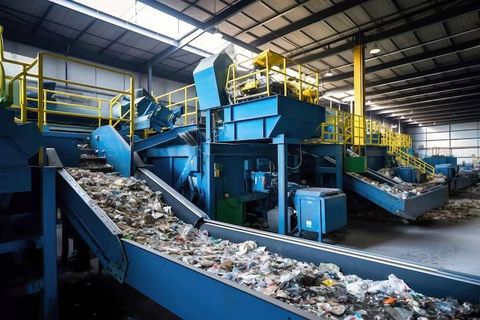
- Conveyor-based systems, which lift waste from water into containers.
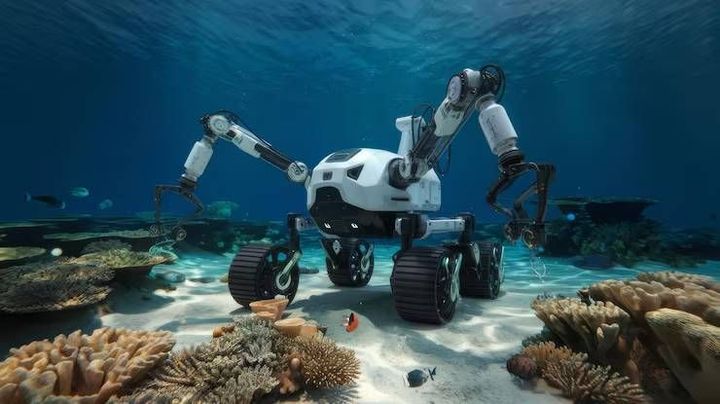
- Remote-operated underwater systems, which can inspect or collect material below the surface.
- Monitoring robots and drones, which locate debris and create information that can guide cleanup activities.
The term “robot” therefore covers a broad group of technologies. Not every system is completely autonomous, and many still require people for supervision, transportation, sorting, maintenance, or final waste handling.
Importance
Marine debris affects beaches, rivers, ports, fisheries, tourism areas, wildlife, and communities located near waterways. Plastic items can remain in the environment for long periods and can break into smaller fragments that are more difficult to locate and collect.
Cleanup robots address one part of this problem by helping identify or physically remove floating debris. Their role is particularly relevant in places where waste collects repeatedly, such as river mouths, drainage channels, sheltered harbors, and areas affected by currents and wind.
Environmental Applications
Ocean cleanup robots can be used for several environmental purposes. Floating systems can collect bottles, containers, packaging fragments, fishing-related debris, and other material that remains near the water surface.
River systems can intercept waste before it reaches coastal waters. The Ocean Cleanup, for example, has developed several types of river interception technology because river width, water depth, flow speed, debris levels, tides, and seasonal conditions differ between locations.
Robotic systems can also support environmental monitoring. Cameras, sensors, and unmanned aerial systems can help researchers locate debris and measure where it accumulates. NOAA has been developing methods that combine aerial imagery and machine learning to identify marine debris and help plan cleanup activities.
Why Automation Matters
Automation can reduce the amount of continuous manual monitoring required at a collection point. A system may detect when a container is filling, transmit operational information, or follow a planned route.
However, automation does not eliminate human involvement. People may still be needed to inspect equipment, remove collected material, manage navigation in busy waterways, repair components, and determine how different types of waste should be handled.
Recent Updates
From 2024 through 2026, the development of marine cleanup technology has increasingly focused on adapting systems to different environments rather than relying on one design for every location. This includes greater use of sensors, data collection, remote monitoring, autonomous navigation, and combinations of barriers and collection equipment.
More Specialized Designs
Recent projects show a shift toward families of cleanup systems designed for particular conditions. River installations may use conventional floating collection systems in one location, while shallow waterways, narrow channels, or areas with heavy seasonal debris may require different arrangements.
In 2024, an Interceptor system was deployed in Bangkok's Chao Phraya River. The system was designed to collect floating waste while researchers studied the composition and movement of plastic in the river.
Weather and changing water conditions have also influenced equipment design. A river cleanup project in Indonesia required modifications after heavy rainfall caused unusually large amounts of debris to accumulate. Additional barriers and changes to the collection arrangement were subsequently introduced to handle heavy seasonal loads.
Growth of Data-Based Cleanup
Data is becoming an important part of marine debris management. Instead of simply collecting waste, newer projects can record information about where debris appears, how it moves, what materials are collected, and how environmental conditions affect collection.
Artificial intelligence and computer vision are also being explored for identifying objects in water and underwater environments. NOAA research has included artificial intelligence with remotely operated and autonomous underwater vehicles for real-time identification tasks, showing how robotic sensing is expanding beyond surface cleanup.
The broader trend through 2026 is toward combining physical collection with monitoring, mapping, environmental data, and adaptive system design.
Common Design Comparison
| System type | Main location | Typical collection method | Human involvement |
|---|---|---|---|
| Floating collector | Harbors, lakes, coastal water | Basket, conveyor, or intake | Monitoring and unloading |
| Barrier system | Rivers and channels | Guides debris toward collection area | Collection and inspection |
| Autonomous vessel | Open or sheltered water | Mechanical collection equipment | Remote supervision |
| Underwater robot | Below the surface | Gripper, suction, or specialized tool | Usually supervised |
| Aerial drone | Coastlines and waterways | Imaging and mapping | Analysis and mission control |
Laws or Policies
For readers in India, ocean cleanup robots operate within a wider environmental framework covering plastic waste, solid waste, water pollution, coastal environments, and waste handling. A robot collecting debris does not replace the legal responsibilities associated with sorting, transporting, processing, or disposing of the material afterward.
Plastic Waste Management Rules
India's Plastic Waste Management Rules, 2016 have been amended several times. A further amendment was notified in 2024, updating definitions and other provisions under the plastic-waste framework.
Extended Producer Responsibility, commonly called EPR, is another important part of India's plastic-waste framework. The Central Pollution Control Board maintains a centralized EPR system for relevant producers, importers, brand owners, and plastic-waste processors.
These rules primarily concern management of plastic waste rather than prescribing a particular type of cleanup robot. A robotic collection system can therefore be one part of a wider waste-management process.
Waste Handling and Environmental Compliance
Collected marine debris may contain different materials, including plastics, fishing equipment, organic matter, metals, and other objects. Depending on the location and material, handling may involve municipal authorities, state pollution-control authorities, port authorities, coastal agencies, or other relevant bodies.
India has also continued updating broader waste-management rules and environmental regulations. The Ministry of Environment, Forest and Climate Change maintains official records of current rules and notifications, making government sources useful when checking requirements for a specific project.
Tools and Resources
Several resources can help readers understand ocean cleanup robots, marine debris, and related environmental policies.
Government and Research Resources
The Central Pollution Control Board provides information about plastic-waste rules, EPR systems, technical guidance, and waste-management resources. Its online material can help readers understand the regulatory side of plastic collection and processing in India.
NOAA's Marine Debris Program provides research and educational material about marine debris detection, monitoring, mapping, and removal. Its work on uncrewed aerial systems also demonstrates how imagery and machine learning can support debris assessment.
The United Nations Environment Programme provides information about marine litter, plastic pollution, and international environmental initiatives. Such resources can help explain why waste prevention, collection, recycling, and improved waste management are considered together.
Practical Technology Resources
Useful tools for studying an ocean cleanup robot may include:
- GPS and navigation systems for route tracking.
- Cameras for surface and underwater observation.
- Water-quality sensors for environmental monitoring.
- Remote dashboards for equipment status.
- Geographic information systems for mapping debris locations.
- Data tables for recording debris type, quantity, location, and collection conditions.
- Image-analysis software for identifying and classifying visible waste.
These tools are often combined rather than used individually. For example, a floating robot may use GPS for navigation, cameras for observation, sensors for operating conditions, and a remote dashboard for status information.
FAQs
What are ocean cleanup robots?
Ocean cleanup robots are machines designed to collect, detect, monitor, or help manage debris in oceans and other waterways. Some operate autonomously, while others require remote control or direct human supervision.
How do ocean cleanup robots work?
Most systems use a combination of movement, barriers, collection mechanisms, sensors, and containers. A floating system may guide debris toward a conveyor or basket, while an autonomous vessel may navigate a planned area and collect surface waste.
Can ocean cleanup robots remove plastic from rivers?
Yes. River-based systems can use floating barriers and collection mechanisms to capture plastic and other floating debris before it reaches coastal waters. The design must account for river width, depth, flow speed, tides, weather, and the type of debris present.
Are ocean cleanup robots fully autonomous?
Not always. Some systems can navigate or collect debris automatically, but people may still supervise operations, inspect equipment, remove collected material, manage unexpected conditions, and handle waste after collection.
What role does AI play in ocean cleanup robots?
AI can help with image analysis, object recognition, navigation, environmental monitoring, and data interpretation. Research programs are exploring AI-assisted underwater vehicles and machine-learning systems for detecting marine debris and other objects.
Conclusion
Ocean cleanup robots combine mechanical collection equipment with technologies such as sensors, navigation systems, cameras, automation, and remote monitoring. Their applications range from collecting floating debris to intercepting waste in rivers and supporting marine-debris surveys. Recent developments from 2024 through 2026 show greater emphasis on specialized designs, data-based monitoring, and adaptation to local water conditions. In India, these technologies operate within a broader framework of plastic-waste, solid-waste, and environmental regulations.