Material Recycling Plants Guide: Systems, Processing Methods, Equipment and Key Considerations
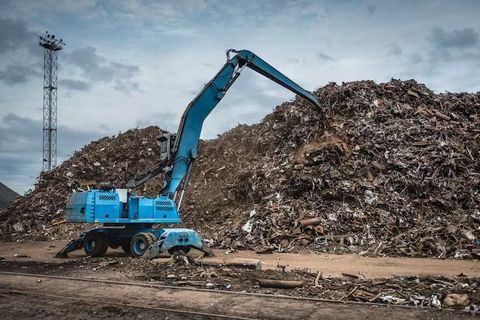
Material recycling plants are organized facilities where discarded materials are received, separated, processed, and prepared for another use. A material recycling plant may handle paper, cardboard, plastics, glass, metals, or mixed dry waste, depending on its design. These plants exist because many discarded materials still contain useful physical properties and can be separated from mixed waste through controlled processes.
The idea of material recovery developed alongside modern waste collection and industrial processing. As cities expanded and consumption increased, communities needed ways to handle larger quantities of discarded material. Recycling plants became part of a wider waste management system that includes collection, sorting, recovery, treatment, and final disposal.
Context
What a Material Recycling Plant Does
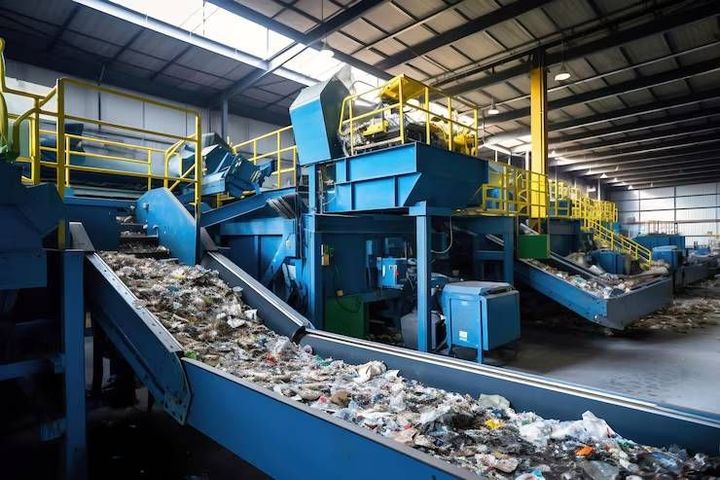
A material recycling plant generally follows a sequence of activities. Incoming material is weighed or recorded, inspected, unloaded, and moved into a sorting area. Equipment and workers then separate materials into different streams based on size, shape, weight, magnetic properties, optical characteristics, or material type.
A typical material recycling system may include:
- Receiving and inspection areas for incoming waste.
- Conveyors for controlled movement between processing stages.
- Screens that separate materials by size.
- Magnetic separators for ferrous metals.
- Eddy-current separators for certain non-ferrous metals.
- Optical sorting equipment for selected plastic and paper streams.
- Crushers, shredders, balers, compactors, or granulators where appropriate.
- Storage areas for recovered materials and residual waste.
The exact arrangement depends on the material entering the plant. A facility designed for construction debris can differ significantly from a plant handling household packaging or electronic components.
Common Processing Methods
Sorting is often followed by physical processing. Paper and cardboard can be separated, graded, and baled. Glass may be screened and crushed before being separated by size and color. Metals can be sorted according to magnetic and physical properties. Plastics may be identified by resin type or color and then shredded, washed, dried, or pelletized when the process requires it.
Some plants also use manual quality checks. Human inspection can help identify unwanted items that automated equipment does not classify correctly. The recovered material is then prepared for movement to another manufacturing or processing stage.
Importance
Why Recycling Plants Matter
Material recycling plants help create a structured path between discarded products and recovered materials. They can reduce the quantity of recyclable material mixed with residual waste and can make separated material easier to handle.
The topic affects households, businesses, municipalities, manufacturers, construction activities, and waste workers. The quality of material entering a plant can influence the amount that can be recovered. Contamination, mixed materials, moisture, and incorrect disposal can make processing more difficult.
Recycling also has a resource-management dimension. Recovering metals, glass, paper fibers, and suitable plastics can reduce the need to obtain all material inputs from newly extracted resources. The environmental effect varies by material, processing method, energy use, transport, and the quality of the recovered output.
Key Challenges
Several practical challenges influence recycling plant performance:
- Material contamination can reduce the usability of recovered streams.
- Mixed or wet waste can make mechanical separation more difficult.
- Equipment needs regular inspection and maintenance.
- Dust, noise, moving machinery, and sharp objects require controlled working conditions.
- Recovered materials need suitable storage to prevent further contamination.
- Residual material still requires appropriate treatment or disposal.
A recycling plant is therefore not simply a collection point. It is a processing system in which input quality, equipment arrangement, operating controls, and material handling all interact.
Recent Updates
Changes in India
India has continued to strengthen the regulatory framework around waste segregation, material recovery, and extended producer responsibility. The Plastic Waste Management Rules have been amended in recent years, including changes issued in 2024, while separate frameworks cover electronic waste and batteries.
A major recent development is the Solid Waste Management Rules, 2026. The rules were notified in January 2026 and took effect from April 2026, replacing the earlier 2016 framework for the areas covered by the new rules. They apply across urban and rural local bodies and address segregation, collection, processing, recovery, and safe disposal of solid waste.
The rules also distinguish ordinary solid waste from streams governed by separate rules, including industrial waste, hazardous waste, electronic waste, battery waste, biomedical waste, and radioactive waste. This means a material recycling plant must identify the waste category it handles before selecting its processing and compliance framework.
Construction and demolition waste has also received a dedicated regulatory framework. The Construction and Demolition Waste Management Rules, 2025 establish requirements for registration, recycling targets, reporting, and digital tracking through the Central Pollution Control Board system.
Technology Trends
Recent recycling systems increasingly combine mechanical separation with sensors, optical identification, digital monitoring, and automated material handling. These technologies can help classify selected material streams, while manual inspection remains relevant for quality control and unusual items.
Another trend is greater attention to traceability. Digital records can connect incoming material, processing quantities, recovered outputs, and regulatory reporting. For specialized streams such as e-waste, batteries, plastic packaging, and construction debris, digital compliance platforms are becoming an important part of the broader recycling system.
Laws or Policies
Solid Waste Rules
In India, the Solid Waste Management Rules, 2026 provide a national framework for solid waste management. The framework covers urban and rural local bodies and includes requirements related to segregation, collection, processing, recovery, and disposal.
Facilities handling solid waste may also be subject to permissions or authorizations from the relevant pollution control authority and local administration, depending on the activity and waste category. Requirements can vary by state and by the type and capacity of the facility.
Extended Producer Responsibility
Extended Producer Responsibility, commonly called EPR, places defined responsibilities on producers for certain waste streams. Plastic packaging, electronic products, batteries, tyres, and some other categories have dedicated regulatory systems.
For example, India's E-Waste Management Rules, 2022 use an EPR framework and require specified producers to meet recycling obligations through registered recyclers. Battery waste is governed through a separate EPR system, while plastic waste has its own rules and registration mechanisms.
For a material recycling plant, the applicable rule depends on what it receives and processes. A facility handling mixed municipal dry waste should not assume that the same requirements apply to a plant processing batteries, electronic equipment, tyres, or hazardous materials.
Tools and Resources
Government Platforms
Several official platforms can help readers understand current requirements and reporting systems in India. The Central Pollution Control Board provides portals and guidance for solid waste, plastic waste, e-waste, battery waste, tyres, and construction and demolition waste.
Useful resources include:
- Central Pollution Control Board guidance and regulatory portals.
- Ministry of Environment, Forest and Climate Change rules and notifications.
- EPR registration and reporting platforms for specific waste categories.
- State Pollution Control Board websites for state-level requirements.
- Technical manuals covering waste characterization, sorting, and processing.
Planning and Monitoring Tools
A material recycling plant may use simple operational tools such as material flow records, contamination logs, equipment inspection checklists, weighing records, storage registers, and maintenance schedules. A process-flow diagram can also help readers understand how material moves from receiving to sorting, processing, storage, and final dispatch.
For capacity planning, a basic material balance can compare the amount entering a plant with the quantities recovered as paper, plastic, glass, metal, organic material, and residual waste. Such records help identify where material is being lost or where contamination is increasing.
FAQs
What is a material recycling plant?
A material recycling plant is a facility that receives discarded materials and processes them into separated material streams. Depending on its design, it may handle paper, plastics, metals, glass, construction debris, or other defined waste categories.
How does a material recycling system work?
A typical material recycling system starts with receiving and inspection, followed by sorting and separation. Depending on the material, later stages may include shredding, crushing, washing, drying, baling, granulation, or other physical processing.
What equipment is used in material recycling plants?
Common equipment includes conveyors, screens, magnetic separators, eddy-current separators, optical sorters, shredders, crushers, balers, compactors, and storage systems. The equipment selected depends on the waste type and required output.
What laws apply to material recycling plants in India?
The applicable rules depend on the waste stream. The Solid Waste Management Rules, 2026 cover solid waste within their scope, while separate rules address plastic waste, e-waste, batteries, tyres, construction and demolition waste, and hazardous waste.
Why is waste segregation important for recycling?
Segregation keeps different materials apart before they become heavily contaminated. Cleaner and more clearly separated inputs generally make sorting and processing easier, although the actual recovery level depends on the material, plant design, and operating conditions.
Conclusion
Material recycling plants connect waste collection with the recovery and processing of usable materials. Their systems can combine conveyors, screens, separators, optical equipment, and material-processing machines according to the waste stream being handled. In India, recent regulatory changes have increased attention to segregation, producer responsibility, digital reporting, and specialized waste categories. Understanding the processing methods, equipment, and applicable rules helps explain how modern material recovery systems operate.