Industrial Power Systems Guide: Equipment, Distribution Methods, Applications and Key Features
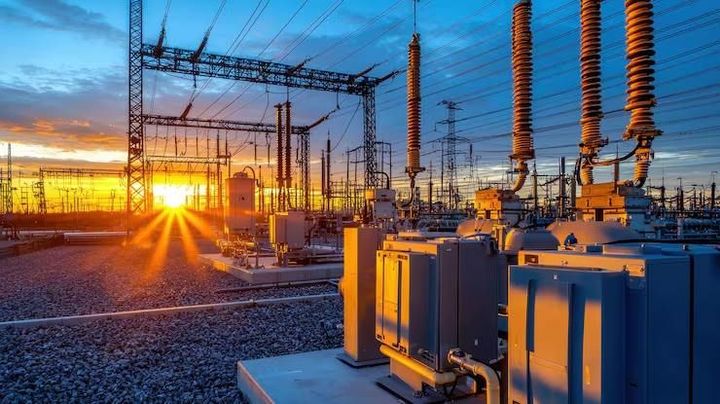
Industrial power systems are organized networks that generate, transform, control, transmit, and distribute electricity for factories, processing plants, warehouses, infrastructure facilities, and other large sites. An industrial power system may include generators, transformers, switchgear, circuit breakers, cables, busbars, protection devices, meters, control equipment, and distribution panels. Together, these parts move electrical energy from a source to the equipment that needs it while supporting safe and stable operation.
Context
What Are Industrial Power Systems?
The idea of an industrial power system developed from the need to supply electrical energy to machines and processes at a scale larger than a typical home or small building. As manufacturing expanded, electrical networks became more structured, with separate stages for generation, transmission, voltage transformation, distribution, and end-use equipment.
A typical system begins with an incoming utility connection or an on-site generation source. Electricity may pass through a high-voltage or medium-voltage section before transformers reduce voltage to levels suitable for motors, lighting, control systems, heating equipment, and production machinery.
Main Equipment in Industrial Power Systems
Industrial power systems use different equipment for specific electrical tasks. Common components include:
- Transformers, which change voltage levels between different parts of a network.
- Switchgear, which allows electrical circuits to be controlled and isolated.
- Circuit breakers, which interrupt current when a fault or abnormal condition is detected.
- Distribution panels and busbars, which divide electrical power among multiple circuits.
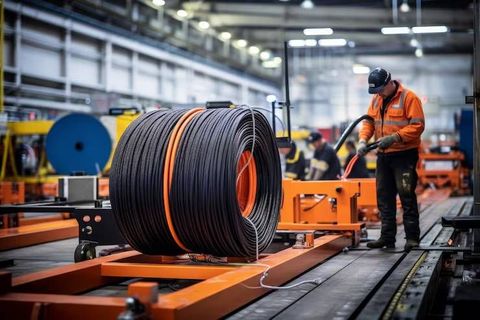
- Cables and conductors, which carry electricity between equipment and distribution points.
- Protection relays, which monitor electrical conditions and help trigger protective actions.
- Meters and monitoring devices, which record electrical quantities such as voltage, current, energy use, and power quality.
The exact arrangement depends on the facility size, voltage level, equipment type, operating pattern, and required protection scheme.
Importance
Why Industrial Power Systems Matter
Industrial facilities depend on electrical power for motors, pumps, compressors, conveyors, heating systems, automation equipment, lighting, ventilation, information systems, and safety equipment. A well-organized electrical network helps these loads receive electricity within their intended operating ranges.
Power systems also address electrical risks. Faults such as short circuits, overloads, insulation failures, and ground faults can damage equipment or create safety hazards. Protection devices, grounding arrangements, isolation equipment, and appropriate electrical clearances are therefore important parts of system design.
Where They Are Used
Industrial power systems appear across many sectors. Manufacturing plants may use them for production lines and machine tools, while water facilities use them for pumps and treatment equipment. They are also found in data centers, commercial complexes, transport infrastructure, hospitals, mining facilities, warehouses, and large institutional buildings.
The requirements differ by application. A facility with large motors may need attention to motor starting and voltage changes, while a data center may place greater emphasis on power quality, backup arrangements, and continuous monitoring.
Key Features
Several features help describe an industrial electrical network:
| Feature | Main purpose |
|---|---|
| Voltage transformation | Matches voltage levels to different network sections |
| Protection | Detects faults and limits their electrical impact |
| Distribution | Routes power to separate loads and areas |
| Monitoring | Tracks electrical conditions and energy use |
| Grounding | Provides a controlled path for fault current |
| Backup supply | Supports selected loads during interruptions |
| Power quality control | Helps manage voltage variation, harmonics, and related issues |
Recent Updates
Smart Distribution and Digital Monitoring
From 2024 through 2026, power-sector development in India has continued to place emphasis on digital monitoring, smart metering, distribution automation, and improved grid visibility. The Ministry of Power has reported continued implementation of smart meters and distribution infrastructure under the Revamped Distribution Sector Scheme. Government information also describes the use of data from smart meters for automatic readings, energy accounting, load forecasting, and renewable-energy integration.
Renewable Integration and Energy Storage
Industrial power systems are also being shaped by increased integration of renewable generation. As solar and wind output varies with weather and time, grid operators are using forecasting, flexible generation, battery energy storage systems, pumped storage projects, and grid-support technologies to help manage changing supply and demand. Ministry of Power information from 2026 describes renewable-energy management centers, energy storage, automatic generation control, and advanced grid-support equipment as parts of this evolving system.
Distribution Planning
The Central Electricity Authority published revised Electricity Distribution Network Planning Criteria in 2024. Such planning criteria help utilities consider demand growth, network capacity, voltage levels, reliability, and other factors when developing distribution networks.
Laws or Policies
Electricity Act and Electrical Safety
In India, the Electricity Act, 2003 provides the main legal framework for the electricity sector. The Central Electricity Authority develops technical and safety requirements under powers provided by the Act. The CEA Measures relating to Safety and Electric Supply Regulations, 2023 cover requirements connected with electrical installations and supply safety, while a 2026 amendment is listed by the CEA as part of the current regulatory record.
Technical standards also apply to the construction of electrical plants and electric lines. CEA technical standards published for electrical plants and lines provide a regulatory reference for design and construction considerations.
Consumer and Grid-Access Rules
The Electricity (Rights of Consumers) Rules and their amendments address matters such as new electricity connections, metering, billing, rooftop solar, and electric-vehicle charging connections. The 2024 amendment set maximum timelines for new connections or modifications after a complete application, with different limits for metropolitan, municipal, rural, and certain hilly areas.
Green Energy Open Access Rules also affect eligible consumers and renewable electricity arrangements. Government guidance has described eligibility for consumers with contracted demand or sanctioned load of 100 kW or more, subject to the applicable rules and provisions. State electricity regulatory commissions may also issue tariffs, supply codes, technical requirements, and other rules that apply within their jurisdictions.
Tools and Resources
Official Information Sources
Several public resources can help readers understand industrial power systems and electricity regulation in India:
- Central Electricity Authority publications provide regulations, technical standards, power reports, distribution planning information, and electrical safety material.
- Ministry of Power resources provide information about national electricity policies, distribution programs, consumer rules, and sector developments.
- The Revamped Distribution Sector Scheme portal provides information on distribution modernization, smart metering, energy accounting, and related program data.
- State Electricity Regulatory Commission websites publish state-specific tariff orders, supply codes, regulations, and public notices.
- The National Power Portal provides national electricity information, including generation, transmission, and other power-sector data.
Practical Technical Tools
Engineers and facility teams commonly use single-line diagrams to represent electrical networks in a simplified form. Load schedules, voltage-drop calculations, short-circuit studies, protection-coordination studies, power-quality measurements, and energy-monitoring dashboards can also help describe how an industrial power system behaves.
These tools require appropriate technical knowledge when they are used for real electrical design or safety decisions. General readers can use the diagrams and published reports mainly to understand how power moves through a facility.
FAQs
What is an industrial power system?
An industrial power system is a network of electrical equipment used to receive, transform, distribute, control, and monitor electricity in an industrial or large commercial facility. It can include transformers, switchgear, circuit breakers, cables, protection devices, meters, and control systems.
What equipment is used in industrial power systems?
Common equipment includes transformers, switchgear, circuit breakers, distribution panels, busbars, cables, protection relays, meters, grounding equipment, and backup power systems. The exact combination depends on the facility and its electrical loads.
How do industrial power systems distribute electricity?
Electricity generally moves from a source through incoming equipment, voltage transformation, switchgear, distribution boards, feeders, and final circuits. Different voltage levels may be used at different stages to match the requirements of the network and connected equipment.
Why are smart meters relevant to industrial power systems?
Smart meters can provide more frequent and automated information about electricity use. In India, government programs have connected smart metering with energy accounting, load forecasting, and distribution-network management.
What rules apply to industrial electrical installations in India?
Industrial installations can be affected by the Electricity Act, CEA safety and supply regulations, technical standards, state electricity regulations, and applicable utility requirements. The exact requirements depend on the installation, voltage level, location, and type of facility.
Conclusion
Industrial power systems connect electrical sources with the machines, controls, lighting, and infrastructure used across large facilities. Their main elements include voltage transformation, distribution equipment, protection, grounding, monitoring, and backup arrangements. In India, recent developments have emphasized smart metering, distribution modernization, renewable integration, energy storage, and updated safety and planning frameworks. Understanding these elements provides a useful foundation for reading electrical diagrams, equipment specifications, and power-sector information.