Hydraulic Energy Production An Informative Guide to Basics, Working Principles, and Key Facts
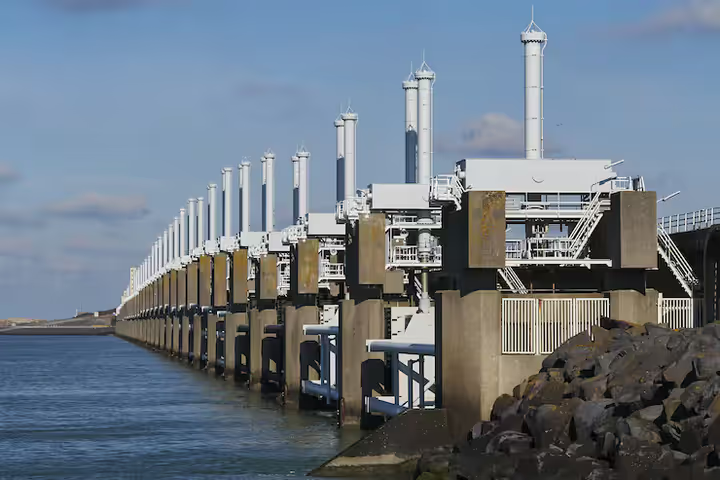
Hydraulic energy production refers to the process of generating power by harnessing the movement of water. It is based on the fundamental principle that flowing or falling water contains kinetic and potential energy that can be converted into mechanical and electrical energy. This concept has existed for centuries, evolving from simple water wheels used for milling grain into advanced hydropower systems supplying electricity to modern grids.
The development of hydraulic energy production emerged from the growing need for reliable, renewable, and scalable energy sources. As societies expanded and industrial activities increased, water-based power offered a dependable alternative to manual labor and fossil fuels. Today, hydraulic energy plays a central role in renewable energy strategies worldwide due to its long operational life and proven engineering foundations.
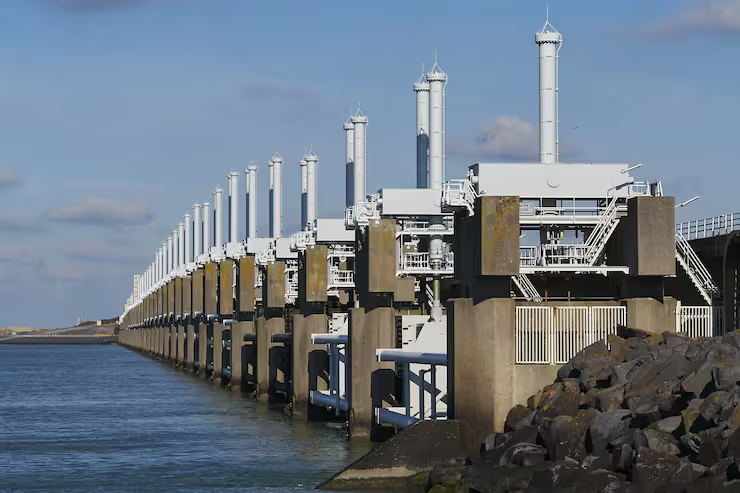
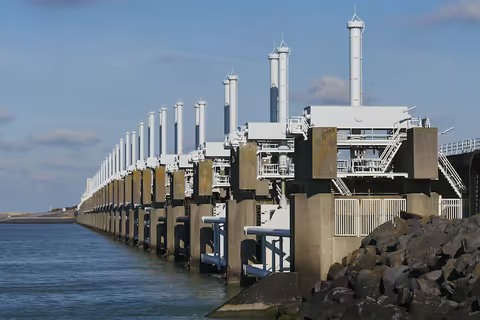
Hydraulic power systems are typically built around rivers, reservoirs, or man-made channels. These systems use gravity and water flow to drive turbines, which then activate generators to produce electricity. The process is continuous, predictable, and adaptable to different geographical conditions.
Importance of Hydraulic Energy Production Today
Hydraulic energy production matters because it supports energy security, environmental sustainability, and long-term infrastructure planning. It directly contributes to electricity generation while minimizing greenhouse gas emissions during operation.
This energy source affects multiple stakeholders, including governments, utility operators, industrial sectors, and local communities. Regions with access to flowing water benefit from stable power generation that supports economic development and grid reliability.
Key problems hydraulic energy production helps address include:
-
Dependence on fossil fuel–based electricity generation
-
Grid instability caused by intermittent energy sources
-
Long-term environmental impacts of non-renewable power systems
-
Rising electricity demand driven by urbanization and digital infrastructure
Hydropower facilities often act as grid stabilizers. Unlike some renewable sources, water flow can be controlled and adjusted, allowing operators to respond quickly to changes in electricity demand. This makes hydraulic energy especially valuable in hybrid renewable systems.
Working Principles of Hydraulic Energy Systems
The working principle of hydraulic energy production is based on energy conversion through controlled water movement. Water stored at a higher elevation possesses potential energy. When released, this energy transforms into kinetic energy as the water flows downward.
The basic process involves:
-
Water intake from a river, dam, or reservoir
-
Controlled flow through penstocks or channels
-
Rotation of turbines caused by water force
-
Conversion of mechanical energy into electrical energy using generators
Different turbine types are selected based on water head and flow rate. The most common turbine categories include:
| Turbine Type | Suitable Water Head | Typical Application |
|---|---|---|
| Pelton | High head, low flow | Mountainous regions |
| Francis | Medium head | Large dams |
| Kaplan | Low head, high flow | Rivers and canals |
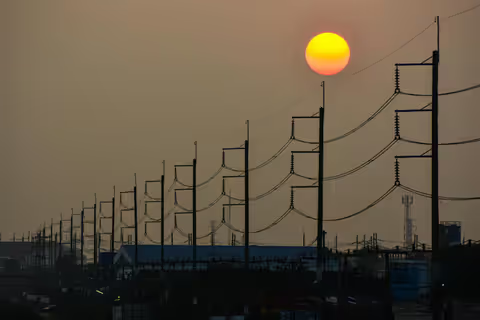
Once electricity is generated, it is transmitted through substations and power lines for distribution. Modern hydraulic energy systems integrate digital monitoring tools to improve efficiency, safety, and predictive maintenance.
Recent Updates and Industry Trends
Over the past year, hydraulic energy production has seen notable advancements driven by modernization efforts and sustainability goals.
In 2025, global investment trends shifted toward upgrading existing hydropower facilities rather than constructing large new dams. This modernization approach focuses on improving turbine efficiency, extending infrastructure lifespan, and reducing environmental impact.
Key recent developments include:
-
Increased adoption of digital twin technology for dam monitoring
-
Expansion of pumped storage hydropower to support renewable grids
-
Improved fish-friendly turbine designs
-
Integration with solar and wind energy systems
Pumped storage projects gained renewed attention in late 2025 as energy planners prioritized grid-scale energy storage. These systems store excess electricity by pumping water uphill during low demand periods and releasing it during peak demand.
Climate resilience has also become a major focus. Updated hydrological modeling tools now account for changing rainfall patterns, helping operators optimize water usage and maintain reliable output under variable conditions.
Laws, Policies, and Regulatory Frameworks
Hydraulic energy production is governed by environmental regulations, water management laws, and national energy policies. Governments typically regulate hydropower projects to balance energy generation with ecological protection and public safety.
Key regulatory areas include:
-
Water usage rights and river basin management
-
Environmental impact assessments
-
Dam safety and operational standards
-
Grid interconnection and energy dispatch rules
In India, hydropower development is supported through renewable energy classification policies and long-term national energy planning frameworks. Regulatory bodies oversee licensing, compliance, and operational safety to ensure responsible development.
Internationally, organizations such as the International Energy Agency and the World Bank provide guidelines, funding frameworks, and sustainability benchmarks for hydraulic energy projects.
Government programs increasingly emphasize rehabilitation of aging dams, improved sediment management, and community engagement to reduce social and environmental risks.
Tools and Resources for Hydraulic Energy Understanding
A variety of professional tools and digital resources support analysis, planning, and education related to hydraulic energy production.
Commonly used resources include:
-
Hydropower capacity factor calculators
-
River flow and watershed modeling software
-
Energy output estimation spreadsheets
-
Grid integration simulation platforms
-
Environmental impact assessment templates
Educational portals and research databases offer peer-reviewed studies, technical manuals, and performance benchmarks. These tools are widely used by engineers, researchers, policy analysts, and students to understand system behavior and optimize performance.
Data visualization platforms are also used to analyze seasonal water availability, turbine efficiency trends, and long-term generation forecasts.
Frequently Asked Questions About Hydraulic Energy Production
What is hydraulic energy production in simple terms?
Hydraulic energy production is the process of generating electricity using the movement of water, typically through turbines connected to generators.
Is hydraulic energy considered renewable?
Yes, it is renewable because it relies on the natural water cycle, which is continuously replenished through rainfall and river flow.
How long do hydraulic power systems last?
Well-maintained hydropower facilities can operate for 50 to 100 years, making them among the longest-lasting energy infrastructures.
Does hydraulic energy work in all regions?
It is most effective in areas with reliable water flow or elevation differences, though small-scale systems can operate in diverse environments.
How does hydraulic energy support modern power grids?
It provides stable, controllable electricity and supports grid balance, especially when combined with variable renewable sources.
Conclusion
Hydraulic energy production remains one of the most established and reliable renewable energy technologies. Its ability to deliver consistent power, support grid stability, and operate over long timeframes makes it a cornerstone of sustainable energy systems.
As global energy demands rise and environmental considerations become more critical, hydraulic energy continues to evolve through modernization, digital integration, and improved environmental practices. With strong regulatory frameworks and advanced analytical tools, it plays a vital role in shaping resilient and efficient power infrastructures for the future.