Smart Energy Automation Systems: An Explore Guide to Basics, Working Knowledge, and Practical Insights
Smart energy automation systems refer to digitally enabled frameworks that monitor, control, and optimize energy flow across buildings, facilities, and infrastructure.These systems combine sensors, controllers, communication networks, and intelligent software to automate energy-related decisions with minimal human intervention.
The concept exists because traditional energy management relies heavily on manual monitoring and static schedules. As energy demand increased and grids became more complex, inefficiencies, wastage, and reliability issues grew. Smart energy automation emerged as a response to these challenges, allowing real-time energy awareness and adaptive control.
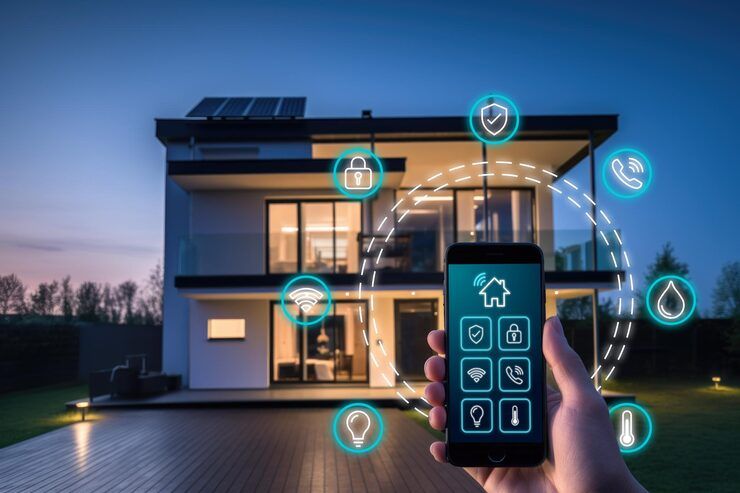
At a foundational level, these systems collect energy data, analyze consumption patterns, and execute automated responses. This can include adjusting lighting loads, regulating HVAC behavior, or balancing distributed energy resources. The goal is not just automation, but intelligent energy orchestration based on actual usage conditions.
Importance: Why Smart Energy Automation Matters Today
Energy systems today operate under pressure from rising demand, urbanization, and sustainability expectations. Smart energy automation systems play a critical role in addressing these pressures across multiple sectors.
Who is affected by smart energy automation
-
Residential and commercial building operators
-
Industrial facilities and manufacturing units
-
Utility operators and grid planners
-
Smart city developers and infrastructure authorities
Problems this technology helps solve
-
Inefficient energy usage due to static controls
-
Lack of real-time energy visibility
-
Difficulty integrating renewable energy sources
-
Manual intervention leading to delayed responses
By automating energy decisions, organizations can achieve optimized load management, improved operational reliability, and better alignment with sustainability targets. These systems also support predictive maintenance and energy forecasting, reducing uncertainty in planning.
Recent Updates and Technology Trends
The past year has seen accelerated innovation in smart energy automation, driven by artificial intelligence, edge computing, and grid modernization initiatives.
Key developments during 2025
-
AI-driven energy analytics (March 2025)
Advanced machine learning models are increasingly embedded in energy automation platforms, enabling predictive load optimization rather than reactive control. -
Growth of edge-based controllers (June 2025)
More systems now process data locally at the device level, reducing latency and improving resilience during network disruptions. -
Interoperability standards adoption (September 2025)
Greater alignment around open communication protocols has improved integration between automation systems, energy storage, and renewable assets. -
Expansion of digital twins for energy systems (November 2025)
Virtual replicas of energy infrastructure are now used to simulate automation strategies before real-world deployment.
These updates indicate a shift from rule-based automation toward adaptive, self-learning energy ecosystems.
Laws and Policies Influencing Smart Energy Automation
Smart energy automation systems operate within regulatory frameworks that encourage efficiency, safety, and grid stability. While regulations vary by country, several common policy directions influence adoption.
Key regulatory influences
-
Energy efficiency standards
Building and industrial efficiency codes increasingly reference automated energy control systems as compliance mechanisms. -
Grid modernization programs
National energy agencies support automation to improve demand response and grid reliability. -
Data protection and cybersecurity rules
Automation systems handling energy data must align with digital security and privacy regulations.
In many regions, automation is also indirectly supported through renewable integration mandates and smart infrastructure initiatives guided by organizations such as International Energy Agency and standards frameworks from International Electrotechnical Commission.
Tools and Resources Used in Smart Energy Automation
Smart energy automation relies on a combination of hardware, software, and analytical tools. Below is a structured overview of commonly used resources.
Core system components
| Category | Description |
|---|---|
| Smart Sensors | Measure voltage, current, temperature, and occupancy |
| Controllers | Execute automated decisions based on data |
| Communication Protocols | Enable device-to-device and system-level data exchange |
| Energy Analytics Platforms | Transform raw data into actionable insights |
Common digital resources
-
Energy modeling and simulation software
-
Load forecasting calculators
-
Automation logic templates for buildings
-
Grid-interaction monitoring dashboards
Widely referenced informational frameworks include guidance published by U.S. Department of Energy and efficiency benchmarking principles from ENERGY STAR.
Frequently Asked Questions About Smart Energy Automation
What is the difference between energy monitoring and energy automation?
Energy monitoring focuses on data collection and visualization, while energy automation actively controls systems based on predefined or adaptive logic.
Can smart energy automation work with renewable energy sources?
Yes. Automation systems are commonly used to balance solar, wind, and storage assets with real-time demand patterns.
Are smart energy automation systems scalable?
Most modern platforms are modular, allowing expansion from small facilities to large multi-site operations.
How does automation improve energy reliability?
By detecting anomalies early and responding instantly, automation reduces downtime and stabilizes energy delivery.
Is cybersecurity a concern in automated energy systems?
Yes. Secure communication protocols and compliance with digital security standards are essential components of system design.
Conclusion: The Future Role of Smart Energy Automation
Smart energy automation systems represent a foundational shift in how energy is managed, distributed, and optimized. Rather than relying on static schedules or manual oversight, these systems enable dynamic, data-driven decision-making across energy ecosystems.
As digital intelligence becomes embedded deeper into infrastructure, smart energy automation will continue to evolve from a supportive tool into a central operational layer. Its role in balancing efficiency, reliability, and sustainability makes it a critical component of modern energy strategies.
Organizations that understand the basics, working principles, and practical insights behind these systems are better positioned to navigate the increasingly complex energy landscape.