Vacuum Packaging Machines Knowledge: Operating Principles, Components, Uses and Maintenance
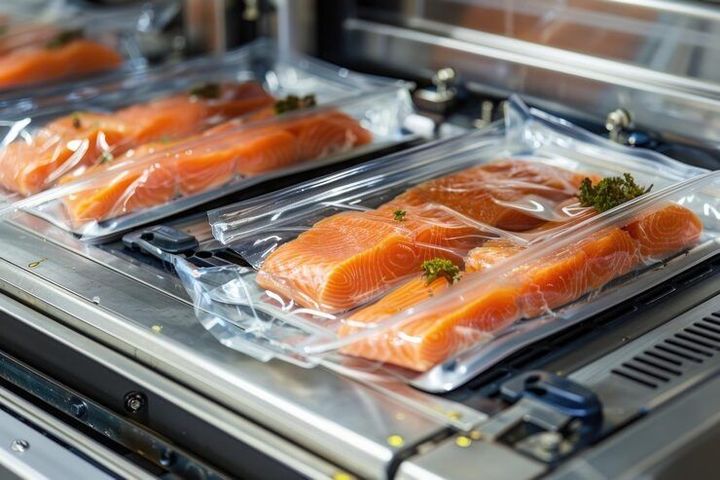
Vacuum packaging machines are equipment used to remove air from a package before sealing it. This process creates a sealed environment around products and is commonly used for food, medical supplies, electronics, industrial parts, and other items that may be affected by air, moisture, or contamination. Vacuum packaging machines can range from compact tabletop units to larger chamber systems used in production environments.
The basic idea behind vacuum packaging has existed for many years, but modern machines have made the process more controlled and repeatable. A typical system uses a vacuum pump, sealing bar, chamber or external nozzle, sensors, controls, and packaging material designed for vacuum applications.
Vacuum packaging does not simply mean removing all air from an item. The machine reduces the pressure around the packaged product, removes a significant portion of the surrounding air, and then seals the package. The resulting package can help reduce exposure to oxygen and external contaminants, although the actual effect depends on the product, packaging material, storage conditions, and handling procedures.
How vacuum packaging works
A typical vacuum packaging cycle involves several stages:
- The product is placed inside a suitable pouch or container.
- The package is positioned in the machine chamber or connected to a vacuum nozzle.
- The vacuum pump removes air from the package or chamber.
- A sensor or programmed control determines when the required vacuum level is reached.
- The sealing element applies heat and pressure to close the package.
- The machine returns to normal pressure before the sealed package is removed.
The exact sequence varies according to the machine design. Chamber machines generally place the entire pouch inside a chamber, while external suction machines remove air through an opening in a specially designed pouch.
Importance
Vacuum packaging machines matter because exposure to air can influence the condition of many products. Oxygen can contribute to oxidation, while moisture and environmental contamination can affect appearance, texture, cleanliness, or storage stability. Removing air and creating a sealed package can therefore be useful in several industries.
For food applications, vacuum packaging is used for products such as meat, cheese, vegetables, prepared foods, coffee, and other items. It can help reduce exposure to oxygen, but it does not make food immune to microbial growth. Temperature control, hygiene, appropriate packaging materials, and applicable food-safety procedures remain important.
Industrial users may apply vacuum packaging to components that need protection from moisture, dust, or oxidation during storage and transportation. Electronics, precision components, metal parts, and laboratory materials may use specialized barrier packaging when environmental exposure is a concern.
Common applications
Vacuum packaging machines can be found in:
- Food processing and preparation
- Commercial kitchens
- Meat and seafood packaging
- Cheese and other dairy products
- Coffee and dry-food packaging
- Pharmaceutical and laboratory packaging
- Electronics and sensitive components
- Industrial spare parts and metal components
- Household food storage
- Agricultural and specialty-product packaging
The machine type should correspond to the product characteristics. Liquids, powders, sharp components, delicate products, and products with high moisture levels may require different packaging arrangements and operating settings.
Practical advantages and limitations
Vacuum packaging can reduce the amount of air surrounding a product and create a compact sealed package. It may also reduce package volume for some products and provide a visible indication that the package has been sealed.
However, vacuum packaging has limitations. Soft products can deform under pressure, sharp edges can puncture packaging material, and liquids may be drawn toward the vacuum system if the process is not properly controlled. Vacuum packaging also does not replace refrigeration, sanitation, or other preservation procedures when those controls are required.
Recent Updates
From 2024 through 2026, developments around vacuum packaging have generally focused on automation, packaging-material compatibility, digital controls, energy management, and food-contact safety.
Modern vacuum packaging machines increasingly use programmable control systems that allow operators to set vacuum time, sealing temperature, sealing duration, cooling time, and other parameters. Digital displays and sensors can make it easier to monitor operating conditions and identify variations between packaging cycles.
Another trend involves integration with wider packaging lines. Larger production systems can combine product loading, vacuuming, sealing, labeling, inspection, and other operations. This can reduce the need for repeated manual handling and can make process monitoring more systematic.
Packaging materials are also receiving greater attention. Food-contact materials need to meet applicable safety requirements, and manufacturers are examining multilayer films, recyclable structures, and materials with improved barrier properties. In India, FSSAI continues to update and clarify food-packaging requirements. Its current regulatory records include amendments and 2026 developments related to food-contact and packaging materials.
Common machine developments
| Development | General purpose |
|---|---|
| Digital controls | Set and monitor packaging cycles |
| Vacuum sensors | Monitor pressure during evacuation |
| Programmable sealing | Control sealing duration and temperature |
| Automatic cycles | Reduce repeated manual adjustments |
| Improved pumps | Support consistent air removal |
| Gas flushing | Replace part of the package atmosphere in suitable systems |
| Packaging monitoring | Identify sealing or pressure variations |
Some advanced systems also combine vacuum packaging with modified-atmosphere techniques. These processes are different: vacuum packaging primarily removes air, while modified-atmosphere packaging changes the gas composition inside a package. FSSAI's recent regulatory work recognizes modified-atmosphere packaging as a distinct packaging concept.
Laws or Policies
In India, vacuum packaging used for food products is affected by food-safety and packaging regulations. The Food Safety and Standards Authority of India regulates materials that come into contact with food through the Food Safety and Standards (Packaging) Regulations, 2018 and subsequent amendments.
Food-contact packaging materials are required to meet applicable safety requirements and relevant Indian Standards. FSSAI documentation also addresses migration limits and other requirements intended to prevent packaging materials from adversely affecting food.
This means the vacuum machine itself is only one part of a compliant packaging process. The pouch, film, container, sealing layer, inks, and other materials that may contact food also need to be appropriate for their intended use.
For packaged commodities, the Legal Metrology (Packaged Commodities) Rules, 2011 can also apply to labeling and declarations for products packed for retail sale. Requirements can include information such as product identity, net quantity, manufacturer or packer details, country of origin where applicable, and other prescribed declarations. The Department of Consumer Affairs discussed proposed changes to these rules in 2024.
Environmental requirements are another consideration. India’s Plastic Waste Management framework has undergone amendments, including changes issued in 2024. Businesses using plastic-based vacuum pouches therefore need to consider applicable requirements for packaging materials and plastic-waste management.
Regulatory requirements can vary according to the product, packaging material, intended market, and type of business. The applicable regulations should therefore be checked before establishing a commercial packaging process.
Tools and Resources
Several resources can help readers understand or operate vacuum packaging systems.
Machine manuals and technical specifications
The operating manual supplied with a particular machine is an important reference for vacuum levels, sealing temperatures, cycle settings, pump maintenance, compatible packaging materials, and safety procedures. Different machines can use different controls and components, so settings should not automatically be transferred from one model to another.
Vacuum gauges and measurement tools
A vacuum gauge helps monitor pressure inside a chamber or vacuum system. Digital pressure sensors may provide readings through the machine's control panel. These tools can help identify changes in pump performance or operating conditions.
Packaging-material specifications
Film and pouch specifications can provide information about thickness, barrier properties, temperature limits, sealing characteristics, and intended applications. Food packaging should also be evaluated against applicable food-contact requirements.
Regulatory resources
For Indian food applications, the FSSAI website provides regulations, amendments, notifications, and packaging-related documents. The Department of Consumer Affairs provides information concerning Legal Metrology requirements, while the Ministry of Environment, Forest and Climate Change provides information about plastic-waste regulations.
Maintenance checklist
A basic maintenance routine can include:
- Inspecting the sealing bar and sealing surface
- Checking the condition of vacuum hoses and connections
- Cleaning the chamber and product-contact areas
- Inspecting gaskets for wear or deformation
- Checking the vacuum pump according to the manufacturer's instructions
- Monitoring unusual noise, vibration, or pressure changes
- Keeping the machine dry where required
- Recording recurring sealing or vacuum problems
Maintenance intervals depend on machine design, operating frequency, product type, and manufacturer specifications.
FAQs
What are vacuum packaging machines used for?
Vacuum packaging machines are used to remove air from packages and seal them. Common applications include food packaging, industrial components, electronics, laboratory materials, and products requiring reduced exposure to air or environmental contaminants.
How do vacuum packaging machines work?
Vacuum packaging machines use a pump to remove air from a pouch or chamber. Once the programmed vacuum condition is reached, a sealing element closes the package, creating a sealed environment around the product.
What components are found in a vacuum packaging machine?
Common components include a vacuum pump, chamber or suction nozzle, sealing bar, heating element, pressure sensor, control panel, lid gasket, valves, hoses, and electrical controls. The exact configuration varies by machine type.
Can vacuum packaging machines package liquids?
Some vacuum packaging machines can handle liquid-containing products, but the process requires appropriate equipment and settings. Liquids can move toward the vacuum system during air removal, so machines designed for such applications may use specific controls or chamber configurations.
How should a vacuum packaging machine be maintained?
Routine maintenance generally includes cleaning the chamber, inspecting the sealing system, checking gaskets and hoses, monitoring vacuum performance, and following the machine manufacturer's maintenance instructions. The required maintenance frequency depends on operating conditions and machine design.
Conclusion
Vacuum packaging machines use controlled air removal and heat sealing to create sealed packages for food, industrial, laboratory, and other applications. Their operation depends on components such as vacuum pumps, sealing systems, sensors, chambers, controls, and compatible packaging materials. Recent developments have emphasized automation, digital monitoring, packaging-material safety, and integration with broader packaging processes. In India, food packaging applications are also shaped by FSSAI requirements, Legal Metrology provisions, and plastic-waste regulations.