Snack Frying Machines Guide: Designs, Heating Systems, Controls, Uses and Key Features
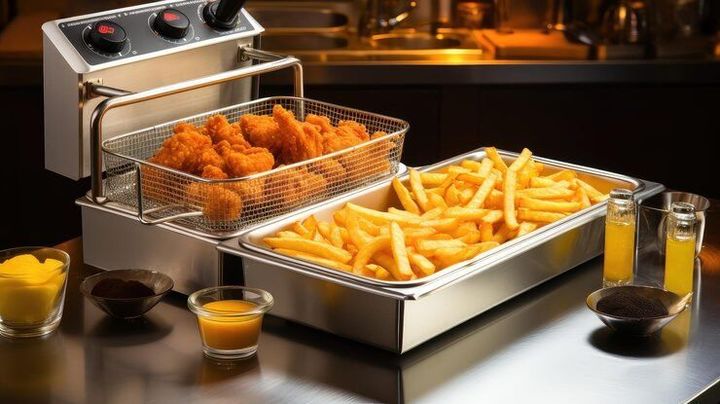
Snack frying machines are food-processing systems designed to cook products in heated edible oil. They are used for items such as potato chips, banana chips, extruded snacks, namkeen, coated vegetables, dough-based snacks, and other fried foods. A snack frying machine can range from a compact batch fryer to a continuous industrial system, with differences in tank design, heating method, oil circulation, temperature controls, filtration, and product movement.
Understanding these machines helps readers identify how frying equipment works and why different designs are used for different snack products. The main factors include the type of food being fried, required production capacity, heating arrangement, oil management, control system, and cleaning requirements.
Context
How Snack Frying Machines Developed
Traditional frying involves placing food into hot oil and maintaining a suitable cooking temperature until the desired texture and color develop. As snack production became more organized, equipment designers developed mechanical systems to provide more consistent heating, product movement, and oil management.
Modern snack frying machines may use stainless-steel frying tanks, conveyors, pumps, heating elements, burners, temperature sensors, filtration systems, and control panels. The exact configuration depends on whether the machine operates in batches or continuously.
Main Machine Designs
Snack frying machines generally fall into two broad categories: batch fryers and continuous fryers. Batch fryers process a defined quantity of food at a time, while continuous fryers move products through the heated oil for a more continuous process.
Batch systems can be used for products that require separate cooking cycles or changes between product types. Continuous systems are commonly associated with larger-scale food processing where products move through several stages without stopping the frying process.
Some systems also include integrated oil filtration and circulation. These features help remove food particles and maintain more consistent oil movement during operation.
Importance
Why Frying Equipment Matters
Frying involves several variables that can affect the final food product. Oil temperature, frying time, food thickness, moisture content, loading quantity, and oil condition can all influence texture, color, and cooking results.
A controlled frying system can help operators monitor these variables more consistently than manual frying. Temperature sensors and automated controls can reduce large temperature changes during normal operation, although actual performance depends on the machine design and operating conditions.
Common Applications
Snack frying machines can be used for a wide range of foods, including:
- Potato and vegetable chips
- Banana and plantain chips
- Extruded cereal snacks
- Namkeen and similar savory products
- Dough-based snacks
- Coated vegetables
- Fried pulses and legumes
- Certain specialty snack products
Different foods require different frying conditions. A thin chip, for example, may require a different residence time and oil temperature from a thicker dough-based snack.
Important Operating Factors
Several factors influence frying performance:
- Product size and thickness
- Moisture level in the food
- Oil temperature
- Frying time
- Oil circulation
- Product loading rate
- Filtration frequency
- Heat distribution
- Cooling after frying
Maintaining suitable conditions is important because excessive heating can affect oil quality, while insufficient heating may result in uneven cooking or excessive oil absorption.
Recent Updates
More Automated Temperature Control
Recent snack frying equipment has increasingly incorporated digital temperature displays, programmable controllers, electronic sensors, and automated process monitoring. These systems allow operators to observe temperature conditions more easily and adjust operating parameters according to the product.
Some systems can also record process information, which can support internal production records and quality checks.
Improved Oil Management
Oil management has become an important part of modern frying equipment. Filtration systems can remove crumbs and suspended food particles from frying oil. Some machines also use circulation systems that move oil through different areas of the frying tank.
Oil monitoring is particularly important because repeated heating changes the physical and chemical properties of edible oil. FSSAI guidance identifies Total Polar Compounds, or TPC, as an important indicator for used frying oil.
Energy and Heat Management
Recent equipment designs also focus on more controlled heat transfer. Electric heating elements, gas-fired systems, thermal-fluid arrangements, and other heating configurations can be selected according to machine size and operating requirements.
Insulated frying tanks and controlled heating zones can help reduce unnecessary heat loss. The actual energy performance depends on factors such as machine design, insulation, product load, ambient conditions, and operating temperature.
Greater Attention to Hygiene
Food-processing equipment is increasingly designed with easier access to product-contact areas, smoother surfaces, removable components, and layouts that simplify cleaning. These design features are particularly relevant in snack production because small food particles can accumulate around frying tanks, conveyors, filters, and oil circulation components.
Laws or Policies
Food Safety Requirements in India
In India, snack production is subject to food-safety requirements administered by the Food Safety and Standards Authority of India (FSSAI). Food businesses need to follow applicable food-safety, hygiene, licensing, and operational requirements based on their activities.
FSSAI guidance states that used cooking oil with Total Polar Compounds above 25% should not be used for food preparation. The guidance also addresses the handling and disposal of used cooking oil.
For food businesses using larger quantities of frying oil, FSSAI requirements include recordkeeping and appropriate disposal arrangements. The regulatory guidance specifies requirements for businesses consuming 50 litres or more of edible oil for frying.
Machinery and Electrical Safety
Machine operators also need to consider applicable electrical and machinery safety requirements. BIS maintains Indian Standards covering machinery safety, electrical equipment of machines, protective measures, and related technical subjects.
For example, IS 16504 Part 1 addresses electrical equipment of machines, while IS 16819 relates to general principles for machinery risk assessment and risk reduction.
The exact certification or conformity requirements depend on the particular machine, electrical configuration, product category, and regulations applicable at the time. BIS provides a “Know Your Standard” facility for checking relevant Indian Standards and related information.
Basic Safety Considerations
Because frying involves hot oil and heated equipment, operators should follow documented workplace procedures. Suitable protective equipment, temperature monitoring, safe electrical connections, emergency controls, ventilation, and appropriate fire-safety arrangements are important considerations.
Specific requirements can vary according to the facility, machine design, fuel type, electrical system, and applicable local rules.
Tools and Resources
Temperature Measurement Tools
Digital temperature sensors and food-grade temperature probes can help monitor frying conditions. Some machines have integrated sensors, while separate measuring instruments may be used for verification.
Oil Quality Monitoring
Oil-quality testing tools can help identify changes in frying oil. TPC measurement is particularly relevant where applicable because FSSAI uses a 25% TPC limit for used vegetable oil or fat intended for food use.
FSSAI Resources
The FSSAI website provides food-safety guidance, regulations, notices, and information for food businesses. Its resources can help readers understand requirements related to food hygiene, licensing, cooking oil, and food-processing practices.
BIS Standards Portal
The BIS “Know Your Standard” portal allows users to search Indian Standards using an IS number or a product-related keyword. It can be useful when examining machinery safety, electrical requirements, and other technical standards.
Basic Frying Process Records
A simple production record can include:
| Parameter | Example Information to Record |
|---|---|
| Product | Potato chips, namkeen, or other snack |
| Frying temperature | Actual operating temperature |
| Frying duration | Approximate residence or cooking time |
| Oil condition | Inspection or test result |
| Product load | Quantity introduced per batch or time period |
| Filtration | Time or frequency of filtration |
| Cleaning | Cleaning activity and inspection |
| Equipment checks | Temperature, controls, and safety checks |
The values in such a record should be based on the particular food product, machine design, operating procedure, and applicable food-safety requirements rather than a universal setting.
FAQs
What is a snack frying machine?
A snack frying machine is food-processing equipment used to cook snack products in heated edible oil. It may operate as a batch system or as a continuous fryer with conveyors and oil circulation.
What heating systems are used in snack frying machines?
Common arrangements include electric heating elements and fuel-fired heating systems. The heating method affects temperature control, machine configuration, heat distribution, and operating requirements.
How does a continuous snack frying machine work?
A continuous snack frying machine generally moves food through a heated oil zone using a conveyor or similar transport system. The product remains in the frying area for a controlled period before moving toward draining or cooling stages.
Why is temperature control important in snack frying machines?
Temperature influences cooking time, texture, color, and oil behavior. Sensors and control systems help operators monitor the frying environment and maintain more consistent operating conditions.
What does FSSAI say about used frying oil?
FSSAI states that used vegetable oil or fat with Total Polar Compounds above 25% should not be used for food preparation. FSSAI also provides requirements concerning the handling, recording, and disposal of used cooking oil in applicable food businesses.
Conclusion
Snack frying machines combine heated oil, product movement, temperature control, and oil-management systems to process a variety of fried foods. Batch and continuous designs serve different production arrangements, while heating systems and controls influence how frying conditions are maintained. In India, food businesses must also consider FSSAI requirements for food safety and used cooking oil, along with applicable machinery and electrical safety standards. Understanding machine design, heating, controls, oil management, and regulatory requirements provides a useful foundation for understanding modern snack frying equipment.