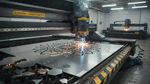
Slotting Machines Details: Components, Tooling Systems, Applications, Functions and Maintenance
A slotting machine is a metal-cutting machine used to create vertical grooves, keyways, slots, recesses, and other internal or external shapes in workpieces. The machine uses a reciprocating cutting tool that moves mainly in a vertical direction, removing small amounts of material during repeated strokes. Slotting machines are related to shaping and machining equipment and have been used in workshops for many years.
The basic idea behind a slotting machine is relatively simple. A workpiece is positioned on a table, while a cutting tool is mounted in a ram above it. The ram moves up and down, allowing the tool to cut a controlled path through the material. Depending on the machine design, the table can move horizontally, vertically, or rotate to position the workpiece.
Slotting machines are used with materials such as steel, cast iron, aluminum, and other machinable metals. Their ability to produce internal keyways and vertical surfaces makes them useful for certain machining tasks that can be difficult to perform with conventional drilling or milling equipment.
Basic Development of Slotting Machines
Early metalworking machines relied heavily on manually controlled cutting movements. As manufacturing requirements developed, machines with controlled reciprocating movements became more common. Slotting machines evolved from this general approach and became useful for producing internal features and shapes.
Modern versions may include improved drive systems, adjustable stroke controls, digital readouts, and more precise workholding arrangements. The basic cutting principle, however, remains based on the repeated movement of a tool through or against the workpiece.
How a Slotting Machine Works
During operation, the cutting tool travels through a predetermined stroke. The downward movement generally performs the cutting action, while the return movement brings the tool back for the next cycle.
A simplified operating sequence includes:
- Positioning the workpiece on the machine table.
- Securing the workpiece with suitable holding equipment.
- Installing the appropriate cutting tool.
- Adjusting the stroke length and position.
- Setting the required cutting speed.
- Moving the table or workpiece incrementally.
- Inspecting the finished feature after machining.
The exact sequence varies according to the machine design, material, tooling system, and required geometry.
Importance
Slotting machines remain relevant because some machining operations require controlled vertical cutting or internal shaping. Keyways, internal grooves, square openings, splines, and other profiles can require specialized machining arrangements.
The machines are particularly relevant in manufacturing environments where components have irregular internal features. They may also be used for repair and production work involving gears, pulleys, shafts, machine components, and other metal parts.
Problems Addressed by Slotting Machines
A major function of a slotting machine is to create shapes that are difficult to produce using ordinary drilling. A drilled hole, for example, normally produces a circular opening. A slotting operation can progressively remove material to create a rectangular or shaped internal profile.
Common machining requirements include:
- Internal keyways in hubs and gears.
- Vertical grooves in metal components.
- Square and rectangular internal openings.
- Internal splines and related profiles.
- Small recesses and slots.
- Machining of certain irregular surfaces.
The machine can also be useful when the workpiece geometry makes direct access with another cutting machine difficult.
Main Applications
Slotting machine applications can be found across several manufacturing areas. Typical examples include:
| Application | Typical Purpose |
|---|---|
| Gear components | Producing internal grooves and profiles |
| Pulleys and hubs | Creating keyways |
| Shafts and couplings | Machining mating features |
| Machine housings | Producing internal slots |
| Tool components | Creating shaped recesses |
| General fabrication | Producing vertical grooves and profiles |
The actual application depends on the machine's stroke capacity, table size, tooling arrangement, material, and required dimensional accuracy.
Components and Tooling Systems
Understanding the main slotting machine components helps explain how the machine performs its cutting operation. Each component has a specific role in controlling the tool, workpiece, movement, and cutting process.
Main Machine Components
The ram is the moving component that carries the cutting tool. It performs the reciprocating motion required for the machining process. Stroke length and position can usually be adjusted according to the workpiece.
The tool head holds the cutting tool and provides the connection between the tool and the ram. Depending on the machine design, the tool head may allow angular adjustment for particular machining requirements.
The worktable supports the workpiece and allows controlled positioning. Some tables provide longitudinal and transverse movement, while certain machines also allow rotary positioning.
The column and base provide structural support for the machine. These components help maintain the alignment of the moving parts and provide a stable foundation during operation.
The drive mechanism generates the reciprocating movement of the ram. Traditional machines may use mechanical drive arrangements, while newer designs can incorporate more advanced control systems.
Tooling Systems
The cutting tool is one of the most important parts of the machining setup. Slotting tools are generally designed with a cutting edge suited to the material and geometry being produced.
Tooling considerations include:
- Tool material.
- Cutting-edge geometry.
- Tool size.
- Tool holder arrangement.
- Required groove or profile.
- Workpiece material.
- Cutting conditions.
High-speed steel and carbide-based cutting tools can be used for different machining conditions. Tool selection depends on the material, required finish, machine capability, and operating parameters.
Recent Updates
From 2024 through 2026, developments in metalworking have generally focused on improved machine monitoring, digital measurement, automation, energy management, and integration with broader manufacturing systems. These developments affect many types of machine tools, including equipment used for slotting and shaping operations.
Digital Measurement and Monitoring
Digital readouts and electronic measurement systems can make it easier for operators to monitor table movement and machine settings. Measurement tools can also help verify dimensions after machining.
In larger manufacturing environments, machine monitoring systems may collect information about operating conditions, production cycles, machine utilization, and maintenance requirements. These technologies are part of the wider movement toward data-supported manufacturing.
Automation and Manufacturing Integration
Automation is increasingly being applied to material handling, measurement, tool management, and production monitoring. Slotting machines themselves may remain relatively simple compared with modern CNC machining centers, but they can operate alongside automated equipment in a larger production environment.
Computer-based production planning can also help coordinate machining sequences, inspection procedures, and material movement. The extent of automation depends on the production environment and machine configuration.
Improved Safety and Efficiency
Current machine-tool development also places attention on guarding, emergency controls, improved operator interfaces, and monitoring systems. These features are intended to reduce exposure to moving components and help operators understand machine conditions.
Manufacturers and workshops are also paying greater attention to energy consumption, machine condition, cutting-tool life, and material waste. These considerations influence how machining equipment is selected and operated.
Laws or Policies
In India, the use of industrial machinery can be affected by workplace safety requirements, factory regulations, electrical safety rules, environmental requirements, and standards applicable to machinery and industrial operations. The exact requirements depend on the type of workplace, machine installation, state regulations, and the activities being performed.
Workplace Safety Requirements
Industrial workplaces are generally expected to provide appropriate safeguards around moving machinery. Requirements can include machine guarding, safe operating procedures, worker training, protective equipment, emergency arrangements, and appropriate workplace conditions.
The Occupational Safety, Health and Working Conditions Code, 2020 provides a broader legal framework concerning occupational safety and working conditions in India. Its practical application depends on the relevant rules and implementation arrangements.
Electrical and Equipment Considerations
Where a slotting machine uses an electrical drive, the installation may also need to follow applicable electrical safety requirements. Proper earthing, electrical protection, control arrangements, and inspection procedures can be relevant depending on the installation.
Organizations operating industrial machinery should refer to applicable central and state requirements, relevant technical standards, and workplace safety authorities. Specific compliance requirements can differ according to the type and scale of the facility.
Tools and Resources
Several tools can help readers understand, operate, inspect, and maintain slotting machines. These resources range from technical references to measurement equipment.
Measurement Tools
Common measurement equipment includes vernier calipers, micrometers, depth gauges, dial indicators, and height gauges. These instruments help check dimensions and positioning during or after machining.
A dial indicator can be used to examine alignment or movement, while a depth gauge can help measure recessed features. Precision requirements determine which measuring instrument is appropriate.
Technical References
Machine manuals provide information about machine capacity, operating controls, lubrication points, adjustment procedures, and recommended operating parameters. Tool catalogs and machining handbooks can also explain cutting-tool geometry and material considerations.
Engineering drawings are another important resource because they define the dimensions, tolerances, surface requirements, and geometry of the component being machined.
Maintenance Records
A maintenance record can document inspections, lubrication activities, component adjustments, unusual machine behavior, and replacement of worn parts. A simple record can contain:
| Record Item | Information to Note |
|---|---|
| Machine identification | Model or equipment reference |
| Inspection date | Date of examination |
| Lubrication | Areas checked and lubricant used |
| Tool condition | Wear or damage observed |
| Drive system | Unusual noise or movement |
| Table and ram | Movement and alignment observations |
| Safety equipment | Guard and emergency-control checks |
| Follow-up | Work identified for later attention |
Routine Maintenance Considerations
Routine maintenance helps identify mechanical problems before they interfere with machining operations. Areas commonly examined include the ram, guideways, table, drive mechanism, tooling arrangement, fasteners, lubrication points, and electrical controls.
The machine should be kept clean, particularly around moving surfaces and workholding areas. Metal chips and accumulated debris can interfere with movement and may create additional hazards.
Maintenance procedures should follow the specific machine manufacturer's technical instructions and applicable workplace safety procedures.
FAQs
What is a slotting machine used for?
A slotting machine is mainly used to produce vertical slots, keyways, grooves, recesses, and certain internal profiles. It uses a reciprocating cutting tool to remove material from a workpiece.
What are the main slotting machine components?
Important slotting machine components include the ram, tool head, worktable, column, base, drive mechanism, and workholding arrangement. Each component contributes to controlled movement and machining.
What tooling systems are used in a slotting machine?
Slotting machines use cutting tools selected according to the workpiece material, required profile, machine capacity, and machining conditions. Tool holders and tool heads secure and position the cutting tool.
What are common slotting machine applications?
Common applications include machining keyways in hubs and gears, producing internal grooves, creating shaped recesses, and machining certain internal profiles in metal components.
How is slotting machine maintenance performed?
Maintenance generally includes cleaning, lubrication according to the machine manual, inspection of moving components, examination of cutting tools, checking workholding equipment, and inspection of safety controls. The exact maintenance procedure depends on the machine design and operating environment.
Conclusion
A slotting machine is a reciprocating machine tool designed for producing slots, keyways, grooves, and selected internal profiles. Its main components include the ram, tool head, table, drive mechanism, and supporting structure, while tooling selection depends on the workpiece and machining requirement. Recent manufacturing trends have introduced greater use of digital measurement, monitoring, automation, and safety systems around machine-tool operations. Proper operation, inspection, measurement, and maintenance remain important parts of using slotting equipment in an industrial environment.