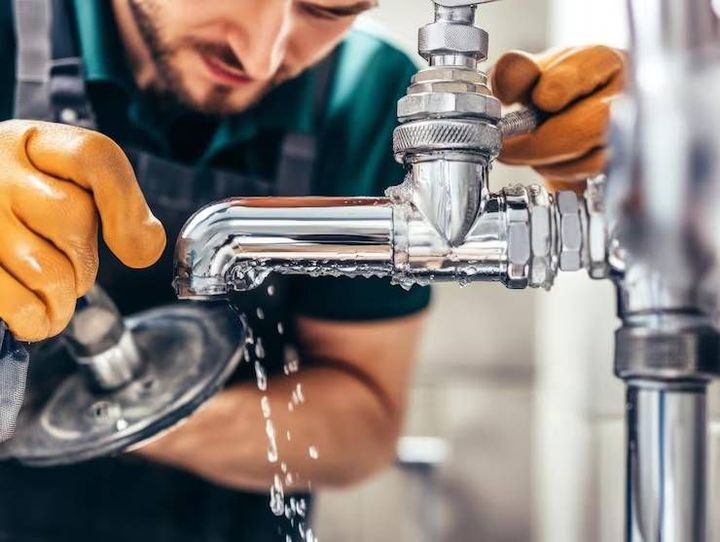
Plumbing Knowledge: Water Distribution, Drainage Systems, Pipe Materials and Fittings
Plumbing is the network of pipes, valves, fixtures, fittings, and drainage components used to move water into buildings and carry wastewater away. Modern plumbing developed from earlier water and sanitation systems that used simple channels, wells, clay pipes, and underground drains. As towns became larger, organized water distribution and drainage became important for household sanitation and public health.
A typical plumbing system has two connected but separate functions. The water distribution side brings treated or otherwise suitable water from a source into a building, while the drainage side carries used water and wastewater toward an appropriate treatment or disposal system. Good planning also considers pressure, flow, pipe sizing, ventilation, access, and protection against contamination.
The main parts of a household plumbing arrangement can include supply pipes, storage tanks, pumps, shut-off valves, taps, toilets, sinks, showers, traps, drainage pipes, vents, and inspection points. Pipe materials and fittings vary according to the type of water, pressure, temperature, location, and building requirements.
Water Distribution
A water distribution system normally begins at a public network, private source, storage tank, or another approved supply point. Water then moves through a main pipe and branches into different parts of the building.
Common components include:
- Main supply pipes that carry water into the property
- Branch pipes that distribute water to individual areas
- Valves that control or isolate sections of the network
- Storage tanks that hold water for later use
- Taps and plumbing fixtures where water enters daily-use areas
- Pressure-control components where required by the system design
Pipe diameter influences the amount of water that can move through a system. Pressure also affects flow, particularly in buildings with several floors or long pipe runs.
Drainage Systems
Drainage systems remove wastewater from fixtures such as sinks, showers, washing areas, and toilets. Drainage pipes normally use gravity, although pumping equipment may be needed where the available level does not allow wastewater to flow naturally.
Traps are important components because they retain a small amount of water that helps limit the movement of gases from drainage pipes into occupied areas. Ventilation in a drainage system also helps balance pressure and supports proper movement of wastewater.
Drainage layouts may include separate or combined arrangements depending on local infrastructure and building design. Greywater generally refers to wastewater from sources such as baths, showers, and sinks, while wastewater containing toilet discharge requires different handling.
Pipe Materials and Fittings
Different pipe materials have different physical properties. Plastic pipes such as PVC, CPVC, HDPE, and PEX are used in various applications, while metal options such as copper, galvanized steel, and stainless steel may also be found in buildings and industrial environments.
Fittings connect or redirect pipes. Common examples include elbows for changing direction, tees for creating branches, reducers for connecting different pipe sizes, couplings for joining sections, unions for detachable connections, and adapters for connecting different pipe types.
| Component | Common Purpose | Examples |
|---|---|---|
| Elbow | Changes pipe direction | 45° or 90° elbow |
| Tee | Creates a branch | Equal or reducing tee |
| Coupling | Joins pipe sections | Straight coupling |
| Reducer | Connects different diameters | Concentric or reducing fitting |
| Union | Allows a detachable connection | Threaded or compression union |
| Valve | Controls flow | Ball, gate, or check valve |
| Trap | Holds water in a drainage line | P-trap |
| Adapter | Connects different connection types | Threaded or transition adapter |
Importance
Plumbing affects drinking water, cooking, bathing, cleaning, sanitation, and wastewater management. A properly planned water distribution system helps deliver water to the required fixtures, while an appropriate drainage system helps move wastewater away from occupied spaces.
Plumbing problems can also affect buildings in less obvious ways. Poor drainage can contribute to standing water, unpleasant odors, damp areas, or blockages. Incorrect pipe materials or unsuitable fittings may also create compatibility problems, leakage, corrosion, or reduced system performance.
Water Quality and Hygiene
The condition of pipes and storage components can influence water quality. Materials intended for drinking-water applications need to be suitable for that purpose, and systems should be protected from cross-connections between potable and contaminated water.
Backflow prevention is another important consideration. Backflow occurs when water moves in an unintended direction, potentially allowing contaminants to enter a clean-water network. Appropriate separation, valves, and system design help reduce this risk.
Efficient Water Use
Water-efficient plumbing has become increasingly relevant as communities manage changing water availability and growing demand. Low-flow fixtures, leak detection, rainwater management, greywater reuse, and properly maintained distribution networks can all form part of broader water-management strategies.
Water conservation is not limited to the fixtures themselves. Correct pipe sizing, pressure management, storage planning, and maintenance can also influence how efficiently a building uses its water resources.
Building Safety
Plumbing and drainage systems interact with building structure, electrical installations, ventilation, and sanitation. Poorly planned pipe routes can interfere with structural components or create access difficulties during maintenance.
Drainage ventilation is particularly important because wastewater pipes need appropriate pressure management. Traps and vent arrangements work together to reduce the movement of drainage gases into occupied spaces.
Recent Updates
Plumbing practices continue to change as building standards, water-management programs, materials, and construction technologies develop. Current trends include greater attention to water conservation, greywater management, digital monitoring, prefabricated plumbing assemblies, and improved quality control for pipes and fittings.
In India, the National Building Code of India 2016 includes Part 9, which covers plumbing systems, including water supply, drainage and sanitation, solid waste management, and gas supply. The Bureau of Indian Standards identifies NBC 2016 as a national model code for regulating building construction activities.
Recent work has also focused on updating plumbing and drainage provisions. BIS published a 2025 draft revision covering drainage and sanitation under Part 9. A draft document is not automatically the same as an adopted requirement, so the applicable edition and local rules should be checked for a particular project.
Water Supply Development
India's Jal Jeevan Mission continues to emphasize household tap-water connections, water-quality monitoring, source sustainability, piped distribution infrastructure, and greywater management. Its current materials include updated operational guidelines and technical resources addressing rural drinking-water systems.
The program's recent materials also show continuing attention to operation, maintenance, training, quality control, and the standards used for pipes and fittings in distribution networks.
Modern Plumbing Approaches
Modern buildings increasingly incorporate water meters, leak-detection devices, pressure monitoring, prefabricated pipe assemblies, and digital building-management systems. These approaches can make system conditions easier to observe and can help identify unusual water use or potential problems.
Rainwater harvesting and greywater management are also receiving greater attention in water-planning discussions. Their suitability depends on local regulations, building design, water quality, and the intended reuse application.
Laws or Policies
In India, plumbing requirements are influenced by national standards, the National Building Code, state and local building regulations, water-supply authorities, sanitation requirements, and project-specific approvals. Requirements can vary between states, municipalities, building categories, and development types.
The National Building Code of India 2016 provides a framework that includes dedicated provisions for plumbing services. Part 9 contains sections covering water supply and drainage and sanitation, making it an important reference for building-related plumbing design.
Drinking-Water Requirements
Drinking-water systems must consider water quality as well as physical distribution. Jal Jeevan Mission materials refer to BIS drinking-water specifications and emphasize regular water-quality monitoring as part of rural household tap-water programs.
For an actual building project, the applicable municipal rules, development regulations, plumbing requirements, and water authority provisions should be considered together rather than relying on a single national document.
Wastewater and Drainage
Drainage and sanitation requirements address the safe movement and handling of wastewater. Depending on the location and building type, wastewater may connect to a public sewer, approved treatment arrangement, septic system, or another permitted system.
Local authorities may specify requirements for drainage connections, inspection chambers, septic arrangements, rainwater systems, wastewater treatment, and discharge. These requirements can differ by jurisdiction, so local regulations are relevant when designing or modifying a plumbing system.
Tools and Resources
Several resources can help readers understand plumbing systems and organize basic information.
Planning and Reference Tools
Useful resources include:
- Pipe-sizing reference tables for understanding relationships between pipe diameter and expected flow
- Water-use calculators for estimating household consumption
- Plumbing layout drawings for identifying supply and drainage routes
- Manufacturer technical sheets for checking pipe and fitting characteristics
- Building-code documents for understanding applicable construction requirements
- Water-quality guidance for understanding drinking-water specifications
- Maintenance checklists for recording valves, tanks, fixtures, and drainage points
The Bureau of Indian Standards provides information about the National Building Code and related standards. The Jal Jeevan Mission website also provides guidelines, manuals, infrastructure information, water-quality resources, and program documents relating to drinking-water systems.
Basic Plumbing Inspection Tools
Simple inspection equipment can help identify visible conditions. Examples include a flashlight, measuring tape, adjustable wrench, pressure gauge, moisture meter, inspection camera, and basic pipe-location tools.
These tools can provide useful observations, but measurements and repairs involving concealed pipes, structural elements, contaminated water, gas systems, or complex drainage networks may require appropriately qualified professionals.
FAQs
What are the main parts of a water distribution system?
A water distribution system can include a source connection, main pipes, branch pipes, valves, storage tanks, pressure-control components, and fixtures. The exact arrangement depends on the building and water source.
What pipe materials are commonly used in plumbing?
Common pipe materials include PVC, CPVC, HDPE, PEX, copper, galvanized steel, and stainless steel. Selection depends on the application, temperature, pressure, water characteristics, installation environment, and applicable standards.
How does a drainage system work?
A drainage system carries wastewater from fixtures toward a sewer, treatment system, septic arrangement, or another approved destination. Gravity normally provides the movement, while traps and ventilation help support proper drainage operation.
What are plumbing fittings used for?
Plumbing fittings connect pipes and change their direction, diameter, or branching arrangement. Examples include elbows, tees, couplings, reducers, unions, and adapters.
What rules apply to plumbing in India?
Plumbing in India can be influenced by the National Building Code, BIS standards, state and municipal building regulations, water authorities, and sanitation requirements. The applicable rules depend on the location and type of project.
Conclusion
Plumbing combines water distribution, drainage systems, pipe materials, fittings, valves, fixtures, and ventilation into an integrated building network. Understanding these components helps explain how clean water reaches fixtures and how wastewater leaves a building safely. In India, national building provisions and water-management programs provide important frameworks, while local requirements can determine specific project conditions. Modern plumbing is also increasingly connected with water conservation, monitoring, greywater management, and improved system planning.