Industrial Dewatering Guide: Techniques, Systems, Applications and Key Considerations
Industrial dewatering is the process of removing unwanted water from soil, industrial materials, sludge, and other substances to achieve a suitable level of dryness. It is widely used in construction, mining, manufacturing, wastewater treatment, and infrastructure development. The process helps manage excess moisture, improve material handling, and maintain stable working conditions in industrial environments.
Context
Industrial dewatering is the process of removing unwanted water from soil, industrial materials, sludge, and other substances to achieve a suitable level of dryness. It is widely used in construction, mining, manufacturing, wastewater treatment, and infrastructure development. The process helps manage excess moisture, improve material handling, and maintain stable working conditions in industrial environments.
Water naturally accumulates in different industrial settings. Rainfall, groundwater movement, underground water pressure, industrial processing, and wastewater generation can all contribute to excess moisture. When water is not properly managed, it can affect machinery, interrupt production activities, weaken soil structures, and create difficulties during material transportation.
Industrial dewatering systems developed to address these challenges through mechanical, physical, and sometimes chemical processes. Depending on the material and operating environment, these systems may use pumps, filters, centrifuges, vacuum equipment, or drainage networks.
The approach differs according to the application. Construction projects may require groundwater removal, while manufacturing facilities may need to separate liquid from solid materials. Similarly, wastewater treatment plants use dewatering equipment to reduce the moisture content of collected sludge before further processing or disposal.
Importance
Industrial dewatering plays an important role in maintaining operational stability, protecting infrastructure, and managing industrial water resources. Many industries depend on controlled moisture levels to maintain production processes and handle materials safely.
Managing Groundwater and Construction Conditions
Groundwater can accumulate around building foundations, underground structures, tunnels, and excavation areas. Excess water may weaken surrounding soil, create unstable working surfaces, and make excavation activities more difficult.
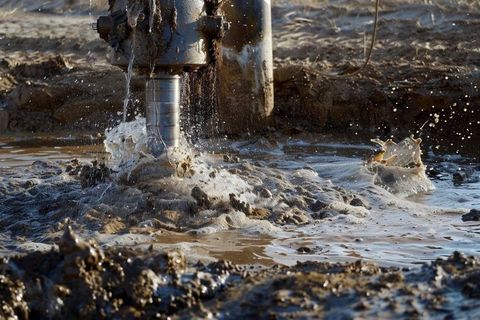
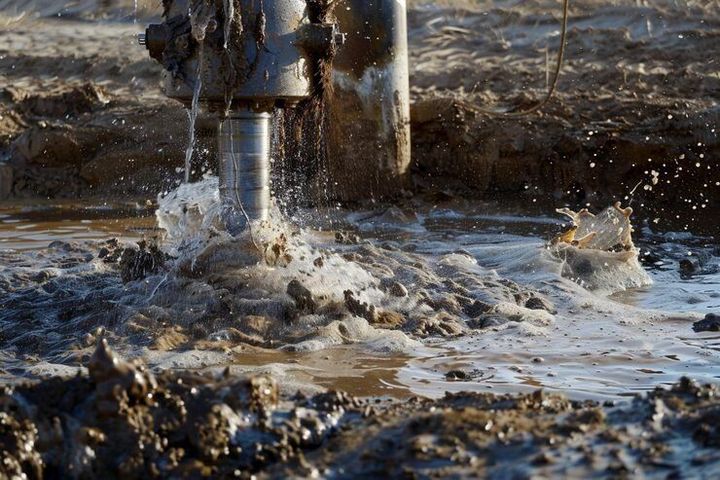
Construction dewatering systems remove accumulated water through wellpoints, deep wells, drainage pipes, and submersible pumps. These techniques help maintain suitable working conditions during foundation development and underground construction.
Improving Industrial Material Handling
Many industrial materials contain water after processing. Wet materials can become heavier, difficult to transport, and unsuitable for certain production stages.
Industrial sludge dewatering and solid-liquid separation help reduce excess moisture. These processes are particularly relevant to mineral processing, chemical manufacturing, food processing, and wastewater management.
Supporting Wastewater Management
Industrial wastewater treatment produces sludge containing water, organic matter, suspended particles, and other substances. Dewatering reduces the volume of this material, making subsequent handling and treatment easier.
Common equipment includes filter presses, belt filter presses, and decanter centrifuges. The selection depends on sludge characteristics, treatment requirements, and the intended disposal or reuse method.
Protecting Equipment and Infrastructure
Uncontrolled water accumulation can affect electrical equipment, machinery foundations, storage areas, and underground structures. Industrial drainage and dewatering arrangements help manage these conditions.
Proper water removal can also reduce problems associated with soil erosion, excessive groundwater pressure, and moisture-related deterioration.
Recent Updates
Industrial dewatering technologies continue to develop alongside automation, environmental management, and improvements in industrial water treatment. Recent developments between 2024 and 2026 reflect growing attention to energy consumption, water reuse, equipment monitoring, and automated operations.
Automated Dewatering Systems
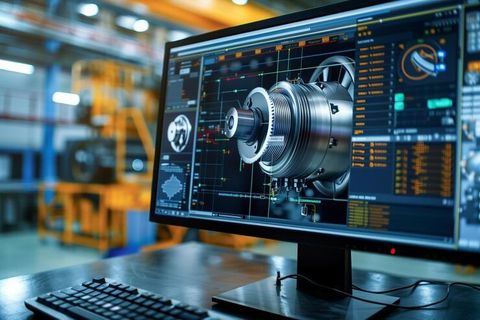
Automation is becoming increasingly relevant in industrial water management. Modern pumping systems can use sensors, programmable controllers, and automated switches to monitor water levels and regulate pumping operations.
These systems can respond to changing water conditions without requiring constant manual adjustments. Remote monitoring also helps operators observe equipment performance and identify unusual operating conditions.
Smart Sensors and Monitoring
Digital water-level sensors, pressure sensors, flow meters, and moisture detectors are increasingly incorporated into industrial dewatering arrangements.
These devices provide information about:
Groundwater levels around construction sites.
Water flow through drainage networks.
Pump operating conditions and pressure.
Moisture levels in industrial materials.
Changes in water movement during excavation.
Monitoring information can support maintenance planning and help identify potential equipment problems.
Energy-Efficient Pumping Technologies
Industrial pumping systems require electricity to move water through pipes, wells, and drainage networks. Manufacturers have continued developing variable-speed drives, improved pump designs, and automated controls to manage changing operating requirements.
Variable-frequency drives allow pump speeds to change according to water demand. This can help avoid unnecessary pumping activity when operating conditions permit.
Advanced Sludge Dewatering
Wastewater treatment facilities are increasingly using improved filtration materials, membrane technologies, and mechanical separation equipment.
Geotextile dewatering bags are another method used for separating water from sludge and sediment. They allow liquid to drain through specialized fabric while retaining a substantial portion of the solid material.
Water Reuse and Resource Management
Industrial facilities are paying greater attention to the collection, treatment, and reuse of extracted water. Depending on its quality, dewatered water may be suitable for selected industrial processes, cooling applications, dust suppression, or other approved uses.
However, reuse generally requires appropriate testing and treatment. Extracted groundwater should not automatically be considered suitable for industrial or domestic applications.
Laws or Policies
Industrial dewatering in India is influenced by groundwater regulations, environmental protection requirements, and wastewater discharge standards. The applicable rules depend on the project location, water source, industrial activity, and the method used to manage extracted water.
Central Ground Water Authority Regulations
The Central Ground Water Authority (CGWA) operates under the Environment (Protection) Act, 1986. It regulates groundwater extraction by industries, mining projects, and infrastructure developments in areas under its jurisdiction.
Projects requiring groundwater abstraction may need a No Objection Certificate (NOC) before extraction begins. Certain infrastructure and mining activities involving groundwater dewatering are also subject to regulatory conditions.
The applicable requirements may include:
Groundwater extraction permissions.
Installation of water flow meters.
Monitoring of groundwater levels.
Groundwater impact assessments.
Compliance with approved extraction quantities.
Reporting and record maintenance.
Some states and union territories have their own groundwater regulatory authorities. Therefore, the relevant state-level requirements must also be considered.
Water (Prevention and Control of Pollution) Act, 1974
The Water Act provides a regulatory framework for preventing and controlling water pollution in India.
State Pollution Control Boards (SPCBs) and Pollution Control Committees (PCCs) oversee relevant industrial discharge activities. Industries may require Consent to Establish and Consent to Operate, depending on their activities and applicable regulatory classifications.
Extracted water containing industrial contaminants, chemicals, suspended solids, or other pollutants may require treatment before discharge.
Environment (Protection) Act, 1986
The Environment (Protection) Act establishes a broader framework for environmental protection in India. It supports regulations concerning pollution prevention, environmental standards, and the management of potentially harmful industrial activities.
Industrial projects may also be subject to environmental clearance conditions, depending on their nature, location, and applicable requirements.
State and Local Requirements
Local authorities may impose additional requirements relating to construction drainage, groundwater extraction, stormwater management, and wastewater disposal.
Project developers should consider the following factors:
Local groundwater availability and classification.
Permissions required for groundwater extraction.
Approved water discharge locations.
Environmental monitoring requirements.
Applicable construction and drainage regulations.
Tools and Resources
Different tools and resources help engineers, industrial operators, and project planners understand dewatering requirements and monitor system performance.
Industrial Dewatering Equipment
Common equipment includes:
Submersible Pumps: Designed to operate underwater and move accumulated water from pits, tanks, and excavation areas.
Centrifugal Pumps: Use rotating impellers to transfer water through pipelines.
Wellpoint Systems: Use connected shallow wells to lower groundwater levels around excavation areas.
Deep Well Systems: Use deeper boreholes and pumps to remove groundwater from underground formations.
Filter Presses: Separate liquid from solid materials by applying pressure through filter plates and filter media.
Belt Filter Presses: Use moving filter belts and pressure rollers to separate water from sludge.
Decanter Centrifuges: Use centrifugal force to separate solids and liquids according to their physical properties.
Geotextile Dewatering Bags: Allow water to pass through specialized fabric while retaining solid particles.
Planning and Monitoring Tools
Digital tools can help calculate pumping requirements, evaluate water movement, and monitor equipment operations.
| Tool or Resource | Primary Purpose | Common Application |
|---|---|---|
| Dewatering calculator | Estimates pumping requirements | Construction and excavation |
| Groundwater monitoring system | Tracks groundwater levels | Mining and infrastructure |
| Flow meter | Measures water discharge | Industrial pumping |
| Moisture analyzer | Measures material moisture | Manufacturing |
| Pump performance calculator | Evaluates pump operating conditions | Industrial water management |
| Water quality testing equipment | Identifies water characteristics | Wastewater treatment |
| Geographic Information System (GIS) | Maps groundwater and site conditions | Environmental planning |
Technical Information Resources
Several institutional resources provide information about groundwater, environmental requirements, and industrial water management.
Central Ground Water Board (CGWB): Publishes groundwater reports, monitoring information, and technical guidelines.
Central Ground Water Authority (CGWA): Provides groundwater extraction regulations and NOC-related information.
Central Pollution Control Board (CPCB): Publishes environmental standards and pollution management information.
State Pollution Control Boards: Provide state-specific environmental permissions and discharge requirements.
Bureau of Indian Standards (BIS): Provides relevant Indian technical standards for industrial equipment and engineering practices.
FAQs
What Is Industrial Dewatering?
Industrial dewatering is the process of removing excess water from soil, sludge, industrial materials, or other substances. It is commonly used in construction, mining, manufacturing, and wastewater treatment to manage moisture and improve material handling.
What Are the Main Industrial Dewatering Techniques?
Common industrial dewatering techniques include wellpoint pumping, deep well pumping, vacuum filtration, pressure filtration, centrifugation, and geotextile filtration. The appropriate technique depends on water volume, soil conditions, material characteristics, and project requirements.
How Do Industrial Dewatering Systems Work?
Industrial dewatering systems collect and remove excess water through pumps, drainage networks, filtration equipment, or mechanical separation. Some systems lower groundwater levels, while others separate liquid from solid materials during industrial processing.
What Is the Difference Between Sludge Dewatering and Groundwater Dewatering?
Sludge dewatering separates water from solid particles in industrial or wastewater treatment sludge. Groundwater dewatering removes underground water from excavation areas, construction sites, or mining locations to manage water accumulation and underground pressure.
Is a Groundwater Permission Required for Construction Dewatering in India?
Certain construction projects involving groundwater extraction or dewatering require permission from the CGWA or the relevant state groundwater authority. Requirements depend on the location, groundwater conditions, project category, and applicable regulations.
Conclusion
Industrial dewatering is an important process for managing excess water across construction, mining, manufacturing, and wastewater treatment activities. Different techniques, including pumping, filtration, centrifugation, and drainage systems, address different moisture management requirements. Automation, digital monitoring, and water reuse are influencing developments in modern dewatering technology. In India, groundwater extraction and industrial water discharge must also be considered within the applicable environmental and regulatory framework.