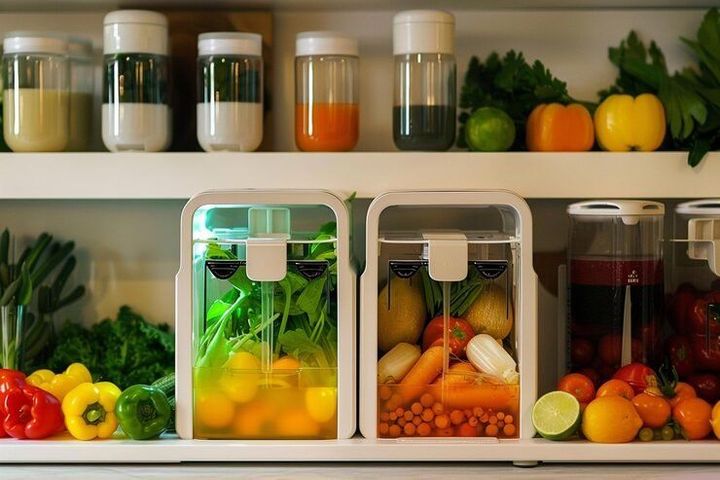
Food Storage Systems Guide: Technologies, Equipment, Preservation Methods and Applications
A Food Storage Systems Guide explains the technologies, equipment, preservation methods, and applications used to keep food in suitable conditions before consumption or processing. Food storage has existed for thousands of years, beginning with methods such as drying, salting, smoking, and storing grains in protected containers. As agriculture, trade, and food production expanded, people developed cellars, granaries, ice houses, refrigerated rooms, and other systems to preserve food for longer periods.
Context
A Food Storage Systems Guide explains the technologies, equipment, preservation methods, and applications used to keep food in suitable conditions before consumption or processing. Food storage has existed for thousands of years, beginning with methods such as drying, salting, smoking, and storing grains in protected containers. As agriculture, trade, and food production expanded, people developed cellars, granaries, ice houses, refrigerated rooms, and other systems to preserve food for longer periods.
Modern food storage systems combine temperature control, humidity management, protective packaging, sanitation, and monitoring equipment. These systems are used in homes, farms, restaurants, supermarkets, warehouses, food processing facilities, and transportation networks. Their design depends on the type of food, expected storage duration, available space, and the environmental conditions required to maintain food quality and safety.
Understanding Food Storage Technologies
Food storage technologies work by controlling factors that can cause food to deteriorate. Temperature, moisture, oxygen, light, microorganisms, and physical damage can influence how quickly food changes during storage.
Common technologies include refrigeration, freezing, controlled-atmosphere storage, vacuum packaging, and humidity regulation. Some systems combine several methods, such as refrigerated storage with protective packaging, to maintain suitable conditions for particular food products.
Main Types of Food Storage Equipment
Food storage equipment varies according to its purpose and capacity. Common examples include:
Refrigerators and cold rooms: Maintain chilled conditions for foods such as dairy products, prepared meals, and certain fruits and vegetables.
Freezers and blast freezers: Keep food frozen, with blast freezers designed to lower product temperature rapidly.
Dry storage cabinets and warehouses: Protect grains, flour, dried foods, and packaged ingredients from moisture, pests, and contamination.
Grain silos: Store harvested grain in enclosed structures that protect it from weather and help manage moisture and pests.
Food-grade containers: Hold ingredients and prepared foods while reducing exposure to contamination and environmental conditions.
Controlled-atmosphere storage systems: Adjust gases such as oxygen and carbon dioxide to slow the ripening of selected produce.
Vacuum and modified-atmosphere packaging equipment: Change the atmosphere surrounding food to influence oxidation and microbial growth, depending on the product and packaging process.
Each system has specific operating requirements. Equipment suitable for frozen meat, for example, may not provide the humidity or ventilation needed for fresh produce.
Importance
Food storage systems matter because food quality and safety can change between harvesting, processing, distribution, and consumption. Poor storage conditions can contribute to spoilage, contamination, reduced nutritional quality, and unnecessary food waste. Effective storage also helps maintain the availability of seasonal products and supports the movement of food over longer distances.
These systems affect households, farmers, food retailers, restaurants, manufacturers, and public institutions. Households rely on refrigerators and appropriate containers, while commercial facilities may need refrigerated warehouses, temperature monitoring, inventory management, and documented handling procedures.
Factors That Affect Food Preservation
Several factors determine which food storage method is appropriate:
Temperature: Higher temperatures can accelerate many chemical and biological processes, while suitable chilling or freezing slows them.
Moisture: Excess moisture can encourage mold growth and damage dry products, while insufficient moisture can cause certain foods to lose quality.
Oxygen exposure: Oxygen can contribute to oxidation and quality changes in foods containing fats, pigments, or other sensitive compounds.
Light: Exposure to light can affect the color, flavor, and nutrient content of selected products.
Microorganisms: Bacteria, yeasts, and molds can grow under suitable conditions, although their growth requirements vary.
Packaging and handling: Damaged packaging, unclean equipment, or contact between raw and ready-to-eat foods can increase contamination risks.
No single storage method prevents every form of deterioration. The appropriate approach depends on the food, its preparation, packaging, and intended storage period.
Comparing Food Preservation Methods
| Method | Main purpose | Common applications |
|---|---|---|
| Refrigeration | Slows deterioration at chilled temperatures | Dairy products, cooked foods, fresh produce |
| Freezing | Slows microbial growth and other changes | Meat, fish, vegetables, prepared meals |
| Drying | Reduces moisture available for deterioration | Grains, herbs, dried fruit |
| Canning | Uses heat processing and sealed containers to achieve shelf stability | Vegetables, soups, fruit, selected meats |
| Vacuum packaging | Reduces air surrounding the product | Selected meats, cheeses, and other packaged foods |
| Controlled atmosphere | Adjusts gas levels to slow selected changes | Certain fruits and vegetables |
| Fermentation | Uses controlled microbial activity to transform food | Yogurt, fermented vegetables, selected grain products |
These methods are not interchangeable. Vacuum packaging, for instance, does not automatically make food safe at room temperature, and refrigerated foods still require appropriate temperature control and handling.
Recent Updates
Food storage systems have increasingly incorporated digital monitoring, energy management, automation, and improved packaging. Across 2024–2026, general industry developments have continued to focus on reducing food waste, improving traceability, maintaining reliable cold chains, and monitoring storage conditions more consistently. Adoption varies according to facility size, infrastructure, product type, and local regulations.
Smart Monitoring and Automation
Modern storage facilities may use sensors to measure temperature, humidity, door activity, and equipment performance. Connected monitoring systems can record readings and notify staff when conditions move outside configured limits. These records can support quality checks and help identify refrigeration problems before they affect larger quantities of food.
Automated warehouse equipment can also assist with moving pallets, tracking inventory, and managing storage locations. Some systems use data analysis to identify changes in equipment performance or help organize stock according to expiry dates. These technologies still require suitable maintenance, accurate sensors, and trained personnel.
Energy Efficiency and Improved Packaging
Refrigeration can require substantial energy, particularly in large cold-storage warehouses. Current development efforts include improved insulation, efficient compressors, heat recovery, better door seals, and monitoring systems that help manage energy use while maintaining required food temperatures.
Packaging developments include recyclable materials, improved moisture barriers, and packaging designs intended to extend product quality. However, packaging suitability depends on the food and the conditions of use. Environmental claims also need to be evaluated in the context of material composition, food waste, collection systems, and local recycling infrastructure.
Cold Chain Visibility
A cold chain is the sequence of temperature-controlled storage and transportation used for products that require chilled or frozen conditions. Digital data loggers and connected sensors can provide records from warehouses, refrigerated vehicles, and distribution points.
Monitoring the cold chain helps identify temperature deviations during transport or storage. However, a temperature record alone does not establish that every product is safe; product-specific handling procedures, exposure duration, and other relevant conditions must also be considered.
Laws or Policies
Food storage systems are affected by food safety laws, hygiene requirements, packaging rules, labeling provisions, and standards governing food businesses. Requirements differ by country and may also depend on the product, facility, and stage of the supply chain.
Food Storage Regulations in India
In India, the Food Safety and Standards Authority of India (FSSAI) operates under the Food Safety and Standards Act, 2006. The framework includes requirements relevant to food businesses, hygiene, handling, storage, transportation, and other aspects of food safety.
Applicable regulations and guidance can address temperature control, prevention of contamination, storage arrangements, pest management, and the handling of perishable foods. Businesses must identify the requirements relevant to their activities rather than assuming that one set of storage conditions applies to every product.
The Food Safety and Standards (Licensing and Registration of Food Businesses) Regulations, 2011, include requirements for food businesses within their scope. Additional regulations, amendments, and directions may apply to particular activities or products.
Hygiene, Packaging, and Temperature Control
Food businesses generally need procedures that prevent contamination and maintain appropriate storage conditions. These may include cleaning schedules, separation of raw and ready-to-eat foods, pest control, equipment maintenance, stock rotation, and records of relevant temperature checks.
Packaging and labeling requirements may also affect storage practices. Instructions relating to refrigeration, freezing, expiry, or use after opening should be followed where applicable. International standards, including Codex Alimentarius guidance, can provide a reference for food hygiene and handling, but their legal status depends on how they are adopted in a particular jurisdiction.
Households are not subject to every commercial food-business requirement, but the same basic principles of cleanliness, separation, and appropriate temperature control are relevant to everyday food safety.
Tools and Resources
Several tools help households and food businesses select, monitor, and manage food storage systems. Their usefulness depends on the type of food, the scale of the operation, and the level of control required.
Temperature and Inventory Tools
Digital thermometers can check the temperature of refrigerators, freezers, and stored foods where appropriate. Data loggers record temperatures over time, while connected sensors can provide alerts when conditions exceed configured limits.
Inventory spreadsheets and stock-management software can track product names, quantities, receiving dates, storage locations, and expiry or use-by dates. These records support stock rotation and can help staff identify products that need attention.
Food Safety and Technical Resources
The following resources provide information about storage and food safety:
FSSAI: Official Indian food safety regulations, guidance, and resources for food businesses.
World Health Organization (WHO): General food safety information and guidance on hygienic food handling.
Codex Alimentarius: International food standards and guidance developed through the FAO and WHO.
Food Safety and Inspection Service (USDA FSIS): Food handling, refrigeration, freezing, and storage guidance relevant to the United States.
Equipment manuals: Manufacturer documentation covering installation, operating conditions, cleaning, and maintenance for specific storage equipment.
Practical Storage Management
A basic storage plan can record the food category, required temperature range, packaging condition, storage location, inspection schedule, and stock rotation procedure. Commercial facilities may also document temperature deviations, corrective actions, cleaning activities, and equipment maintenance.
The plan should reflect the requirements of each food category. Dry grains, chilled dairy products, frozen meat, and fresh produce have different storage needs, so a single temperature or humidity setting is not appropriate for all products.
FAQs
What are the main types of food storage systems?
Common types include refrigerated storage, freezers, dry storage rooms, grain silos, food-grade containers, and controlled-atmosphere facilities. The suitable system depends on the food type, storage duration, and required environmental conditions.
How do food preservation methods work?
Food preservation methods slow or prevent deterioration through temperature control, moisture reduction, heat processing, packaging, or controlled microbial activity. Different methods address different risks, and some foods require a combination of approaches.
What equipment is used in c ommercial food storage?
Commercial facilities may use cold rooms, industrial refrigeration units, blast freezers, dry warehouses, temperature sensors, data loggers, and inventory systems. Equipment selection depends on product volume, handling requirements, and applicable food safety rules.
What are the food storage regulations in India?
India's food safety framework includes the Food Safety and Standards Act, 2006, and applicable FSSAI regulations. Requirements vary by food business and activity and can cover hygiene, storage, handling, transportation, and contamination prevention.
How can smart technology improve food storage systems?
Sensors, data loggers, and connected monitoring tools can record environmental conditions and alert staff to deviations. These tools support oversight but do not replace suitable equipment, regular maintenance, food safety procedures, or trained personnel.
Conclusion
Food storage systems combine equipment, preservation methods, packaging, and monitoring practices to maintain food quality and safety. Refrigeration, freezing, drying, canning, and controlled-atmosphere storage serve different purposes and require conditions suited to individual products. Digital monitoring and energy-efficient equipment are influencing how households and commercial facilities manage stored food. Applicable food safety regulations, hygienic handling, and accurate storage records remain important throughout the supply chain.