Industrial Water Cooling Systems Guide: Working Principles, Designs, Uses and Selection Factors
Industrial water cooling systems are used to remove excess heat from machinery, production equipment, buildings, and industrial processes. These systems transfer unwanted heat from water to the surrounding air or another cooling medium, helping equipment operate within suitable temperature ranges. Industrial water cooling systems are common in manufacturing plants, power generation facilities, chemical processing, food production, and large commercial buildings.
Context
Industrial water cooling systems are used to remove excess heat from machinery, production equipment, buildings, and industrial processes. These systems transfer unwanted heat from water to the surrounding air or another cooling medium, helping equipment operate within suitable temperature ranges. Industrial water cooling systems are common in manufacturing plants, power generation facilities, chemical processing, food production, and large commercial buildings.
The development of industrial cooling systems followed the growth of mechanized production and large-scale industrial operations. As factories began using more powerful machinery, engines, and electrical equipment, heat management became an important part of reliable operation. Water became a widely used cooling medium because it can absorb and transport substantial amounts of heat.
Today, industrial water cooling systems include cooling towers, chillers, heat exchangers, recirculating water loops, and specialized process cooling equipment. Their design depends on the amount of heat produced, the required water temperature, environmental conditions, available water, and the needs of the industrial process.
How Industrial Water Cooling Works
An industrial water cooling system generally collects heat from equipment and transfers it elsewhere. Water circulates through pipes or heat exchangers, absorbs heat, and moves toward a cooling unit where that heat is released.
A typical system includes several components:
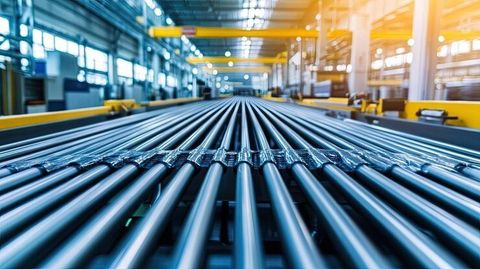
Cooling water circuit: Carries water between the equipment and the cooling unit.
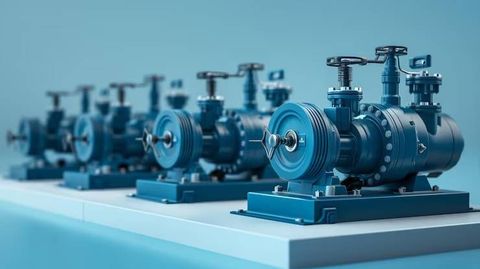
Pumps: Move water through pipes and system components.
Heat exchangers: Transfer heat between fluids without necessarily mixing them.
Cooling towers or chillers: Remove heat through evaporation, air circulation, or refrigeration.
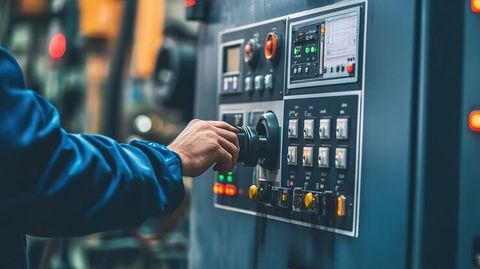
Controls and sensors: Monitor temperature, pressure, water flow, and operating conditions.
The cooled water then returns to the equipment, where the cycle continues. Some systems reuse the same water repeatedly, while others use a continuous supply or combine recirculation with water replacement.
Importance
Industrial water cooling systems matter because excessive heat can affect production quality, equipment performance, and workplace conditions. Motors, compressors, furnaces, machine tools, hydraulic systems, and electronic equipment may require controlled temperatures to operate properly. Without suitable heat removal, some components can overheat, experience accelerated wear, or require an unplanned shutdown.
Cooling systems also affect energy use and water consumption. Pumps, fans, and refrigeration equipment require electricity, while some cooling tower designs consume water through evaporation and discharge. Understanding these factors helps industrial operators evaluate operating requirements and manage environmental impacts.
Common Industrial Applications
Industrial cooling water is used across several sectors, although each application has different temperature and water-quality requirements.
Manufacturing: Removes heat from production machinery, hydraulic equipment, and automated production lines.
Power generation: Supports heat rejection from condensers and related equipment.
Chemical processing: Helps control temperatures in reactors, process vessels, and heat exchangers.
Food and beverage production: Supports process temperature control, refrigeration, and equipment cooling.
Metalworking: Removes heat generated during cutting, grinding, forming, and other operations.
Data centers: Transfers heat away from servers and associated electronic equipment through specialized cooling arrangements.
Cooling requirements vary by process. Some systems operate with ordinary industrial water, while others need treated water, chilled water, corrosion control, or separation between process fluids and the cooling circuit.
Main Factors Affecting System Performance
Several factors influence industrial cooling performance. Heat load determines how much heat the system must remove, while the required outlet temperature affects the choice of cooling equipment. Ambient temperature and humidity can also influence the performance of cooling towers and air-cooled equipment.
Water quality is another important consideration. Dissolved minerals, suspended particles, biological growth, and corrosive substances can contribute to deposits, blockages, or damage within pipes and heat exchangers. Appropriate filtration, water treatment, inspection, and monitoring help manage these risks.
Recent Updates
Industrial cooling technology is increasingly influenced by energy efficiency, water conservation, digital monitoring, and changing industrial heat loads. Developments from 2024 through 2026 include wider interest in intelligent controls, heat recovery, low-water cooling approaches, and cooling systems designed for high-density computing and automated manufacturing. Adoption varies according to industry, local conditions, equipment requirements, and investment plans.
Smart Monitoring and Automated Controls
Modern industrial water cooling systems may use sensors and control software to monitor water temperature, flow rate, pressure, pump operation, and cooling demand. These measurements can help operators identify unusual conditions, adjust equipment operation, and detect developing problems.
Some systems use variable-speed pumps and fans to match output to current cooling requirements. Instead of running equipment continuously at full speed, automated controls can adjust operation according to measured demand, subject to the system's design and safety limits. The actual energy savings depend on operating conditions and equipment configuration.
Water Efficiency and Heat Recovery
Water conservation has become an important design consideration in locations where industrial facilities face water restrictions or seasonal shortages. Approaches include improving recirculation, controlling evaporation losses, monitoring leaks, selecting suitable cooling technologies, and treating water for reuse where practical.
Heat recovery is another area of interest. Heat exchangers can transfer unwanted process heat to water used for space heating, cleaning, or other suitable purposes. Whether heat recovery is practical depends on the temperature of the available heat, the distance between processes, and the timing of heat demand.
Cooling for Data Centers and Advanced Manufacturing
Artificial intelligence computing, high-performance servers, and advanced manufacturing equipment can create concentrated heat loads. Liquid cooling systems can transfer heat directly from selected components or through specialized cold plates and heat exchangers.
These systems differ from conventional building cooling because they may require tighter temperature control, specialized fluid circuits, and careful monitoring of leaks and fluid quality. Liquid cooling does not eliminate the need to reject heat into the environment; it changes how heat is collected and transported.
Laws or Policies
Industrial water cooling systems are affected by environmental regulations, water-use permissions, workplace safety requirements, electrical standards, and rules governing industrial wastewater. The exact requirements depend on the industry, facility location, cooling technology, and whether water is discharged, evaporated, or reused.
Environmental and Water Regulations in India
In India, industrial facilities may be subject to the Water (Prevention and Control of Pollution) Act, 1974, and the Environment (Protection) Act, 1986, together with applicable rules and regulatory directions. The Central Pollution Control Board and State Pollution Control Boards have roles in pollution prevention and environmental oversight.
Depending on the facility and its activities, operators may need consent or authorization under applicable pollution-control requirements. Water withdrawal, wastewater discharge, cooling tower blowdown, and treatment practices may also be subject to conditions established by relevant authorities. Requirements differ by state, industrial category, and the source of water.
Water Treatment and Workplace Safety
Cooling tower operation requires attention to water quality and biological hazards. Warm water systems can support microorganisms, including Legionella bacteria, under suitable conditions. Risk management may involve system design, cleaning, water treatment, inspection, and monitoring based on applicable guidance and local requirements.
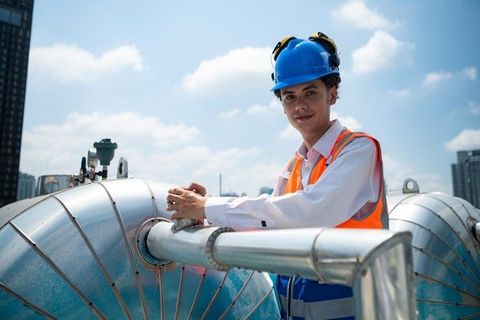
Workers may also face risks from rotating machinery, electrical equipment, hot surfaces, chemicals used in water treatment, and pressurized pipes. Facilities should follow relevant occupational safety requirements, equipment instructions, and established procedures for maintenance and handling treatment chemicals.
Industrial operators should verify the current rules that apply to their specific site rather than assuming that one national requirement covers every cooling system.
Tools and Resources
Several technical resources help engineers, facility managers, and industrial operators understand cooling requirements and monitor system operation. Their usefulness depends on the system type and the quality of the available operating data.
Cooling Load and System Calculations
Cooling load calculations estimate the heat that must be removed from a process. Basic heat-transfer calculations can use fluid flow rate, specific heat capacity, and the temperature difference between incoming and outgoing water.
For water, the approximate heat transfer rate can be calculated as:
[
Q = \dot{m} \times c_p \times \Delta T
]
Here, (Q) is the rate of heat transfer, (\dot{m}) is the water mass flow rate, (c_p) is the specific heat capacity of water, and (\Delta T) is the water temperature change. Engineering calculations may need additional corrections for system conditions, measurement uncertainty, and equipment performance.
Monitoring and Reference Resources
Useful resources include:
Manufacturer technical manuals: Explain equipment operating limits, flow requirements, maintenance intervals, and installation conditions.
Cooling tower selection tools: Help compare tower capacity, water flow, entering-air conditions, and required cooling temperatures.
Pump selection software: Supports evaluation of flow rate, pressure requirements, and pump operating characteristics.
Energy monitoring systems: Track electricity consumption, operating hours, and equipment performance.
Water quality testing tools: Measure properties such as pH, conductivity, hardness, and other parameters relevant to the treatment plan.
Bureau of Indian Standards and pollution-control guidance: Provide relevant technical standards and regulatory information where applicable.
A practical monitoring record may include supply and return water temperatures, flow rate, pump power, cooling tower condition, water treatment readings, and maintenance observations. Consistent records can help identify changes that require investigation.
FAQs
What is an industrial water cooling system?
An industrial water cooling system removes heat from machinery or industrial processes by circulating water through equipment and transferring the collected heat to another medium or the environment.
What are the main types of industrial water cooling systems?
Common types include cooling tower systems, industrial chillers, heat exchanger circuits, once-through cooling systems, and closed-loop recirculating systems. The appropriate design depends on heat load, water availability, temperature requirements, and environmental conditions.
How does an industrial cooling tower work?
A cooling tower brings warm water into contact with moving air. A portion of the water evaporates, removing heat from the remaining water, which is collected and circulated back into the cooling system.
How can industrial water cooling systems reduce energy use?
Energy use may be reduced through suitable equipment sizing, efficient pumps and fans, variable-speed controls, heat recovery, regular maintenance, and monitoring. Results depend on operating conditions and the existing system design.
What maintenance do industrial water cooling systems require?
Maintenance may include checking pumps, inspecting heat exchangers, cleaning strainers, monitoring water quality, controlling scale and biological growth, checking for leaks, and reviewing control-system readings. The required frequency depends on the equipment, operating environment, and manufacturer guidance.
Conclusion
Industrial water cooling systems remove heat from machinery and processes through water circulation, heat exchange, evaporation, or refrigeration. System design depends on cooling demand, water quality, environmental conditions, energy use, and the requirements of the industrial application. Digital monitoring, water conservation, and heat recovery are important areas of current development. Applicable environmental, water-management, and workplace safety requirements also influence system operation and maintenance.