Hydraulic Fluid Plants Guide: Processing Methods, Equipment Types and Industrial Applications
A Hydraulic Fluid Plants Guide explains how industrial facilities process, filter, blend, store, and distribute hydraulic fluids used in machinery. Hydraulic fluid plants may prepare new fluids, condition fluids for industrial use, or process used fluids for recovery and reuse. Their operations support industries that depend on hydraulic systems, including manufacturing, construction, agriculture, mining, transportation, and energy production.
Context
A Hydraulic Fluid Plants Guide explains how industrial facilities process, filter, blend, store, and distribute hydraulic fluids used in machinery. Hydraulic fluid plants may prepare new fluids, condition fluids for industrial use, or process used fluids for recovery and reuse. Their operations support industries that depend on hydraulic systems, including manufacturing, construction, agriculture, mining, transportation, and energy production.
Hydraulic systems transmit force through pressurized liquids. A pump moves the fluid through pipes, valves, and actuators, allowing machines to lift heavy loads, operate tools, control movement, and perform repetitive tasks. Hydraulic fluid plants exist to help maintain the fluid properties required for these systems, including suitable viscosity, lubrication, cleanliness, and resistance to oxidation.
Understanding Hydraulic Fluid Plants
A hydraulic fluid plant may be part of a lubricant manufacturing facility, an industrial fluid-conditioning operation, or a recycling facility. The equipment and processing steps depend on the incoming material and the intended output. A plant blending new hydraulic oil has different requirements from a facility that removes contaminants from used fluid.
Hydraulic fluids can contain mineral oils, synthetic base fluids, water-based formulations, and carefully selected additives. These materials differ in their temperature behavior, lubrication properties, fire resistance, and compatibility with system components. The selected fluid must match the machinery manufacturer's specifications and the operating environment.
Main Processing Stages
Hydraulic fluid processing generally involves several connected stages. The precise sequence varies according to the fluid type and the purpose of the facility.
Receiving and inspection: Incoming materials are identified, sampled, and checked for contamination or differences in composition.
Filtration: Suitable filters remove solid particles from the fluid.
Separation and dehydration: Specialized equipment may separate water, suspended material, or other unwanted substances.
Blending: Base fluids and selected additives are mixed according to a defined formulation when manufacturing new fluid.
Quality testing: Samples are examined to determine whether the fluid meets relevant specifications.
Storage and transfer: Tanks, pumps, pipes, and filling equipment move the processed fluid into appropriate containers or distribution systems.
Not every hydraulic fluid plant performs all these activities. Some facilities specialize in one processing stage, while integrated plants combine several operations under controlled conditions.
Importance
Hydraulic fluid quality directly affects machinery operation, component wear, temperature control, and system reliability. Contaminated or unsuitable fluid can contribute to blocked filters, damaged pumps, sticking valves, leakage, overheating, and unplanned equipment interruptions. Industrial facilities therefore need consistent methods for handling, testing, and maintaining hydraulic fluids.
Hydraulic fluid plants also matter because industrial liquids must be managed throughout their useful life. Dust, water, air, metal particles, and chemical degradation can gradually change fluid condition. Appropriate processing and monitoring can help identify problems and determine whether a fluid remains suitable for its intended application.
Industrial Problems Addressed by Fluid Processing
Different processing methods address different fluid problems. Solid particles may be removed through filtration, while dissolved water or certain volatile contaminants may require specialized separation equipment. Chemical degradation cannot always be reversed by ordinary filtration, so testing is necessary before deciding whether fluid conditioning is appropriate.
Plant operators also consider the consequences of using an incompatible fluid. Differences in viscosity, additive chemistry, seal compatibility, and fire resistance may affect the operation of hydraulic equipment. Following equipment specifications helps reduce the risk of damage caused by an unsuitable formulation.
Equipment Used in Hydraulic Fluid Plants
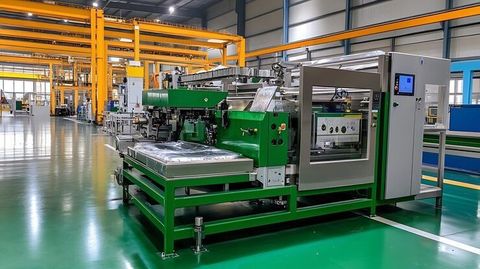
Hydraulic fluid plants can contain a range of equipment, depending on their production capacity and processing purpose.
Storage tanks: Hold base fluids, additives, finished products, or recovered fluids in designated conditions.
Industrial filtration units: Remove solid particles using filter elements selected for the fluid and required cleanliness level.
Centrifugal separators: Separate certain suspended materials or immiscible liquids using centrifugal force.
Vacuum dehydration units: Remove water from suitable fluids under reduced pressure.
Mixing and blending tanks: Combine base fluids and additives in controlled proportions.
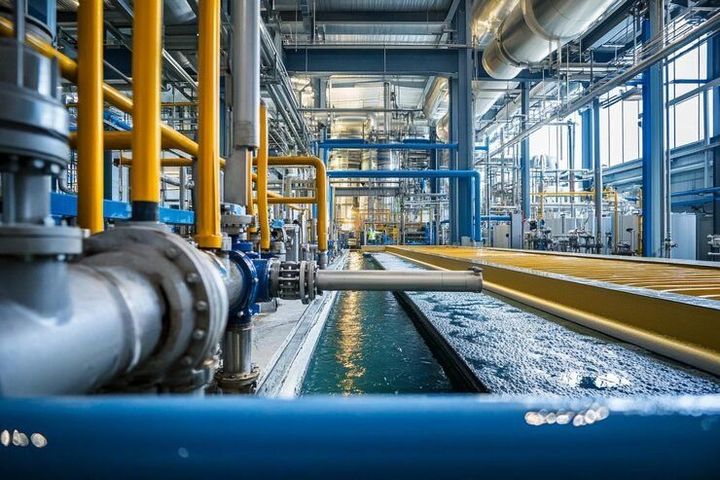
Transfer pumps and pipelines: Move liquids between processing stages and storage areas.
Laboratory instruments: Measure properties such as viscosity, water content, particle contamination, and acidity.
Equipment selection depends on the fluid's composition, contamination level, flow rate, operating temperature, and required quality specifications.
Comparing Common Processing Methods
| Processing method | Main purpose | Important limitation |
|---|---|---|
| Mechanical filtration | Removes solid particles | Does not remove all dissolved contaminants |
| Centrifugal separation | Separates certain liquids and suspended solids | Effectiveness depends on material properties |
| Vacuum dehydration | Reduces water content | Not suitable for every fluid formulation |
| Coalescing separation | Helps separate dispersed water from compatible oils | Depends on fluid chemistry and equipment design |
| Blending | Produces a specified fluid formulation | Requires accurate proportions and compatibility checks |
| Laboratory testing | Evaluates fluid condition and properties | Results depend on sampling and test methods |
These methods are not interchangeable. A plant may combine multiple techniques to achieve the required fluid condition.
Recent Updates
Hydraulic fluid processing has increasingly focused on condition monitoring, energy efficiency, contamination control, and the management of used industrial fluids. Developments from 2024 through 2026 reflect wider industrial interest in equipment reliability, resource efficiency, and data-supported maintenance. Specific technologies and adoption levels vary among manufacturers and facilities.
Digital Monitoring and Predictive Maintenance
Some industrial plants use sensors and digital monitoring systems to track operating conditions such as temperature, pressure, flow, and filter differential pressure. These measurements can help operators identify unusual changes before they develop into larger equipment problems. Fluid sampling and laboratory analysis remain important because ordinary operating sensors cannot measure every chemical or physical property.
Predictive maintenance systems may combine equipment readings with historical maintenance records and oil-analysis results. This information can help maintenance teams plan inspections and identify patterns associated with contamination or component wear. The accuracy of such assessments depends on sensor quality, data interpretation, and the operating conditions of the machinery.
Fluid Recycling and Environmental Management
Industrial facilities are paying greater attention to used-oil collection, fluid reclamation, and waste reduction. Filtration and dehydration can restore certain properties of some fluids, but they do not automatically remove every degradation product or restore depleted additives. Fluids that have undergone significant chemical deterioration may require more extensive treatment or appropriate disposal.
Another area of development involves biodegradable hydraulic fluids and formulations designed for particular environmental conditions. These fluids may be relevant in applications where leakage could affect soil or water, although their performance, compatibility, and environmental characteristics depend on the formulation. Product specifications and applicable environmental requirements remain important considerations.
Automation and Process Control
Automated valves, dosing systems, tank-level sensors, and computerized control equipment can improve consistency during fluid transfer and blending. Automated monitoring may also help record batch information and identify departures from established process limits. However, correct calibration, equipment maintenance, and trained oversight are still necessary.
Laws or Policies
Hydraulic fluid plants must follow the regulations applicable to their location, operations, materials, and waste streams. Relevant requirements may cover industrial safety, hazardous materials, environmental protection, worker exposure, storage tanks, emissions, and waste transport. Specific obligations depend on the type of fluid handled and the activities carried out at the facility.
Industrial and Environmental Regulations in India
In India, industrial facilities may be subject to the Environment (Protection) Act, 1986, and applicable rules or notifications issued under it. The Water (Prevention and Control of Pollution) Act, 1974, and the Air (Prevention and Control of Pollution) Act, 1981, may also apply to relevant operations. Depending on the facility, approvals or consents from the appropriate State Pollution Control Board or Pollution Control Committee may be required.
Used oil management is particularly relevant to hydraulic fluid plants that handle waste oils. India's Hazardous and Other Wastes (Management and Transboundary Movement) Rules, 2016, as amended, establish requirements for specified waste categories and their handling. Applicable responsibilities can include authorization, storage, recordkeeping, transport, recovery, and disposal. The exact requirements depend on the waste classification and the facility's role.
Workplace Safety and Fluid Handling
Hydraulic fluids may create hazards through skin contact, mist inhalation, spills, fire, or high-pressure leaks. Facilities need appropriate risk assessments, handling procedures, protective equipment, spill controls, and emergency arrangements. High-pressure hydraulic systems require particular care because escaping fluid can penetrate skin and cause serious injury.
Plant operators should consult relevant safety data sheets, equipment manuals, and applicable occupational safety requirements. Fluid storage areas also need suitable labeling, containment, and procedures to prevent incompatible materials from being mixed. Regulatory requirements should be verified against current national, state, and local rules.
Tools and Resources
Technical tools help hydraulic fluid plants monitor quality, manage equipment, and maintain consistent processing records. The appropriate tools depend on whether a facility manufactures new fluids, conditions fluids in operation, or handles used oil.
Fluid Testing and Monitoring Tools
Viscosity measurement instruments help determine how a fluid flows under specified conditions. Karl Fischer titration and other suitable analytical methods can measure water content, while particle-counting equipment can assess solid contamination. Additional laboratory tests may examine acidity, oxidation, additive condition, and wear-related elements.
Oil-analysis laboratories can interpret samples using established test methods. Results should be evaluated against the fluid manufacturer's specifications, the machinery manufacturer's requirements, and previous sample results. A single measurement may not fully describe the condition of a hydraulic fluid.
Industry Standards and Technical References
The International Organization for Standardization (ISO) publishes standards relevant to hydraulic fluids, contamination control, and cleanliness measurement. ISO 4406, for example, provides a coding method for reporting solid-particle contamination in hydraulic fluids. Other relevant standards may address fluid classification, testing procedures, and hydraulic system components.
The American Society for Testing and Materials (ASTM International) publishes methods used to evaluate lubricant properties. Equipment manuals, technical data sheets, and safety data sheets also provide information about fluid selection, handling, and operating limits. These resources help facilities interpret test results consistently.
Maintenance and Process Records
A fluid management spreadsheet or maintenance platform can record sample dates, fluid identification, equipment location, test results, filter changes, and corrective actions. Useful records include:
Fluid type and manufacturer specification.
Equipment operating hours and sampling history.
Water content, viscosity, and particle-count results.
Filter replacement and fluid conditioning records.
Waste-fluid quantities and transfer documentation.
Accurate records support trend analysis and help identify recurring contamination sources. They also provide documentation for maintenance planning and applicable environmental requirements.
FAQs
What is a hydraulic fluid plant?
A hydraulic fluid plant is a facility that may manufacture, blend, filter, dehydrate, test, store, or recover fluids used in hydraulic machinery. Its activities depend on the intended product and processing requirements.
What equipment is used in hydraulic fluid processing plants?
Common equipment includes storage tanks, filtration units, centrifugal separators, vacuum dehydration systems, blending tanks, transfer pumps, and laboratory instruments. The equipment configuration depends on the fluid and the required processing outcome.
How do hydraulic fluid plants remove water and contaminants?
Filtration removes suitable solid particles, while dehydration and separation equipment can reduce water content or separate certain liquids. The correct method depends on the contaminant, fluid chemistry, and required cleanliness level.
Can used hydraulic fluid be recycled?
Some used hydraulic fluids can undergo filtration, dehydration, or more extensive reclamation. Reuse depends on the fluid's condition, chemical stability, additive content, and the requirements of the intended application.
Which standards apply to hydraulic fluid plants in India?
Applicable requirements may include environmental legislation, hazardous-waste rules, workplace safety provisions, and relevant ISO or ASTM standards. The specific requirements depend on the facility's activities, fluid types, and waste-handling responsibilities.
Conclusion
Hydraulic fluid plants support industrial machinery by processing, testing, storing, and managing fluids used to transmit power. Their operations may involve filtration, dehydration, separation, blending, and laboratory analysis, depending on the facility's purpose. Digital monitoring and fluid recovery are increasingly relevant to industrial maintenance and resource management. Equipment specifications, fluid condition, workplace safety, and applicable environmental regulations all influence how these plants operate.