Industrial Equipment Production Units Guide: Manufacturing Methods, Systems and Key Features
Industrial equipment production units are manufacturing facilities where machines, mechanical components, electrical systems, and industrial tools are designed, assembled, tested, and prepared for use. These units support industries such as automotive manufacturing, food processing, construction, energy production, mining, agriculture, and material handling.
Context
Industrial equipment production units are manufacturing facilities where machines, mechanical components, electrical systems, and industrial tools are designed, assembled, tested, and prepared for use. These units support industries such as automotive manufacturing, food processing, construction, energy production, mining, agriculture, and material handling. An industrial equipment production units guide explains the manufacturing methods, production systems, equipment categories, and key features involved in these operations.
The development of industrial production units is closely connected to the Industrial Revolution, when mechanized manufacturing gradually replaced many forms of manual production. As factories expanded, manufacturers began using specialized machinery, standardized components, and organized production lines to increase output and maintain consistent product specifications. Modern production facilities combine mechanical engineering, electrical controls, computer systems, and quality inspection processes.
Types of Industrial Equipment Production Units
Industrial production units differ according to the equipment they manufacture and the processes they use. Some facilities produce complete machines, while others manufacture individual components or assemble equipment from parts produced elsewhere.
Common types include:
Heavy machinery production units: Manufacture construction equipment, mining machines, industrial presses, and large mechanical systems.
Precision equipment units: Produce components that require carefully controlled dimensions, surface finishes, and tolerances.
Electrical equipment units: Manufacture motors, generators, transformers, control panels, and power distribution components.
Automation equipment units: Assemble industrial robots, sensors, programmable controllers, and automated production systems.
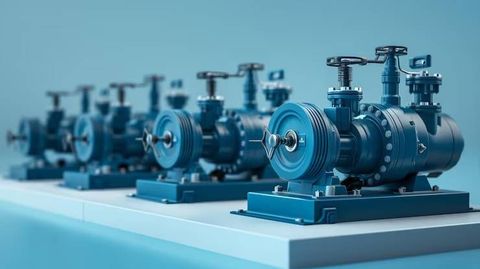
Process equipment units: Produce pumps, compressors, mixers, filtration equipment, and systems used in industrial processing.
Each type requires different machinery, technical skills, inspection methods, and workplace arrangements. The design of a production unit depends on the equipment's intended use, production volume, material requirements, and applicable safety standards.
Main Stages of Industrial Equipment Manufacturing
Industrial equipment manufacturing generally follows a sequence of connected activities. The exact process depends on the complexity of the product and the production method.
The process commonly begins with product design and engineering. Technical drawings, material specifications, performance requirements, and component dimensions are established before production starts. Materials are then prepared, shaped, machined, or processed according to the design.
After component manufacturing, parts may undergo heat treatment, surface finishing, welding, or coating. Workers or automated systems then assemble the components, install electrical and control systems, and conduct inspections. Final testing checks whether the equipment operates according to its specified requirements before packaging and dispatch.
Importance
Industrial equipment production units play an important role in the supply chains that support modern infrastructure and manufacturing. Factories depend on equipment to move materials, shape metal, process products, generate power, control temperatures, and perform repetitive operations. Construction companies, agricultural businesses, utilities, and logistics facilities also depend on machinery produced by specialized manufacturers.
The efficiency and reliability of these production units can influence manufacturing output, product consistency, delivery schedules, and workplace safety. Poorly controlled production processes may lead to defective components, equipment failures, material waste, and delays in downstream operations.
Key Features of Industrial Production Systems
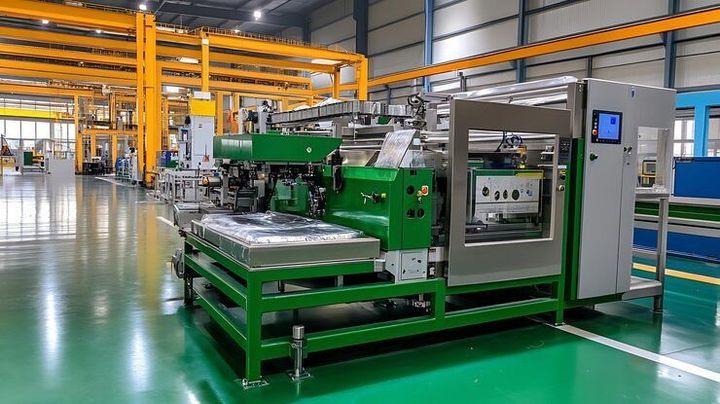
A production unit usually combines several systems that work together to manufacture equipment.
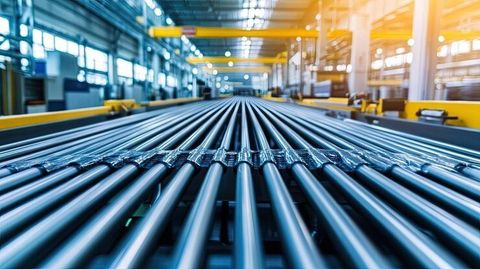
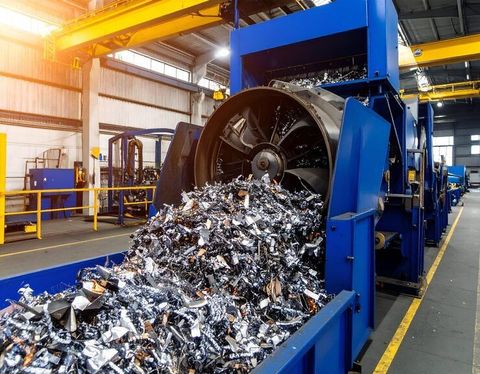
Material handling: Conveyors, cranes, forklifts, and storage systems move raw materials and components between production stages.
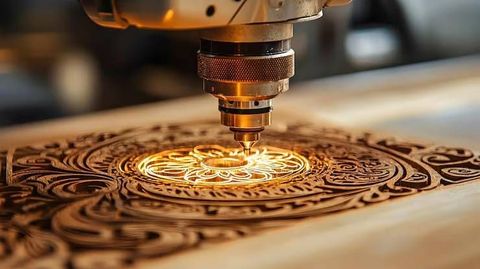
Machining and fabrication: Lathes, milling machines, cutting equipment, presses, and welding systems shape materials into required forms.
Assembly systems: Workstations, fixtures, lifting equipment, and fastening tools help combine components into complete products.
Quality control: Measuring instruments, inspection equipment, and testing procedures check dimensions, materials, and operational performance.
Production monitoring: Sensors and computer systems track equipment status, production progress, and selected process variables.
Maintenance systems: Scheduled inspections and repairs help identify wear, damage, and operating problems.
The arrangement of these systems affects how materials move through a factory. A well-planned layout can reduce unnecessary movement, improve access for maintenance, and separate activities that require different safety controls.
Comparing Manufacturing Methods
Different manufacturing methods suit different product designs, quantities, and levels of customization.
| Manufacturing method | Main characteristics | Common applications |
|---|---|---|
| Job-based production | Individual products or small batches | Custom machinery and specialized equipment |
| Batch production | Products manufactured in defined groups | Pumps, motors, and industrial components |
| Mass production | Large quantities of standardized products | Common machine parts and electrical components |
| Assembly-line production | Work divided into sequential stages | Vehicles and industrial machines |
| Flexible manufacturing | Computer-controlled equipment handles varied tasks | Precision components and mixed product ranges |
| Additive manufacturing | Components built layer by layer | Prototypes and selected specialized parts |
These methods are not mutually exclusive. A manufacturer may use machining for individual components, batch production for repeated parts, and assembly-line methods for final equipment integration.
Recent Updates
Industrial equipment production has increasingly incorporated digital technologies, connected machinery, automation, and data-based production planning. Across 2024–2026, manufacturers have continued exploring ways to improve process visibility, energy efficiency, equipment reliability, and flexibility. Adoption varies according to factory size, investment capacity, product complexity, and technical requirements.
Automation and Smart Manufacturing
Smart manufacturing combines industrial equipment with sensors, control systems, software, and production data. Sensors can monitor temperature, vibration, pressure, speed, and other operating conditions. Industrial software can organize this information to help operators identify unusual changes and understand production performance.
Robots and automated handling systems are used for activities such as welding, material movement, machine loading, and repetitive assembly. Programmable logic controllers coordinate equipment operations, while industrial communication networks allow machines and monitoring systems to exchange information.
Artificial intelligence is also being explored for predictive maintenance, visual inspection, production scheduling, and process optimization. These applications depend on suitable data, reliable system integration, and human oversight. Automated analysis does not remove the need for physical inspections, safety procedures, or engineering validation.
Energy Efficiency and Digital Monitoring
Manufacturers are paying greater attention to electricity consumption, compressed-air losses, heat management, and the operating efficiency of motors and pumps. Energy monitoring systems can identify periods of high consumption and help facilities understand how equipment use affects overall demand.
Digital twins and equipment simulations are also used in some manufacturing environments. A digital twin is a digital representation of a physical asset or process that can use operational or design data to support analysis. Its usefulness depends on the accuracy of the model and the quality of the information available.
Cybersecurity has become another important consideration as production equipment connects to factory networks. Unauthorized access, software vulnerabilities, and network disruptions can affect industrial operations. Manufacturers therefore need suitable access controls, network protection, software maintenance, and recovery procedures.
Laws or Policies
Industrial equipment production units must comply with regulations covering workplace safety, machinery operation, environmental protection, electrical systems, and product quality. Requirements differ by country, industry, equipment category, and intended market. Manufacturers exporting equipment may also need to meet the regulations of the destination country.
Industrial Manufacturing Regulations in India
In India, industrial production facilities may be subject to applicable factory and occupational safety requirements, state-level rules, environmental permissions, and electrical safety regulations. The Occupational Safety, Health and Working Conditions Code, 2020, forms part of India's labour-law framework, with applicability depending on its commencement and relevant implementing provisions. Existing applicable requirements must also be considered where relevant.
Factories may need to follow requirements relating to machine guarding, hazardous processes, worker training, emergency arrangements, and the safe handling of materials. Environmental requirements can involve emissions, wastewater, waste management, and permissions administered by the relevant authorities, including state pollution control boards.
Product Standards and Equipment Safety
The Bureau of Indian Standards develops Indian Standards for various products, materials, processes, and testing methods. Whether a particular standard is voluntary or mandatory depends on the product and applicable government notifications. Certain electrical products and other specified categories may be covered by compulsory certification or conformity requirements.
Industrial equipment manufacturers also need to consider design documentation, electrical protection, safe operating instructions, and testing records. Depending on the equipment and destination market, relevant international standards, including selected ISO and IEC standards, may help establish technical and safety requirements.
Compliance is not identical for every production unit. The applicable rules depend on the factory's activities, the machinery being manufactured, and the jurisdictions in which the equipment will be installed or used.
Tools and Resources
Several technical tools help manufacturers plan production, monitor machinery, inspect components, and manage equipment documentation. The appropriate tools depend on production scale, manufacturing methods, and the technical requirements of the product.
Engineering and Production Software
Computer-aided design (CAD) software is used to create component drawings, assemblies, and three-dimensional models. Computer-aided manufacturing (CAM) software translates design information into instructions for compatible manufacturing equipment, including many computer numerical control machines.
Manufacturing execution systems (MES) help monitor production activities, work orders, material usage, and manufacturing progress. Enterprise resource planning (ERP) systems can coordinate purchasing, inventory, production planning, and financial records. Integration between these systems varies by software configuration and factory requirements.
Inspection and Maintenance Tools
Production facilities use instruments such as calipers, micrometers, gauges, coordinate measuring machines, vibration analyzers, and thermal cameras. These tools help inspect dimensions, identify abnormal operating conditions, and assess selected equipment characteristics.
Computerized maintenance management systems (CMMS) organize inspection schedules, maintenance records, spare parts, and repair activities. Manufacturers can also use equipment manuals, technical drawings, and maintenance checklists to establish consistent procedures.
Useful Technical Resources
The following organizations publish standards, technical guidance, or manufacturing-related information:
Bureau of Indian Standards (BIS): Indian product standards and conformity information.
International Organization for Standardization (ISO): International standards covering quality management, manufacturing, and related technical areas.
International Electrotechnical Commission (IEC): Standards for electrical, electronic, and associated technologies.
Ministry of Labour and Employment, India: Information on relevant labour legislation and occupational safety requirements.
Central Pollution Control Board (CPCB): Environmental guidance and regulatory information relevant to industrial activities.
These resources help manufacturers understand applicable technical and regulatory requirements. The relevant standard or regulation should be identified according to the equipment type and operating location.
FAQs
What are industrial equipment production units?
Industrial equipment production units are facilities that manufacture, assemble, inspect, or test machinery and industrial components. They may specialize in heavy machinery, electrical equipment, automation systems, or process equipment.
Which manufacturing methods are used in industrial equipment production?
Common methods include job-based production, batch manufacturing, mass production, assembly-line production, flexible manufacturing, and additive manufacturing. The selected method depends on product complexity, production volume, and required precision.
What systems are used in industrial equipment manufacturing?
Production facilities may use machining equipment, robotic systems, conveyors, programmable controllers, quality inspection tools, and manufacturing software. These systems support material movement, component production, assembly, and testing.
How does automation improve industrial production units?
Automation can perform repetitive tasks, coordinate machinery, and collect production data. Its effect depends on equipment design, system integration, maintenance, and the suitability of the process being automated.
Which regulations apply to industrial equipment production units in India?
Applicable requirements may cover factory safety, environmental protection, electrical safety, and product standards. The precise obligations depend on the facility, equipment category, applicable legislation, and relevant government notifications.
Conclusion
Industrial equipment production units combine manufacturing methods, machinery, assembly systems, inspection processes, and production management tools. Automation, digital monitoring, and energy management are influencing how these facilities operate, although implementation differs across industries. In India, industrial manufacturers must consider relevant workplace safety, environmental, electrical, and product compliance requirements. Understanding these elements provides a clear overview of how industrial equipment is manufactured and how production systems function.