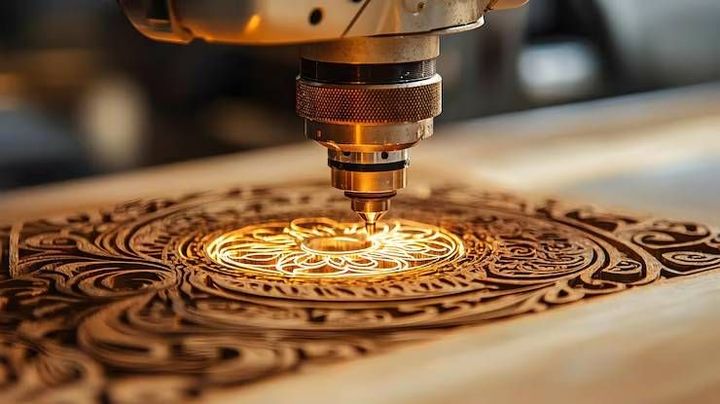
CNC Laser Cutters Guide: Machine Types, Cutting Processes, Features and Industrial Uses
A CNC laser cutter is a computer-controlled machine that uses a concentrated laser beam to cut, engrave, or mark materials according to digital design instructions. CNC stands for Computer Numerical Control, a method of controlling machinery through programmed movements. CNC laser cutters are widely used in manufacturing, metal fabrication, electronics, automotive production, signage, and product development because they can create detailed shapes with controlled dimensions.
Context
A CNC laser cutter is a computer-controlled machine that uses a concentrated laser beam to cut, engrave, or mark materials according to digital design instructions. CNC stands for Computer Numerical Control, a method of controlling machinery through programmed movements. CNC laser cutters are widely used in manufacturing, metal fabrication, electronics, automotive production, signage, and product development because they can create detailed shapes with controlled dimensions.
Laser cutting developed from advances in laser technology and industrial automation. As computer-controlled equipment became more widely adopted, manufacturers began using digital drawings to guide cutting operations with greater consistency. Modern systems combine laser sources, motion-control equipment, focusing optics, software, and material-handling components.
Understanding CNC Laser Cutter Types
CNC laser cutters differ according to their laser source, power, cutting method, and intended materials. Selecting an appropriate machine depends on material thickness, required precision, production volume, and the design being processed.
Common machine types include:
Fiber laser cutters: Use a solid-state laser source and are widely used for cutting metals such as steel, stainless steel, aluminum, and brass, subject to machine specifications.
CO2 laser cutters: Use a gas-based laser source and are commonly used for materials such as wood, acrylic, paper, textiles, and certain nonmetallic materials. Specialized systems can also process some metals.
Crystal laser systems: Use solid-state crystal materials to generate a laser beam. Their applications depend on the laser configuration and the materials being processed.
Laser engraving machines: Focus on creating surface markings, patterns, and engraved details. Some models can also cut thin materials.
Combination cutting systems: Integrate laser cutting with other manufacturing functions, such as marking or automated material handling.
These categories are not interchangeable. Material compatibility, available power, optical design, and the manufacturer's operating limits determine what a particular machine can process.
Importance
CNC laser cutters help manufacturers produce components with complex outlines, narrow openings, and detailed patterns. Traditional cutting methods may require dedicated dies, mechanical contact, or multiple processing stages. Laser cutting can reduce some of these requirements, although the practical result depends on the material, machine configuration, and production process.
The technology is relevant to large factories, small fabrication workshops, engineering teams, and educational laboratories. It supports applications ranging from sheet-metal enclosures and machine panels to decorative components, electronic housings, and prototype parts.
How CNC Laser Cutting Works
The cutting process begins with a digital drawing or computer-aided design file. Specialized software converts the design into instructions that control the laser head, cutting path, speed, and other machine settings.
During operation, the laser source generates a beam that is directed through optical components and focused onto the material. The concentrated energy heats the target area, melting, vaporizing, or otherwise separating material depending on the process. An assist gas may help remove molten material and influence the quality of the cut.
The main stages generally include:
Design preparation: A CAD drawing defines the shape, dimensions, and cut locations.
Toolpath generation: Computer-aided manufacturing software translates the design into machine instructions.
Material setup: The sheet or workpiece is positioned and secured according to machine requirements.
Cutting: The laser follows the programmed path while the control system manages movement and cutting parameters.
Inspection: The finished component is checked for dimensions, edge quality, and visible defects.
Cutting Processes and Key Features
Different laser processes suit different materials and production requirements. Fusion cutting melts material and uses an assist gas to remove it, while flame cutting uses an oxygen-based reaction to support cutting in suitable metals. Vaporization cutting removes material through intense heating, and engraving changes the surface to create a visible pattern or marking.
Important CNC laser cutter features include laser power, cutting-bed dimensions, motion accuracy, focusing systems, material sensors, software compatibility, and extraction equipment. Automated loading systems and nesting software can also help organize production by arranging multiple parts on a sheet.
Recent Updates
CNC laser cutting continues to develop through improvements in laser sources, machine controls, software, and factory automation. Recent industry trends from 2024 through 2026 include greater use of high-power fiber lasers in metal fabrication, improved process monitoring, more connected manufacturing equipment, and wider integration with automated material-handling systems. The availability and performance of these capabilities vary between machines and manufacturers.
Automation and Intelligent Monitoring
Some modern laser cutting systems incorporate sensors and software that monitor cutting conditions, identify process irregularities, and help operators adjust parameters. Automated nozzles, material-positioning systems, and robotic loading equipment can reduce manual handling in suitable production environments.
Software improvements also help manufacturers arrange components on sheets, calculate cutting paths, and coordinate multiple production steps. These tools can support material planning and workflow management, but they still require correct design files, suitable settings, and operator oversight.
Energy Efficiency and Production Quality
Manufacturers continue to examine energy consumption, compressed-gas requirements, extraction systems, and material utilization. Fiber laser technology can provide advantages in electrical efficiency for certain metal-cutting applications compared with some older laser configurations. Actual energy use depends on the machine, cutting conditions, auxiliary equipment, and production schedule.
Quality monitoring is another area of development. Cameras, sensors, and software-based inspection can help detect some cutting defects or inconsistencies. However, inspection requirements remain important because surface appearance alone may not establish that a component meets all dimensional or structural specifications.
Laws or Policies
CNC laser cutter operations are affected by workplace safety regulations, electrical requirements, environmental rules, equipment standards, and local industrial permissions. The exact requirements depend on the country, the type of laser, the installation, and the materials being processed.
Industrial Laser Safety in India
In India, workplaces using CNC laser cutters must consider applicable occupational safety requirements, factory regulations, electrical safety provisions, and relevant state rules. The Occupational Safety, Health and Working Conditions Code, 2020, forms part of India's labor-law framework, with practical obligations depending on applicable commencement provisions, rules, and the establishment's circumstances.
Laser equipment can create hazards from direct or reflected radiation, hot materials, fire, fumes, and electrical components. Enclosed cutting systems, appropriate interlocks, protective eyewear suited to the laser wavelength, ventilation, and operator training may be important parts of a suitable safety arrangement.
Environmental and Equipment Requirements
Cutting metals, plastics, wood, and coated materials can generate fumes, particles, or residues. Workplaces should assess extraction and filtration needs, material safety information, and the applicable environmental and waste-management requirements. Certain materials may release hazardous substances when heated and should not be processed without confirming their suitability for the equipment.
Electrical installations, machine guarding, fire prevention, and maintenance procedures also require attention. International standards, including relevant IEC laser-safety standards and ISO machinery-safety standards, may inform equipment design and risk assessment, depending on the machine and applicable requirements.
Tools and Resources
Several digital and technical resources help users understand CNC laser cutters, prepare designs, and plan manufacturing tasks. The appropriate tools depend on whether the goal is education, prototyping, production planning, or equipment operation.
Design and Manufacturing Software
Computer-aided design software is used to create two-dimensional profiles and three-dimensional models. Programs such as AutoCAD, Autodesk Fusion, and SolidWorks support design work, while laser-specific software may prepare cutting paths and control compatible machines.
Nesting software arranges parts on sheets to manage material use and cutting order. Some systems also account for kerf, which is the width of material removed during cutting. Correct kerf compensation matters when components must fit together precisely.
Technical Information and Planning Tools
Manufacturer manuals provide machine limits, compatible materials, maintenance schedules, and operating instructions. Technical data sheets help identify material thickness, surface coatings, and other characteristics that may affect cutting.
Useful planning resources include:
Material-thickness charts: Help compare recommended processing ranges for particular machine configurations.
Cutting parameter tables: Document suitable starting settings for materials, thicknesses, assist gases, and cutting speeds.
CAD templates: Provide repeatable drawing dimensions and component layouts.
Maintenance logs: Track lens condition, nozzle inspection, filter replacement, and routine equipment checks.
Quality inspection sheets: Record dimensions, edge condition, cut completeness, and observed defects.
Parameter charts should be treated as starting references rather than universal instructions. Machine calibration, material composition, surface condition, and manufacturer guidance all influence the final settings.
FAQs
What is a CNC laser cutter used for?
A CNC laser cutter is used to cut, engrave, or mark materials according to digital design instructions. Common applications include metal components, machine panels, electronic enclosures, signage, decorative parts, and prototypes.
What is the difference between fiber and CO2 laser cutters?
Fiber laser cutters are widely used for metal processing, while CO2 laser cutters commonly process wood, acrylic, paper, and textiles. Suitability depends on the exact material, machine configuration, and manufacturer specifications.
Which materials can a CNC laser cutter process?
Depending on the machine, materials may include steel, aluminum, acrylic, wood, paper, and selected textiles. Some plastics and coated materials can produce hazardous fumes, so material compatibility must be verified before cutting.
What factors affect CNC laser cutting quality?
Laser power, cutting speed, focus position, assist gas, material thickness, and machine condition all influence cut quality. Design accuracy and proper maintenance also affect the finished dimensions and edge appearance.
What safety measures are important for CNC laser cutters?
Important measures include suitable laser enclosures, functioning safety interlocks, appropriate ventilation, fire prevention, electrical safeguards, and operator training. The required controls depend on the laser system and the materials being processed.
Conclusion
CNC laser cutters combine digital design, focused laser energy, and computer-controlled movement to produce components from a range of materials. Machine types, cutting processes, software, and automation features determine their suitability for different industrial applications. Safe operation requires attention to laser radiation, fumes, electrical hazards, maintenance, and applicable regulations. Understanding these factors provides a practical foundation for evaluating CNC laser cutting technology.