Trending Rubber Sheet Explained: Types, Materials, Applications, Benefits and Key Features
A trending rubber sheet is a flat, flexible material made from natural rubber, synthetic rubber, or a combination of rubber compounds. Rubber sheets are used in manufacturing, construction, transportation, agriculture, and household applications because they can provide flexibility, cushioning, sealing, and resistance to different environmental conditions. Interest in rubber sheet materials is connected to the need for durable components in machinery, buildings, vehicles, and industrial equipment.
Context
A trending rubber sheet is a flat, flexible material made from natural rubber, synthetic rubber, or a combination of rubber compounds. Rubber sheets are used in manufacturing, construction, transportation, agriculture, and household applications because they can provide flexibility, cushioning, sealing, and resistance to different environmental conditions. Interest in rubber sheet materials is connected to the need for durable components in machinery, buildings, vehicles, and industrial equipment.
Natural rubber originally comes from latex collected from rubber trees, particularly Hevea brasiliensis. Synthetic rubber is produced through chemical processes using petroleum-based or other industrial feedstocks. Both types can be processed into sheets with different thicknesses, surface finishes, hardness levels, and physical properties to suit particular applications.
Understanding Rubber Sheet Materials
Rubber sheets are generally manufactured by mixing rubber with selected additives, shaping the compound into a sheet, and applying curing processes when required. Curing, often called vulcanization, creates chemical links within the rubber structure, helping the material retain its shape and mechanical properties under intended conditions.
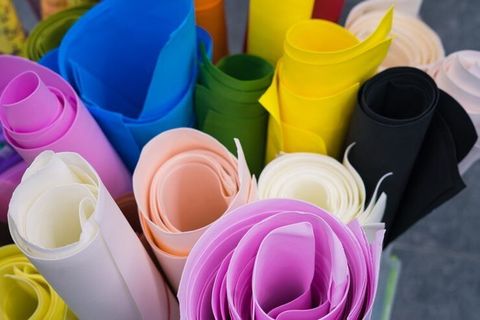
A rubber sheet may be smooth, textured, reinforced, or specially formulated for exposure to oil, heat, weather, or chemicals. Its suitability depends on the rubber compound, manufacturing method, thickness, and operating environment rather than appearance alone.
Common Types of Rubber Sheets
Several rubber sheet types are used across different industries:
Natural rubber sheets: Made primarily from natural rubber and known for elasticity, tear resistance, and flexibility in many applications.
Neoprene rubber sheets: Produced from chloroprene rubber and commonly used where weathering, moderate oil exposure, and general industrial durability matter.
Nitrile rubber sheets: Made from nitrile butadiene rubber and used in applications requiring resistance to many oils and fuels.
EPDM rubber sheets: Made from ethylene propylene diene monomer rubber and commonly selected for outdoor exposure, ozone resistance, and weather protection.
Silicone rubber sheets: Used in applications requiring flexibility across a broad temperature range, depending on the specific formulation.
Butyl rubber sheets: Known for low gas permeability and used in selected sealing, lining, and insulation applications.
These materials have different strengths and limitations. No single rubber compound is suitable for every temperature, chemical, load, or operating condition.
Importance
Rubber sheets play an important role in equipment protection, vibration control, sealing, and surface protection. Their flexibility allows them to fit around components, absorb some mechanical movement, and create barriers between surfaces. This makes them relevant to manufacturers, maintenance teams, construction workers, vehicle producers, and other users of industrial materials.
Selecting an unsuitable sheet can lead to cracking, swelling, hardening, leakage, or premature wear. For example, a rubber sheet that performs well under ordinary outdoor conditions may deteriorate when exposed to particular oils or concentrated chemicals. Understanding material properties helps users assess whether a sheet is appropriate for its intended purpose.
Applications Across Industries
Rubber sheets are used in many settings because their physical properties can be adapted to different requirements.
Manufacturing: Used for gaskets, seals, machine linings, protective pads, and vibration-damping components.
Construction: Applied in selected waterproofing systems, expansion joints, protective layers, and building seals.
Automotive and transportation: Used in sealing strips, floor mats, cushioning components, and selected vibration-control parts.
Agriculture: Applied in equipment pads, protective liners, and components exposed to regular movement or outdoor conditions.
Electrical applications: Certain specially formulated rubber sheets provide electrical insulation when their ratings and installation conditions are appropriate.
Food processing: Specific compliant rubber grades may be used in equipment seals and contact surfaces when they meet relevant food-contact requirements.
The exact application depends on product specifications and applicable standards. A general-purpose rubber sheet should not automatically be treated as suitable for food contact, electrical insulation, or critical industrial sealing.
Benefits and Key Features
Rubber sheet materials can provide several useful characteristics, depending on their formulation:
Flexibility: Allows the material to bend and conform to some surfaces.
Elasticity: Enables many rubber compounds to return toward their original shape after deformation.
Cushioning: Helps absorb impacts and reduce direct contact between components.
Sealing ability: Supports the creation of barriers against air, water, dust, or other substances when properly designed and installed.
Environmental resistance: Certain formulations withstand sunlight, ozone, moisture, oils, or chemicals better than others.
Customizable dimensions: Sheets are available in different thicknesses, widths, lengths, hardness levels, and surface patterns.
These characteristics are not identical across all products. Performance depends on compound selection, manufacturing quality, installation, and operating conditions.
Comparing Rubber Sheet Types
| Rubber type | Main characteristics | Common applications |
|---|---|---|
| Natural rubber | High elasticity and good tear resistance | Cushioning, impact pads |
| Neoprene | Weather resistance and moderate oil resistance | General industrial seals |
| Nitrile rubber | Resistance to many oils and fuels | Oil-resistant gaskets and liners |
| EPDM | Weather, ozone, and moisture resistance | Outdoor seals and roofing applications |
| Silicone | Flexibility across a broad temperature range | Selected thermal and sealing applications |
| Butyl rubber | Low gas permeability | Linings and specialized seals |
This comparison provides general guidance only. The technical data sheet for a particular compound should determine its suitability for a specific application.
Recent Updates
From 2024 through 2026, rubber sheet development has continued to reflect broader manufacturing priorities, including material efficiency, durability, environmental considerations, and more precise application requirements. These developments do not mean that every manufacturer has adopted the same technologies or that all newer materials provide identical improvements.
Material Innovation and Manufacturing Technology
Manufacturers can adjust rubber compounds by changing polymers, fillers, curing systems, and other additives. Computer-controlled mixing, more consistent thickness measurement, and improved process monitoring can support product consistency when properly implemented. Reinforced rubber sheets may also combine rubber with fabric or other materials to improve strength or dimensional stability for specific uses.
Research into recycled rubber, renewable feedstocks, and alternative compounding ingredients continues in parts of the rubber industry. However, recycled content and renewable materials can affect mechanical properties, chemical compatibility, and long-term performance. Their suitability must be assessed against the requirements of the intended application.
Sustainability and Quality Control
Rubber production and disposal raise environmental questions involving raw materials, energy use, emissions, and waste management. Some manufacturers are exploring ways to extend product life, reuse production waste, and improve material traceability. The environmental impact varies by material, production process, transportation, and end-of-life treatment.
Quality control is also important in applications involving pressure, chemicals, electrical insulation, or food contact. Testing may examine tensile strength, elongation, hardness, compression set, temperature resistance, and chemical compatibility. The relevant tests depend on the product's intended use and applicable technical standards.
Laws or Policies
Rubber sheet manufacturing and use are influenced by product safety requirements, environmental regulations, workplace rules, and technical standards. The applicable framework depends on the country, the material's intended use, and whether the product is used in a general-purpose or regulated application.
Standards and Industrial Requirements in India
In India, the Bureau of Indian Standards (BIS) develops and publishes Indian Standards for various materials and products. Relevant standards may address rubber properties, test methods, dimensions, or particular applications. Whether a specific rubber sheet requires compliance with a particular standard or certification depends on the product category and applicable regulations.
Manufacturers and users may also need to consider workplace safety, chemical handling, fire safety, and environmental requirements. Industrial facilities must assess risks associated with machinery, dust, chemicals, heat, and other manufacturing conditions according to applicable rules.
Chemical Safety and Product Suitability
Rubber compounds can contain additives that affect their performance and handling requirements. Safety data sheets and technical data sheets can provide information about composition hazards, recommended handling practices, physical properties, and material limitations.
For products intended for drinking-water contact, food processing, medical applications, or electrical insulation, additional requirements may apply. Compliance should be confirmed for the exact product and intended use rather than inferred from the generic name of the rubber material.
Tools and Resources
Several technical resources help users understand rubber sheet properties and compare material specifications. These resources are relevant to maintenance personnel, engineers, procurement teams, manufacturers, and general readers researching industrial materials.
Technical Data Sheets and Material Guides
A technical data sheet typically describes properties such as hardness, tensile strength, elongation, density, temperature range, and chemical resistance. Manufacturer material guides can explain differences between rubber compounds and identify limitations under particular conditions.
Safety data sheets provide information about relevant chemical hazards and safe handling. They serve a different purpose from technical data sheets and should not be used as a substitute for detailed performance specifications.
Standards and Material Selection Tools
The Bureau of Indian Standards website provides information about Indian Standards and related conformity requirements. International Organization for Standardization (ISO) publications and ASTM International test methods can also help readers understand standardized rubber testing, subject to the scope and applicability of each document.
Material selection worksheets can record the operating temperature, expected load, exposure to oils or chemicals, outdoor conditions, required thickness, and relevant compliance requirements. Comparing these factors against documented material specifications can help narrow the available options.
FAQs
What are the main types of rubber sheets?
Common types include natural rubber, neoprene, nitrile, EPDM, silicone, and butyl rubber sheets. Each has different properties, so the appropriate type depends on the application and environmental exposure.
What are rubber sheets used for in industry?
Industrial rubber sheets are used for gaskets, seals, protective linings, vibration-damping pads, cushioning, and selected insulation applications. The required material depends on temperature, pressure, chemical exposure, and mechanical demands.
How do I choose a rubber sheet material?
Consider operating temperature, hardness, thickness, mechanical load, weather exposure, and contact with oils or chemicals. Review the manufacturer's technical data and relevant standards before selecting a material for a specialized application.
Which rubber sheet is suitable for outdoor applications?
EPDM is commonly used for outdoor applications because it offers good resistance to weathering and ozone. Other materials may be suitable depending on the temperature, mechanical demands, and substances present.
What standards apply to rubber sheets in India?
Applicable requirements depend on the rubber sheet type and its intended use. BIS standards, relevant industry specifications, and regulations for specialized applications may apply, so the exact product category should be checked.
Conclusion
Rubber sheets are versatile materials available in natural and synthetic formulations with different physical and chemical properties. Their applications include manufacturing, construction, transportation, agriculture, sealing, cushioning, and selected insulation tasks. Recent developments emphasize manufacturing consistency, material efficiency, recycling, and application-specific testing. Understanding the compound, technical specifications, and applicable standards helps explain whether a rubber sheet is suitable for its intended operating conditions.