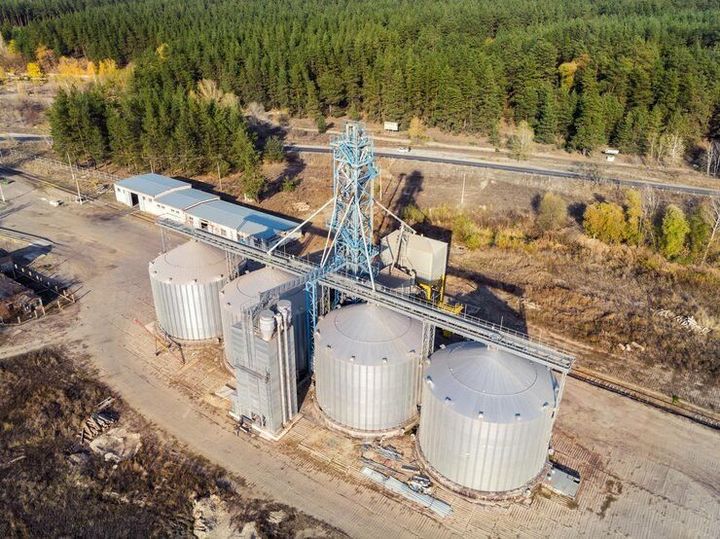
Direct Lithium Extraction Equipment Guide: Technologies, Functions, Benefits and Selection Factors
Direct Lithium Extraction (DLE) equipment refers to the machinery and processing systems used to separate lithium from liquid sources, particularly underground brines and certain geothermal fluids. Lithium is an important raw material for rechargeable batteries used in electric vehicles, portable electronics, and energy storage systems. As interest in battery manufacturing and energy storage has expanded, technologies that can recover lithium from different sources have received increased attention.
Context
Direct Lithium Extraction (DLE) equipment refers to the machinery and processing systems used to separate lithium from liquid sources, particularly underground brines and certain geothermal fluids. Lithium is an important raw material for rechargeable batteries used in electric vehicles, portable electronics, and energy storage systems. As interest in battery manufacturing and energy storage has expanded, technologies that can recover lithium from different sources have received increased attention.
Traditional lithium production from brines often involves pumping mineral-rich water into large evaporation ponds, where water gradually evaporates and lithium becomes more concentrated. This process can require extensive land and long processing periods, depending on the climate and brine composition. Direct lithium extraction equipment uses alternative methods to capture lithium from liquids, potentially reducing reliance on prolonged evaporation.
Main Components of DLE Equipment
A direct lithium extraction plant usually contains several connected systems. The exact equipment depends on the extraction technology, the chemical composition of the brine, and the required lithium product.
Common components include:
Brine intake and pumping systems: Move lithium-containing liquid from a well or processing source into the plant.
Filtration equipment: Removes suspended particles that could interfere with extraction materials or downstream machinery.
Lithium extraction units: Use adsorbents, ion-exchange materials, membranes, or solvents to separate lithium from other dissolved substances.
Washing and regeneration systems: Recover captured lithium and prepare extraction materials for another operating cycle.
Purification equipment: Removes unwanted substances from the lithium-rich solution.
Concentration and product processing units: Prepare the recovered material for conversion into a specified lithium compound.
Monitoring and control systems: Track pressure, temperature, flow rates, chemical conditions, and equipment performance.
These components operate together, although some plants combine several functions into integrated processing units.
Importance
Direct lithium extraction equipment matters because lithium recovery involves complex chemical mixtures rather than isolated lithium alone. Natural brines can contain sodium, potassium, magnesium, calcium, and other dissolved elements. Their concentrations vary between geological formations, meaning an extraction method suitable for one source may perform differently with another.
DLE technology is relevant to mining companies, chemical processors, battery-material producers, equipment manufacturers, and communities near lithium projects. Its development may also influence how existing geothermal resources and previously underused brine deposits are evaluated.
Benefits and Practical Challenges
DLE equipment can provide several potential advantages, depending on the site and process design.
Selective separation: Certain extraction materials can capture lithium while allowing many other dissolved substances to pass through.
Reduced dependence on evaporation ponds: Some DLE processes operate in enclosed equipment rather than relying on large evaporation areas.
Potentially shorter processing cycles: Some systems capture and release lithium over relatively short operating cycles, although total plant processing time varies.
Process monitoring: Sensors and automated controls can help operators maintain stable operating conditions.
Resource flexibility: Different DLE technologies may be adapted to selected brines and geothermal fluids.
However, these potential benefits do not apply equally to every project. Equipment performance depends on lithium concentration, competing ions, temperature, pressure, chemical consumption, and the durability of extraction materials.
Water management is another important consideration. Some systems return treated brine underground, while others require additional handling or treatment. Water consumption, energy use, waste generation, and the effects of reinjection must be assessed for each project rather than assumed to be lower than those of conventional methods.
Comparing DLE Technologies
Different extraction technologies separate lithium through different physical or chemical mechanisms.
| Technology | How it works | Important consideration |
|---|---|---|
| Adsorption | Lithium attaches to a specialized solid material | Selectivity and material regeneration |
| Ion exchange | Lithium ions exchange with ions held by a solid medium | Chemical conditions and competing ions |
| Membrane separation | Membranes separate ions or liquid components under specific conditions | Membrane selectivity, pressure, and fouling |
| Solvent extraction | Lithium transfers between liquid phases using selected chemical compounds | Solvent handling and phase separation |
| Electrochemical extraction | Electrical forces help separate or concentrate lithium ions | Energy demand and electrode durability |
Some systems combine these approaches with filtration, concentration, or purification stages. The choice depends on the feed liquid, the required product purity, operating conditions, and the maturity of the particular process.
Recent Updates
From 2024 through 2026, direct lithium extraction has continued to attract research and industrial development as battery supply chains seek additional sources of lithium. Projects have explored adsorption-based systems, ion exchange, membrane processes, electrochemical methods, and integrated treatment systems. Progress varies by technology, and pilot-scale results do not necessarily establish commercial performance across different geological settings.
Automation and Process Integration
Modern DLE equipment increasingly incorporates sensors, digital control systems, and process-monitoring software. These tools can track brine flow, temperature, pressure, chemical composition, and the condition of extraction materials. Automated controls may help operators adjust processing conditions and identify operational changes.
Digital models can also support equipment design and plant operation. Engineers may use process simulations to estimate material flows, evaluate equipment configurations, and identify potential bottlenecks before constructing a full-scale facility. Actual performance still requires testing with representative brine and operating conditions.
Research on Materials and Resource Efficiency
Research continues into extraction materials that capture lithium selectively and retain their properties through repeated operating cycles. Scientists and equipment developers are also examining membrane durability, chemical use, energy requirements, and methods for treating or reinjecting processed brine.
Geothermal brines are one area of interest because certain geothermal facilities already bring hot underground fluids to the surface. Integrating lithium recovery with geothermal operations may create opportunities to use existing infrastructure, but the technical and economic suitability depends on the individual site. Environmental assessments and long-term operating data remain important for evaluating such projects.
Laws or Policies
Direct lithium extraction equipment is affected by mining regulations, environmental requirements, water-management rules, chemical-handling standards, worker-safety provisions, and land-use permissions. The applicable framework depends on where the resource is located, whether the liquid is classified as a mineral resource or geothermal fluid, and how the project is developed.
Regulatory Considerations in India
In India, lithium exploration and production are influenced by the country's mining and environmental framework. The Mines and Minerals (Development and Regulation) Act, 1957, as amended, provides a central legal framework for mineral development. Applicable provisions, mineral classifications, licensing arrangements, and government notifications determine the requirements for a particular project.
Projects may also require environmental approvals under applicable environmental legislation, including the Environment (Protection) Act, 1986, and relevant rules. Depending on the location and activities, requirements may involve environmental impact assessment, pollution-control permissions, water management, land access, and waste handling.
Equipment installation may also be subject to industrial safety, electrical safety, pressure-system, and workplace requirements where applicable. Specific obligations depend on the plant design and the regulations in force.
Water, Waste, and Environmental Management
DLE facilities must consider how the original brine, treated liquid, spent extraction materials, and chemical residues are handled. Returning processed brine underground may require appropriate permits, monitoring, and geological assessment. Incorrect management could affect groundwater, nearby ecosystems, or the stability of the reservoir.
Environmental planning generally examines water balance, energy consumption, chemical use, emissions, waste streams, and the condition of the extraction site. A project should be evaluated using site-specific information rather than broad claims about the environmental effects of DLE as a whole.
Tools and Resources
Technical tools and reliable information sources help engineers, project planners, and general readers understand direct lithium extraction equipment. Different resources support different stages, from initial research to detailed plant design.
Process Design and Equipment Evaluation
Process simulation software can model liquid flows, chemical reactions, separation stages, and material balances. Engineers may use platforms such as Aspen Plus or Aspen HYSYS, depending on the process and available modeling capabilities. These tools require appropriate input data and technical expertise; simulated results should not be treated as proof of real-world performance.
Laboratory testing is also important. Brine samples can be analyzed to determine lithium concentration, competing ions, suspended solids, and other chemical characteristics. Bench-scale and pilot-scale tests can then assess extraction selectivity, recovery rates, material durability, and chemical requirements.
Research and Government Information
The following resources provide information about lithium resources, extraction research, and regulatory frameworks:
International Energy Agency (IEA): Publishes analysis of critical minerals, battery supply chains, and energy technologies.
United States Geological Survey (USGS): Provides geological information and mineral-resource publications, including lithium data.
Argonne National Laboratory: Publishes research on batteries, materials, and selected critical-mineral technologies.
Ministry of Mines, Government of India: Provides Indian mineral policies, notifications, and related publications.
Central Pollution Control Board (CPCB): Provides environmental guidance and information on applicable pollution-control frameworks.
Equipment Selection Factors
Selecting direct lithium extraction equipment involves evaluating the complete processing system rather than one machine in isolation. Important factors include:
Lithium concentration and the chemical composition of the source brine.
Expected lithium recovery and required product purity.
Throughput requirements and operating conditions.
Extraction material lifespan and regeneration requirements.
Energy, water, and chemical consumption.
Waste treatment and brine reinjection arrangements.
Maintenance access, automation, and operator safety.
Compatibility with downstream purification and product conversion.
Pilot testing with representative brine can reveal limitations that laboratory studies alone may not identify. Equipment specifications should therefore reflect measured process performance and the conditions expected during normal operation.
FAQs
What is direct lithium extraction equipment?
Direct lithium extraction equipment separates lithium from brine or other suitable liquid sources using methods such as adsorption, ion exchange, membranes, solvents, or electrochemical processes. Additional equipment purifies and concentrates the recovered lithium.
How does direct lithium extraction technology work?
The process generally involves preparing the brine, capturing lithium with a selective material or separation system, recovering the lithium into a concentrated solution, and purifying the resulting stream. The exact sequence depends on the technology and feed composition.
What factors affect DLE equipment selection?
Important factors include brine chemistry, lithium concentration, recovery requirements, product purity, energy use, chemical consumption, extraction-material durability, and environmental controls. Pilot testing helps establish whether a particular system is suitable.
Is direct lithium extraction more environmentally friendly than evaporation ponds?
Not automatically. Some DLE processes may reduce land requirements or dependence on evaporation, but their environmental performance depends on energy use, water consumption, chemicals, waste management, and brine reinjection.
Where is direct lithium extraction equipment used?
It is being developed or used in selected lithium-brine projects, including certain geothermal applications and other suitable liquid resources. Commercial readiness and operating performance vary by technology and site.
Conclusion
Direct lithium extraction equipment uses specialized separation technologies to recover lithium from suitable liquid resources. Its performance depends on brine chemistry, extraction materials, process design, energy requirements, and downstream purification. Environmental management, regulatory compliance, and pilot testing are important parts of project evaluation. Understanding these factors provides a practical foundation for assessing DLE technologies and their role in lithium production.