Cooling Systems Explained: Types, Components, Working Principles, Applications and Benefits
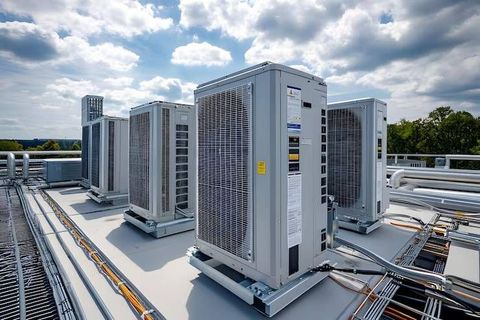
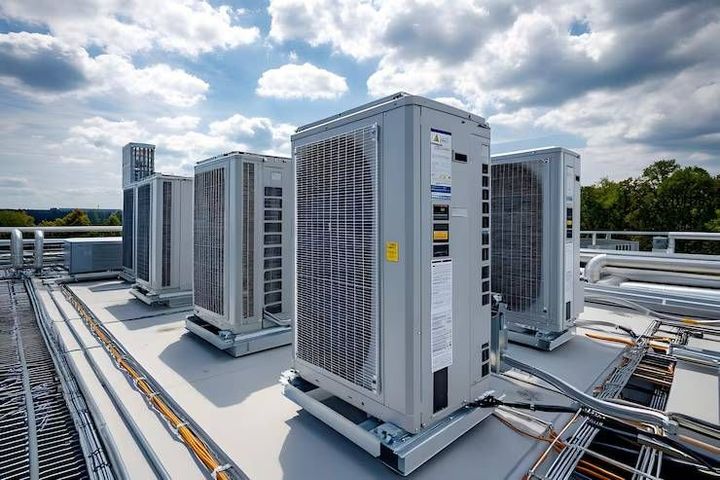
Cooling systems are technologies designed to remove unwanted heat from buildings, machines, vehicles, electronic devices, and industrial processes. They help maintain suitable temperatures for comfort, equipment operation, product storage, and manufacturing. A cooling system may use air, water, refrigerants, or other heat-transfer methods, depending on the application.
Context
Cooling systems are technologies designed to remove unwanted heat from buildings, machines, vehicles, electronic devices, and industrial processes. They help maintain suitable temperatures for comfort, equipment operation, product storage, and manufacturing. A cooling system may use air, water, refrigerants, or other heat-transfer methods, depending on the application.
The development of modern cooling systems grew from traditional methods such as ventilation, shaded structures, evaporative cooling, and the use of ice. Mechanical refrigeration later made it possible to control temperatures more consistently in homes, commercial buildings, food storage facilities, and factories. Today, cooling systems include everything from household air conditioners to large industrial chillers and specialized equipment for data centers.
What Is a Cooling System?
A cooling system transfers heat from an area or object to another location. It does not necessarily destroy heat; instead, it moves heat away or allows it to dissipate into the surrounding environment. The system's design depends on the required temperature, operating conditions, available energy, and the amount of heat that must be removed.
Cooling systems are commonly found in residential buildings, hospitals, offices, vehicles, manufacturing plants, warehouses, and computer facilities. Each application has different requirements for temperature control, humidity, air movement, reliability, and environmental conditions.
Importance
Cooling systems are important because excessive heat can affect human comfort, food quality, equipment performance, and industrial production. In homes and workplaces, cooling can help maintain indoor conditions during hot weather. In factories, temperature control supports processes that require stable operating conditions.
Cooling is also important for electronic equipment. Computers, servers, power electronics, and communication devices generate heat during operation. If that heat is not removed effectively, components may reduce their operating speed, experience shorter useful lives, or shut down to prevent damage.
Main Benefits and Practical Applications
Cooling systems support several everyday and industrial activities:
Indoor comfort: Air conditioning helps manage indoor temperature and, in many systems, humidity.
Food preservation: Refrigeration slows the growth of many microorganisms and helps maintain suitable storage conditions.
Industrial production: Cooling equipment controls temperatures in molding, metalworking, chemical processing, and other manufacturing activities.
Electronics protection: Heat removal supports the operation of servers, computers, batteries, and electrical equipment.
Healthcare environments: Refrigeration and temperature-controlled equipment support selected medical storage and laboratory processes.
Vehicle operation: Engine cooling systems help regulate engine temperature, while separate systems may cool vehicle interiors and electrical components.
Cooling systems also involve practical challenges. Electricity consumption, water availability, maintenance needs, refrigerant selection, and equipment sizing can influence their performance and environmental effects. An incorrectly sized or poorly maintained system may struggle to maintain the intended temperature.
Common Types of Cooling Systems
Cooling technologies differ in how they transfer heat and where they are used.
| Cooling system type | Working principle | Common applications |
|---|---|---|
| Air cooling | Heat transfers to moving air | Electronics, engines, small machinery |
| Liquid cooling | A liquid carries heat away | Industrial machinery, computers, vehicles |
| Vapor-compression refrigeration | Refrigerant circulates through a compression cycle | Air conditioners, refrigerators, chillers |
| Evaporative cooling | Water evaporation absorbs heat | Suitable dry-climate buildings, industrial spaces |
| Absorption cooling | Heat drives a refrigeration cycle using an absorbent and refrigerant | Selected commercial and industrial facilities |
| Thermoelectric cooling | Electrical current moves heat across a semiconductor device | Small enclosures, portable equipment |
The appropriate system depends on the heat load, required temperature range, climate, installation space, operating schedule, and maintenance arrangements.
Recent Updates
Cooling technology continues to develop in response to rising cooling demand, energy-efficiency goals, environmental concerns, and the growth of heat-generating digital infrastructure. Trends from 2024 through 2026 include greater attention to high-efficiency equipment, lower-impact refrigerants, smart controls, and advanced liquid cooling. The availability of these technologies varies by application, location, and equipment design.
Energy Efficiency and Smart Controls
Modern cooling equipment may use variable-speed compressors, electronically controlled fans, improved heat exchangers, and sensors that adjust operation according to changing conditions. These features can help systems respond to actual cooling demand rather than operating continuously at a fixed output.
Smart thermostats and building management systems can monitor temperatures, operating schedules, and energy use. In larger facilities, monitoring software may identify unusual operating patterns that indicate blocked filters, faulty sensors, refrigerant problems, or other maintenance needs. Actual energy performance depends on installation quality, climate, equipment condition, and user settings.
Refrigerants and Advanced Liquid Cooling
Refrigerants are substances that absorb and release heat as they circulate through refrigeration equipment. Environmental concerns about some refrigerants have encouraged changes in refrigerant selection and the development of equipment designed for lower global warming potential. Different refrigerants have different pressure, flammability, toxicity, and handling characteristics, so equipment must be designed for the specific refrigerant used.
Liquid cooling is also receiving greater attention in high-density computing environments. It transfers heat through a liquid circulating near or within heat-generating components. Depending on the design, this approach can support greater heat removal in limited spaces than conventional air cooling, although installation, leak management, and heat rejection still require careful planning.
Laws or Policies
Cooling systems are affected by energy-efficiency standards, electrical safety requirements, refrigerant regulations, environmental rules, and building codes. The specific requirements depend on the country, equipment category, installation location, and intended use.
Cooling System Regulations in India
In India, the Bureau of Energy Efficiency (BEE) administers energy-efficiency programs, including star-labeling arrangements for specified appliances. Room air conditioners and other covered equipment may be subject to applicable labeling requirements and efficiency standards. The relevant requirements can change, so the current product category and regulatory status matter when evaluating equipment.
The Bureau of Indian Standards (BIS) develops and publishes Indian Standards for a range of products and technical applications. Certain cooling equipment or related components may be covered by applicable standards or compulsory certification requirements. Coverage depends on the product and the rules in force.
Refrigerants, Electrical Safety, and Building Requirements
India's environmental framework includes controls relevant to ozone-depleting substances and the management of refrigerants. International agreements, including the Montreal Protocol and its Kigali Amendment, also shape the gradual reduction of certain substances and the phasedown of hydrofluorocarbons in participating countries.
Cooling equipment must also be installed in accordance with applicable electrical safety, fire safety, building, and ventilation requirements. Some refrigerants require specific precautions because of their flammability or other hazards. Industrial facilities may face additional requirements related to workplace safety, chemical handling, and environmental protection.
Regulatory obligations differ between household air conditioners, industrial chillers, commercial refrigeration equipment, and specialized cooling installations. Current rules should be checked through relevant Indian government departments, standards bodies, and local authorities rather than assuming that one requirement applies to every system.
Tools and Resources
Several tools can help users understand cooling capacity, evaluate operating conditions, and organize equipment maintenance. The appropriate resource depends on whether the system is intended for a room, a vehicle, a commercial building, or an industrial process.
Cooling Capacity and Energy Tools
Cooling capacity calculators estimate the amount of heat a system must remove under specified conditions. For buildings, estimates may consider room dimensions, insulation, windows, occupancy, lighting, equipment, outdoor temperatures, and ventilation. Room area alone may not provide enough information for accurate equipment sizing.
Energy monitoring tools can record electricity consumption and operating hours. Comparing consumption across similar operating periods may help identify changes in system performance, although weather, occupancy, and production levels can affect the results.
Useful resources include:
Bureau of Energy Efficiency: Information about energy-efficiency programs and applicable appliance labeling.
Bureau of Indian Standards: Information about relevant Indian Standards and product conformity requirements.
India's Ministry of Environment, Forest and Climate Change: Environmental policies and information related to refrigerants and ozone protection.
Manufacturer technical manuals: Equipment specifications, operating limits, maintenance schedules, and refrigerant information.
Temperature and humidity meters: Instruments for observing indoor conditions and checking whether a space remains within its intended range.
Maintenance and Monitoring
A maintenance log can record filter cleaning, coil inspection, temperature readings, unusual noise, operating pressure where applicable, and equipment faults. For industrial cooling systems, records may also include pump performance, water quality, flow rates, and heat-exchanger condition.
Routine inspection helps identify developing issues, but work involving electrical components, pressurized refrigerants, or specialized industrial equipment may require trained personnel. The correct maintenance procedure depends on the equipment manufacturer's instructions and applicable safety requirements.
FAQs
What are the main types of cooling systems?
The main types include air cooling, liquid cooling, vapor-compression refrigeration, evaporative cooling, absorption cooling, and thermoelectric cooling. Each uses a different method to remove heat and suits different operating conditions.
How does a cooling system work?
A cooling system transfers heat away from an object or space. Depending on its design, it may use moving air, circulating liquid, refrigerant evaporation and condensation, or another heat-transfer process.
What components are found in a cooling system?
Components vary by system. A typical vapor-compression system contains a compressor, condenser, expansion device, and evaporator. Other designs may include fans, pumps, filters, sensors, pipes, heat exchangers, and control units.
Which cooling systems are used in industrial applications?
Industrial cooling commonly uses chillers, cooling towers, heat exchangers, air-cooled equipment, and liquid circulation systems. Selection depends on process temperatures, heat load, water availability, environmental conditions, and operating requirements.
How can cooling system energy efficiency be improved?
Efficiency can be supported through suitable equipment sizing, regular maintenance, clean heat-transfer surfaces, appropriate temperature settings, and effective control systems. Actual results depend on system design, operating conditions, and the equipment's condition.
Conclusion
Cooling systems remove unwanted heat to support comfort, equipment operation, product preservation, and industrial processes. Their types range from simple air-cooling arrangements to refrigeration cycles, liquid cooling installations, and large industrial systems. Efficiency, maintenance, refrigerant selection, and correct sizing influence their operation and environmental impact. Energy standards and safety regulations also shape how cooling equipment is designed, installed, and used.