Street Food in India Guide: Famous Snacks, Traditional Recipes, Cooking Styles and Local Specialties
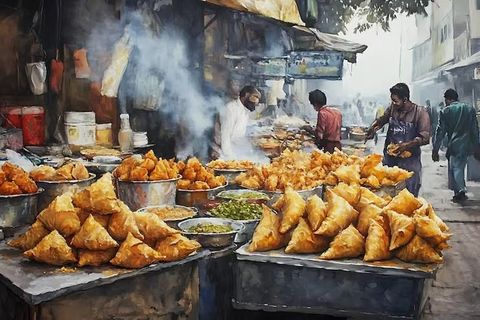
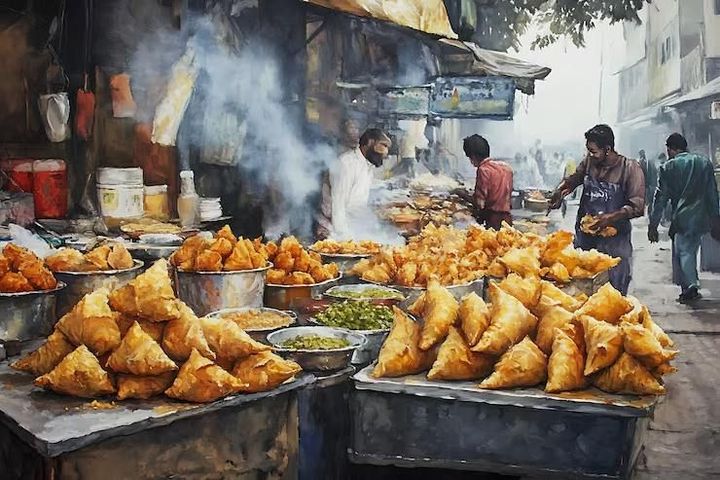
Street food in India is an important part of the country's culinary traditions, bringing together regional ingredients, cooking methods, and local eating habits. From crispy samosas and spicy chaat to steamed momos and South Indian dosa, Indian street food includes a wide range of snacks and quick meals. These dishes are commonly prepared at roadside stalls, market counters, small eateries, and mobile food carts.
Context
Street food in India is an important part of the country's culinary traditions, bringing together regional ingredients, cooking methods, and local eating habits. From crispy samosas and spicy chaat to steamed momos and South Indian dosa, Indian street food includes a wide range of snacks and quick meals. These dishes are commonly prepared at roadside stalls, market counters, small eateries, and mobile food carts.
The development of Indian street food is connected to local agriculture, trade, migration, and cultural exchange. Vendors adapted regional recipes to suit busy marketplaces, transport hubs, workplaces, and residential neighborhoods. Over generations, these cooking traditions developed distinctive regional forms, with differences in spices, sauces, grains, fillings, and preparation techniques.
Famous Street Food Snacks Across India
Indian street food varies considerably between regions. Some dishes are widely recognized throughout the country, while others remain closely associated with particular cities or communities.
Samosa: A pastry filled with spiced potatoes, peas, or other ingredients, usually deep-fried until crisp.
Pani puri: Hollow, crisp puris filled with flavored water, chutneys, potatoes, chickpeas, or other regional fillings.
Vada pav: A Mumbai-associated snack consisting of a spiced potato fritter served inside a bread roll with chutneys.
Dosa: A thin pancake made from fermented rice and lentil batter, commonly served with chutney and sambar.
Kachori: A fried pastry filled with spiced lentils, peas, onions, or other ingredients, depending on the region.
Momos: Dumplings commonly filled with vegetables or meat, influenced by Himalayan and Tibetan food traditions.
Jhal muri: A puffed-rice snack associated with Bengal, mixed with spices, vegetables, mustard oil, and other ingredients.
These snacks demonstrate how familiar ingredients can produce different dishes through variations in seasoning, texture, and cooking methods.
Traditional Recipes and Local Specialties
Traditional Indian street food recipes often rely on ingredients that are readily available within a region. Wheat flour is widely used for pastries and breads, rice features prominently in southern and eastern cuisines, and chickpeas, lentils, potatoes, and seasonal vegetables appear in many snacks.
Local specialties also reflect cultural preferences. Gujarat is known for snacks such as dabeli and khaman, while Rajasthan has a strong tradition of kachori varieties. In Hyderabad, mirchi bajji and other fried snacks appear alongside regional influences from the Deccan, while Kolkata has distinctive rolls, chaat, and puffed-rice preparations.
Importance
Street food plays a meaningful role in everyday life because it provides convenient meals and reflects local food culture. Students, commuters, workers, residents, and visitors may encounter street vendors near schools, markets, offices, railway stations, and public gathering places. Food stalls can also preserve recipes and cooking techniques passed between generations.
Street food contributes to local economies by creating opportunities for small vendors, ingredient suppliers, cooks, and market traders. At the same time, the sector faces practical challenges involving food hygiene, ingredient storage, waste management, weather, changing regulations, and access to suitable vending locations.
Regional Diversity in Indian Street Food
Different regions use their local ingredients and culinary traditions to shape street food.
| Region | Common street food examples | Characteristic ingredients or methods |
|---|---|---|
| North India | Chaat, samosa, chole kulche | Chickpeas, chutneys, wheat breads |
| West India | Vada pav, dabeli, dhokla | Potatoes, gram flour, chutneys |
| South India | Dosa, idli, bonda | Rice, lentils, fermented batter |
| East India | Jhal muri, kathi rolls, ghugni | Puffed rice, flatbreads, peas |
| Central India | Poha, bhutte ka kees | Flattened rice, corn, spices |
| Himalayan regions | Momos, thukpa | Dumplings, noodles, vegetables, broth |
These categories are broad, and individual cities often have their own variations. Migration and travel have also introduced regional snacks to places far from their original locations.
Cooking Styles and Flavor Combinations
Indian street food uses several preparation techniques. Deep-frying produces crisp textures in samosas, pakoras, and kachoris, while steaming is common for idli and many varieties of momos. Griddling is used for dosa, paratha-based snacks, and rolls, whereas boiling and simmering are important for chickpea curries, lentil preparations, and some noodle dishes.
Flavor often comes from combining ingredients rather than relying on a single spice. Common elements include cumin, coriander, turmeric, chili, ginger, garlic, tamarind, mint, yogurt, and fresh herbs. Sweet, sour, salty, spicy, and savory elements may appear together in a single dish, particularly in chaat.
Traditional recipes can change according to family preferences, regional ingredients, and vendor practices. A single snack may have several recognizable versions, including different fillings, chutneys, levels of spice, and serving methods.
Recent Updates
Street food in India continues to evolve as traditional recipes meet changing eating habits, digital technology, and greater public attention to food safety. Recent trends through 2024–2026 include wider digital payments, increased online discussion of regional dishes, changing packaging practices, and growing interest in documenting local food traditions. The pace of change differs between cities and smaller communities.
Digital Discovery and Changing Eating Habits
Maps, food blogs, video platforms, and social media allow people to discover regional snacks and cooking methods beyond their home areas. Short cooking videos and food-travel programs have introduced audiences to dishes that may previously have been familiar mainly to local residents.
Digital payments have also become common in many urban markets, although cash remains relevant in some locations. Some vendors use online ordering or delivery platforms where participation is available. These changes can affect how customers discover food stalls and how vendors manage orders, but access to digital tools varies.
Food Hygiene and Sustainable Packaging
Food hygiene remains an important issue because street food may be prepared outdoors or in compact working spaces. Greater public awareness has encouraged attention to clean water, safe ingredient storage, handwashing, covered food containers, and proper cooking temperatures.
Packaging practices are also changing in response to environmental concerns and applicable restrictions on certain single-use plastic items. Paper-based packaging and other alternatives may be used, but their suitability depends on food type, temperature, moisture, and local rules. Packaging that appears environmentally preferable still needs to be appropriate for food contact and waste disposal.
Laws or Policies
Street food vending in India is shaped by food safety legislation, municipal regulations, public health requirements, and rules governing street vending. These frameworks address different aspects of preparing food, operating a stall, and using public spaces.
Food Safety Rules in India
The Food Safety and Standards Authority of India (FSSAI) administers the national framework established under the Food Safety and Standards Act, 2006. Food businesses must follow applicable requirements concerning hygiene, handling, storage, preparation, and registration or licensing.
The precise registration or licensing requirement depends on the type and scale of the food business and the rules applicable to it. FSSAI guidance also addresses hygienic practices for street food vendors. These measures are intended to reduce contamination risks and improve food handling.
Street Vending and Municipal Regulations
The Street Vendors (Protection of Livelihood and Regulation of Street Vending) Act, 2014, provides a framework for regulating street vending and protecting the livelihoods of eligible street vendors. Implementation involves local authorities and relevant town vending committees, with arrangements varying by state and municipality.
Local rules may determine vending zones, certificates, permitted locations, waste disposal, and other operating conditions. Vendors may also need to comply with applicable municipal health and sanitation requirements. These rules help address the use of public spaces while recognizing the role of street vending in urban livelihoods.
Food Safety for Everyday Consumers
Consumers can consider several practical food-handling indicators when choosing street food:
Food prepared thoroughly and served hot when appropriate.
Clean utensils, work surfaces, and food containers.
Ingredients protected from dust, insects, and unnecessary handling.
Safe drinking water and ice from suitable sources.
Proper storage of perishable ingredients and prepared foods.
Appearance alone cannot establish that food is safe. Foodborne illness can occur even when a dish looks normal, so safe preparation and storage practices remain important.
Tools and Resources
Several resources help readers learn about Indian street food, understand traditional recipes, and find information about food safety.
Recipe and Food Culture Resources
Cookbooks, regional food blogs, cooking channels, and culinary archives can explain ingredients, preparation techniques, and cultural background. Recipe websites can also help readers compare variations of familiar dishes, such as pani puri, dosa, samosa, and dabeli.
When following a recipe, readers should pay attention to ingredient quantities, cooking temperatures, fermentation times, and safe storage instructions. Traditional preparation methods can vary, so instructions may need to be adapted to available equipment and ingredients.
Food Safety and Regulatory Websites
The official FSSAI website provides information about food safety, food business registration, hygiene guidance, and relevant regulations. Local municipal websites may publish street vending rules, permitted vending arrangements, and sanitation requirements.
Maps and travel-planning applications can help identify food markets and regional culinary areas. Recent reviews and location details may provide useful context, but listings do not independently establish a vendor's hygiene practices or the safety of a particular dish.
Understanding a Traditional Recipe
A structured recipe template can make regional dishes easier to study or prepare. Useful fields include:
Dish name and region of origin.
Main ingredients and possible substitutions.
Preparation and cooking techniques.
Typical accompaniments and flavor profile.
Food hygiene, storage, and reheating instructions.
This format also helps distinguish a traditional recipe from regional adaptations or contemporary versions.
FAQs
What are the famous street food snacks in India?
Common examples include samosa, pani puri, vada pav, dosa, kachori, momos, and jhal muri. Regional specialties vary according to local ingredients and culinary traditions.
Which Indian cities are known for traditional street food?
Mumbai, Delhi, Kolkata, Ahmedabad, Indore, Hyderabad, Chennai, and Lucknow are among the cities associated with distinctive street food traditions. Individual dishes and preparation styles differ across neighborhoods.
How are traditional Indian street food recipes prepared?
Methods include deep-frying, steaming, griddling, boiling, and fermenting. Recipes commonly use grains, lentils, vegetables, herbs, spices, and chutneys, with preparation varying by region.
What are the main food safety rules for street food in India?
Applicable FSSAI requirements cover food handling, hygiene, registration or licensing, and other safety obligations. Municipal rules may also regulate vending locations, sanitation, and waste disposal.
How can people identify safer street food options?
People can look for clean preparation areas, protected ingredients, safe water, clean utensils, and appropriate cooking and storage practices. These observations can reduce some risks but cannot confirm that a dish is free from contamination.
Conclusion
Street food in India reflects the country's regional diversity, traditional recipes, local ingredients, and changing eating habits. Snacks such as samosa, pani puri, dosa, and vada pav illustrate the variety of cooking styles found across the country. Food safety regulations and street vending policies shape how vendors prepare food and use public spaces. Understanding regional differences, preparation techniques, and hygiene practices provides useful context for exploring India's street food culture.

You May Also Like