Dental Implants Guide: Implant Types, Placement Process, Materials and Care Considerations
Dental implants are artificial tooth roots placed in the jaw to support a replacement tooth, bridge, or other dental restoration. They are usually made from biocompatible materials and are designed to connect with surrounding bone. Modern dental implant care combines surgical planning, restorative dentistry, imaging, and ongoing oral hygiene. Understanding implant types, the placement process, materials, and care considerations can help readers understand how this form of tooth replacement works.
Context
What Dental Implants Are
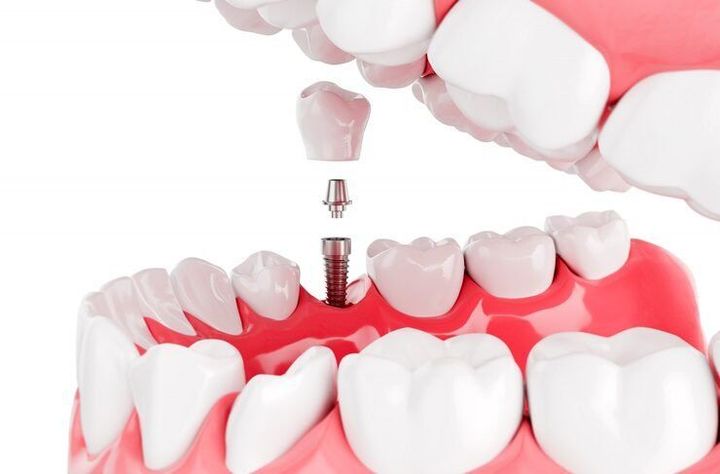
A dental implant generally has three parts: the implant body, an abutment, and a visible restoration such as a crown. The implant body is positioned in the jawbone, while the abutment connects the implant to the restoration. In some cases, the components may be arranged differently depending on the treatment design.
Dental implants developed from research into how bone can form a stable connection with certain materials. This biological connection, commonly called osseointegration, is an important part of implant treatment. Unlike a removable denture, an implant-supported restoration is anchored to the jaw through the implant.
Common Implant Types
Dental implants can be described by their shape, placement method, number of components, and intended use. Endosteal implants are placed within the jawbone and are the most commonly discussed type. Other approaches, such as subperiosteal implants, may be considered in selected situations when conventional bone placement is not appropriate.
Implants can also support different restoration designs. A single implant may support one crown, while several implants can support a bridge or a larger restoration. The appropriate design depends on the number and location of missing teeth, bone conditions, oral health, and the overall treatment plan.
| Implant or restoration approach | General description | Common consideration |
|---|---|---|
| Single-tooth implant | One implant supports one replacement tooth | Used for an individual missing tooth |
| Implant-supported bridge | Multiple implants support a bridge | May replace several nearby teeth |
| Full-arch implant restoration | Several implants support a larger dental arch | Used when many teeth are missing |
| Subperiosteal implant | Framework rests on or above the jawbone | Considered in selected anatomical situations |
Importance
Why Dental Implants Matter
Missing teeth can affect chewing, speech, appearance, and the distribution of forces during eating. Tooth loss can also be associated with changes in the jawbone over time. Dental implants are one approach used to replace missing teeth while providing a fixed foundation for a restoration.
The topic matters to adults who have lost teeth because of decay, gum disease, injury, or other dental conditions. It is also relevant to people comparing different forms of tooth replacement, because implants involve surgery, healing, restoration, and long-term maintenance rather than only placement of an artificial tooth.
Factors That Affect Treatment
Suitability varies from person to person. A dental assessment may consider jawbone volume and shape, gum condition, oral hygiene, remaining teeth, general health, smoking or tobacco exposure, and previous dental treatment.
Imaging is often part of planning. Dental X-rays can provide information about teeth and bone, while three-dimensional imaging may help map important anatomical structures and the intended implant position. Digital planning can also be used to design surgical guides or restorations.
Recent Updates
Digital Implant Planning
Recent dental research has continued to examine computer-assisted implant placement, including static guides, dynamic navigation, and other digital techniques. A recent systematic review found that computer-assisted approaches can improve placement accuracy in some clinical situations, while conventional approaches remain useful in less complex cases. The evidence also emphasizes that planning and clinical judgment remain important.
Digital workflows may combine three-dimensional scans, digital impressions, computer-aided design, and guided surgery. These tools can help clinicians visualize anatomy and plan the relationship between the implant and the planned restoration. They do not remove the need for clinical assessment.
Titanium and Zirconia Research
Titanium remains a widely studied implant material, while zirconia implants continue to receive research attention. Reviews published in recent years have compared their clinical performance, including implant survival, bone changes, and patient-reported outcomes. Findings vary by study design, implant type, follow-up period, and clinical situation, so material selection is not based on a single universal rule.
Research has also examined immediate implantation and immediate loading in selected cases. Recent reviews indicate that these approaches require careful case selection and that evidence quality can vary. This means that a faster treatment sequence is not automatically appropriate for every patient.
Laws or Policies
Medical Device Regulation in India
In India, medical devices are regulated under the Drugs and Cosmetics Act, 1940 and the Medical Devices Rules, 2017. The Central Drugs Standard Control Organization, or CDSCO, describes a risk-based classification system with Classes A through D, ranging from lower to higher risk. CDSCO also maintains classification information for dental medical devices.
Rules relating to manufacturers, importers, licensing, quality, and medical-device oversight can apply to dental implant products. The exact regulatory requirements depend on the device and its intended use, so product-specific classification should be checked against current CDSCO information.
Dental Profession and Public Oral Health
The National Dental Commission Act, 2023 provides the statutory framework for regulation of dentistry in India. The National Dental Commission maintains information on registered dentists, dental institutions, and related regulatory matters.
India also has the National Oral Health Programme, which supports oral healthcare through public health facilities and includes dental care units at different levels of the health system. Government oral-health resources include guidance related to dental caries and periodontitis.
Tools and Resources
Imaging and Planning Tools
Dental professionals may use panoramic X-rays, intraoral imaging, cone-beam computed tomography, digital impressions, and computer-aided planning. These tools provide different types of information and are selected according to the clinical question. Not every patient needs every type of imaging.
Public Information Resources
Useful reference sources include the CDSCO medical-device pages for regulatory information, the National Dental Commission portal for professional and institutional information, and Ministry of Health resources for oral-health guidance. The Indian Dentists Register can also help users check professional registration information.
Home Care Resources
Routine oral-care tools may include a soft toothbrush, fluoride toothpaste, interdental cleaning aids, and other products recommended for the individual situation. Implant care generally involves keeping the implant-supported restoration and surrounding tissues clean and attending periodic dental examinations.
FAQs
What are the main types of dental implants?
Endosteal implants are placed in the jawbone and are commonly used. Other designs, including subperiosteal implants, may be considered in selected cases. Implant-supported crowns, bridges, and full-arch restorations are different restoration arrangements rather than separate implant materials.
What happens during the dental implant placement process?
The process usually involves assessment and imaging, treatment planning, implant placement, a healing period, and attachment of the final restoration. Some cases may use immediate or staged restoration depending on bone stability, healing conditions, and the treatment plan.
What materials are used in dental implants?
Titanium and zirconia are the main materials discussed in contemporary implant research. Titanium has extensive clinical use, while zirconia is also studied for selected applications. The choice depends on factors such as implant design, clinical conditions, restoration requirements, and professional assessment.
How should dental implants be cared for?
Implant-supported teeth require regular cleaning around the restoration and surrounding gums. Brushing, interdental cleaning, routine dental examinations, and attention to changes such as bleeding, swelling, discomfort, or looseness are commonly part of ongoing care.
How long does the dental implant process take?
Treatment time varies widely. Some cases involve several stages over months, while selected cases may use shorter protocols. Healing, bone conditions, need for additional procedures, restoration design, and individual health factors can all affect the overall timeline.
Conclusion
Dental implants are a form of tooth replacement that uses an implant placed in the jaw to support a restoration. Implant types, materials, placement methods, digital planning, and care requirements can vary according to individual conditions. Current research continues to examine digital techniques and materials such as titanium and zirconia, while Indian regulation covers dental devices and the practice of dentistry. Long-term implant care centers on oral hygiene, monitoring, and appropriate dental follow-up.