Powder Mixing Explained: Types, Equipment, Processes, Applications and Key Considerations
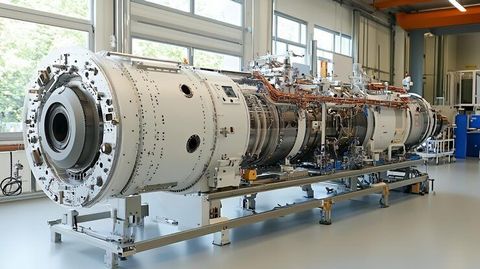
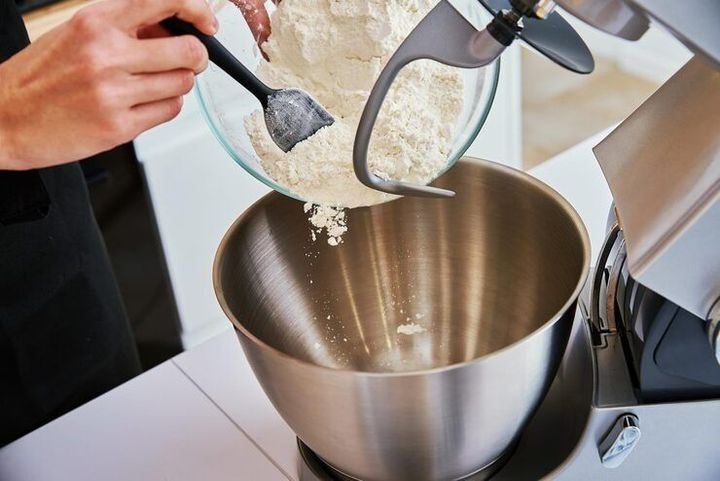
Powder mixing is the process of combining two or more dry or partially dry materials to create a mixture with a reasonably uniform distribution of its components. It is used across food processing, chemicals, construction materials, agriculture, cosmetics, and many manufacturing processes. Powder mixing equipment can range from simple batch mixers to automated industrial systems, depending on the material characteristics, batch size, and required mixing conditions.
What Is Powder Mixing?
Powder mixing involves bringing different solid particles together and distributing them throughout a mixture. The materials may have different particle sizes, densities, shapes, moisture levels, or flow characteristics. These differences influence how easily they mix and whether the resulting blend remains uniform during handling.
A powder mixing process generally involves loading ingredients into a mixing chamber, applying controlled movement, allowing the materials to interact, and then removing the completed mixture. Some systems also include weighing, screening, conveying, temperature control, or dust-control equipment.
Where Powder Mixing Comes From
The basic concept of mixing powders has existed for centuries. Earlier processes relied on manual tools and simple mechanical movement. As industries became more organized, rotating drums, paddles, blades, and other mechanical systems were developed to handle larger quantities.
Modern powder mixing equipment uses controlled mechanical motion and, in some cases, sensors and automated controls. The objective is not simply to move particles around but to create a consistent distribution while limiting segregation, heat generation, contamination, and unnecessary particle damage.
Materials Commonly Mixed
Powder mixing can involve materials such as:
- Food ingredients and dry nutritional components
- Cementitious and construction-material powders
- Agricultural materials and soil-related formulations
- Ceramic and mineral powders
- Polymer and plastic powders
- Chemical powders
- Cosmetic powders
- Metal powders
- Industrial additives and fillers
The characteristics of each material determine which mixing method and equipment configuration are appropriate.
Importance
Why Powder Mixing Matters
Uniformity is a central concern in powder processing. If one part of a batch contains substantially more of one ingredient than another part, the final material may not behave consistently during subsequent processing or use.
Powder mixing also affects handling characteristics. A properly controlled process can help distribute fine and coarse particles, reduce localized concentrations, and create a more consistent material for later stages such as filling, compression, molding, coating, or packaging.
Challenges in Powder Mixing
Powders do not always behave like liquids. Some particles flow easily, while others tend to stick together or form lumps. Differences in particle density can also cause segregation after mixing.
Common challenges include:
- Particle segregation during or after mixing
- Formation of agglomerates or lumps
- Excessive dust generation
- Heat produced by mechanical movement
- Moisture absorption
- Contamination between batches
- Uneven distribution of small-volume ingredients
- Damage to fragile particles
For this reason, powder mixing equipment is selected according to the physical characteristics of the material rather than only the desired batch size.
Factors Affecting Mixing Quality
Important factors include particle size, particle density, moisture content, particle shape, material flowability, mixing time, mixer geometry, loading level, and mixing intensity. The order in which ingredients enter the mixer can also influence the final distribution.
A simple mixing comparison is shown below:
| Mixing Factor | Possible Effect |
|---|---|
| Particle size | Influences flow and segregation |
| Particle density | Can cause heavier particles to separate |
| Moisture | May cause sticking or agglomeration |
| Mixing time | Too little may cause uneven blending |
| Mixing intensity | Excessive movement can damage fragile particles |
| Loading level | Affects particle movement inside the chamber |
| Ingredient sequence | Can influence distribution of minor components |
Recent Updates
Automation and Process Monitoring
Recent developments in powder mixing have increasingly focused on automation and process monitoring. Industrial systems can integrate programmable controls, sensors, automated ingredient handling, and process records. These technologies can help operators monitor variables such as mixing time, temperature, motor load, and batch sequence.
Digital monitoring is also becoming more relevant where manufacturers need consistent records between batches. Data collection can help identify changes in operating conditions and support process analysis.
Improved Dust Management
Dust control remains an important consideration when handling fine powders. Modern processing layouts may use enclosed transfer points, extraction systems, sealed mixers, and filtration equipment to reduce airborne particles.
Dust management is particularly important when powders can irritate the respiratory system or create combustible dust hazards. The appropriate controls depend on the material and the facility.
Greater Attention to Hygienic Design
Food and other sensitive applications have increased attention toward equipment surfaces, cleaning procedures, access for inspection, and prevention of material accumulation. Equipment design may include smooth internal surfaces, suitable materials of construction, and configurations intended to reduce difficult-to-clean areas.
In India, regulatory activity related to food processing has continued to evolve. FSSAI published multiple amendments and notifications during 2026, including updates involving food licensing, laboratory analysis, contaminants, packaging, and other food-safety requirements.
Powder Mixing Equipment and Digital Controls
Modern industrial mixers may be integrated with weighing systems, conveyors, feeders, sensors, and control software. This can reduce manual handling and make process parameters easier to monitor.
However, automation does not remove the need to understand powder characteristics. A digitally controlled process can still produce an inconsistent mixture if the mixer type, loading pattern, ingredient sequence, or operating conditions are unsuitable.
Laws or Policies
Indian Food-Safety Requirements
For food-related powder mixing in India, food businesses are subject to the Food Safety and Standards Act and associated regulations. FSSAI states that food businesses require the applicable registration or licence, while hygienic and sanitary requirements are addressed through the Food Safety and Standards regulations.
For manufacturing and processing environments, Schedule 4 of the licensing regulations addresses food safety management, good manufacturing practices, and good hygiene practices.
The specific requirements depend on the type of food, processing activity, facility, and applicable regulatory category.
Workplace Safety
Powder mixing facilities also need to consider occupational safety. India's Occupational Safety, Health and Working Conditions Code includes provisions concerning workplace health, safety, hygiene, ventilation, dust, fumes, waste treatment, and other working conditions.
The relevant safety controls can vary according to the material and process. Facilities handling combustible, toxic, reactive, or otherwise hazardous powders may require additional engineering controls and operating procedures.
Standards and Conformity
The Bureau of Indian Standards maintains a searchable system for Indian Standards. Its “Know Your Standard” facility allows users to search standards by keywords or Indian Standard numbers and review associated documents and information.
Not every powder mixer is automatically subject to a single general BIS certification requirement. Applicability depends on the particular product, equipment category, and regulation involved. BIS also maintains information on standards referred to in government regulations.
Tools and Resources
Powder Mixing Equipment
Common equipment categories include ribbon mixers, paddle mixers, ploughshare mixers, tumble mixers, conical mixers, and high-shear mixers. Each creates a different pattern of particle movement.
Ribbon mixers use helical elements to move material through a horizontal chamber. Paddle systems use shaped blades to create lifting and folding movements, while tumble mixers rotate the entire container to move the powder through repeated cascading action.
Process Measurement Tools
Several tools can help monitor a powder mixing process:
- Weighing systems for ingredient measurement
- Moisture meters for checking material moisture
- Particle-size analysis equipment
- Temperature sensors
- Sampling tools for evaluating uniformity
- Motor-load monitoring systems
- Data logging and control software
The selection depends on the application and the characteristics that need to be controlled.
Online Standards and Regulatory Resources
For Indian applications, the FSSAI website provides food regulations and notifications, while BIS provides access to Indian Standards and conformity-assessment information. FSSAI's FoSCoS platform is also used for food-business licensing and registration activities.
Technical specifications, operating manuals, process records, and sampling plans can also serve as useful resources when studying or documenting a powder mixing process.
FAQs
What is powder mixing?
Powder mixing is the controlled combination of two or more particulate materials to produce a mixture with a reasonably uniform distribution. The process can use mechanical movement such as tumbling, paddling, folding, or high-shear action.
What types of powder mixing equipment are commonly used?
Common types include ribbon mixers, paddle mixers, ploughshare mixers, tumble mixers, conical mixers, and high-shear mixers. The appropriate type depends on particle characteristics, batch size, required mixing intensity, and the application.
How does a powder mixing process work?
Materials are introduced into a mixing chamber and moved mechanically so that particles repeatedly change position and become distributed throughout the batch. The process continues for a defined period or until testing indicates that the desired degree of uniformity has been reached.
What factors affect powder mixing quality?
Particle size, density, moisture, shape, flowability, loading level, mixing time, mixing intensity, equipment design, and ingredient sequence can all affect the result. Segregation can also occur after mixing if materials have substantially different physical characteristics.
What regulations apply to powder mixing in India?
The applicable rules depend on the industry and material. Food-related operations are governed by FSSAI requirements, while workplace safety is addressed through occupational safety legislation and applicable rules. Relevant BIS standards may also apply to particular products or equipment categories.
Conclusion
Powder mixing is a controlled process used to distribute solid particles throughout a mixture for food, chemical, construction, agricultural, cosmetic, and industrial applications. Equipment selection depends on factors such as particle size, density, moisture, flowability, batch size, and required mixing intensity. Recent developments have increased the use of automation, process monitoring, dust management, and hygienic equipment design. In India, food safety, workplace safety, and applicable standards form an important part of the regulatory environment surrounding powder-processing operations.