Extrusion Machines Explained: Types, Components, Working Process, Applications and Key Features
Extrusion machines are industrial systems used to transform raw materials into products with a continuous shape and consistent cross-section. They are widely associated with plastics, but extrusion is also used with rubber, food materials, metals, composites, and other processable materials. A typical extrusion machine uses controlled pressure, temperature, and mechanical movement to prepare material and push it through a shaped opening called a die. The resulting product can include pipes, sheets, films, profiles, tubes, pellets, insulation layers, and other continuous forms.
What Are Extrusion Machines?
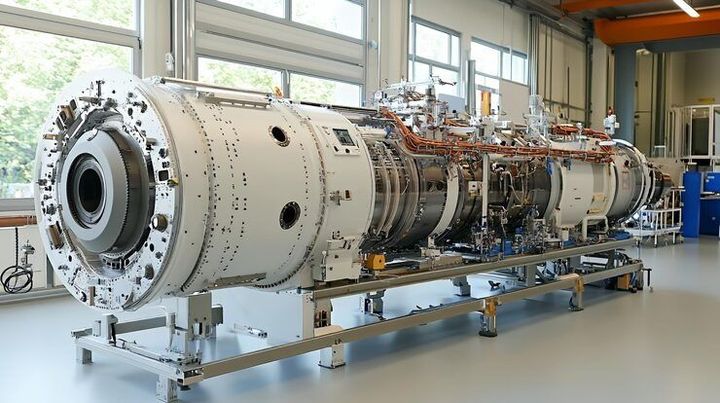
An extrusion machine is equipment designed to continuously process a material and form it into a particular profile. In polymer processing, plastic pellets, flakes, powders, or other feedstock are introduced into the machine and transported through a heated barrel by a rotating screw.
As the material moves through the barrel, heat and mechanical energy help soften or melt it. Pressure then pushes the material through a die, which determines the initial shape of the output.
The basic concept of extrusion has existed for a long time, with early forms used for materials such as metals and later adapted to polymers and other industrial materials. Modern extrusion machines combine mechanical components, heating systems, sensors, control units, cooling equipment, and shaping systems.
How Extrusion Developed
The development of polymer extrusion expanded alongside the growth of plastics processing. Single-screw machines became widely used for relatively straightforward melting and shaping operations, while twin-screw systems became important for mixing, compounding, and processing materials that require greater control.
Today, extrusion machines can be configured for different materials and production requirements. A complete extrusion line may include feeding, melting, mixing, filtration, shaping, cooling, sizing, cutting, winding, or pelletizing equipment.
Importance
Why Extrusion Machines Matter
Extrusion is important because it allows continuous production of products with controlled dimensions and material characteristics. Instead of forming each item separately, an extrusion line can continuously create a long product that is later cut, wound, cooled, or processed into another form.
Common applications include:
- Plastic pipes and tubes
- Packaging films and sheets
- Window and construction profiles
- Wire and cable insulation
- Plastic pellets and compounds
- Rubber profiles
- Food products with continuous shapes
- Composite profiles
- Filaments and specialized polymer products
Problems Addressed by Extrusion
Extrusion machines help address manufacturing requirements such as continuous shaping, controlled material mixing, repeatable dimensions, and processing of different material formulations.
For example, a pipe extrusion line needs coordinated control of temperature, pressure, die geometry, cooling, and product speed. If these variables are not properly balanced, the resulting pipe can have dimensional variation, surface defects, or inconsistent wall thickness.
For general users, the importance of extrusion can be seen in everyday products. Items such as plastic pipes, packaging films, cable insulation, and construction profiles can be produced through extrusion-based processes.
Types of Extrusion Machines
Single-Screw Extruders
Single-screw extrusion machines use one rotating screw inside a heated barrel. They are commonly used for materials that can be melted and conveyed without extensive mixing.
A single-screw system normally includes a feed zone, melting or transition zone, and metering zone. Screw design, barrel temperature, rotational speed, and material properties influence the processing behavior.
Twin-Screw Extruders
Twin-screw extrusion machines contain two screws arranged within the barrel. Depending on the design, the screws can rotate in the same direction or in opposite directions.
Twin-screw systems are frequently used for compounding because the screw arrangement can provide stronger mixing and greater control over material residence and distribution. They can process polymer blends, filled materials, color concentrates, and recycled feedstocks.
Film Extrusion Machines
Film extrusion systems are designed to produce thin plastic films. Two common configurations are blown-film and cast-film extrusion.
Blown-film systems form a tubular film that is expanded with air before cooling. Cast-film systems extrude the material through a flat die and cool it on a controlled surface.
Pipe and Profile Extrusion Machines
Pipe extrusion machines are configured to produce continuous tubes and pipes. Profile extrusion machines can create products with more complex cross-sections, such as construction profiles, channels, seals, and trim components.
Sheet Extrusion Machines
Sheet extrusion systems produce relatively thick flat sheets. The process generally involves melting the material, passing it through a flat die, and cooling and sizing the sheet through downstream equipment.
Main Components of Extrusion Machines
Extruder Screw and Barrel
The screw transports, mixes, compresses, and helps melt the material. Its geometry can vary according to the material and intended process.
The barrel surrounds the screw and usually contains several temperature-controlled zones. Heating elements and cooling systems help maintain the required processing conditions.
Feeding System
The feeding system introduces raw material into the extrusion machine. Feeders may be designed for pellets, powders, flakes, fibers, additives, or combinations of materials.
Accurate feeding is important because variations in material flow can influence product dimensions and processing stability.
Die
The die is one of the key shaping components. Material exits through the die opening in the required basic profile.
Different dies are designed for films, pipes, sheets, tubes, profiles, coatings, and other products. Die geometry has a direct relationship with the shape and dimensions of the extruded material.
Heating and Cooling Systems
Heating systems provide thermal energy during melting and processing. Cooling systems then help control the material temperature after it leaves the die.
Temperature control is particularly important because excessive or insufficient heat can affect flow behavior, surface appearance, dimensional stability, and material properties.
Control System
Modern extrusion machines commonly use electronic control systems to monitor variables such as temperature, pressure, screw speed, motor load, and production speed.
Sensors provide process information, while control units allow operators to monitor and adjust operating conditions.
Working Process of Extrusion Machines
Material Feeding
The process begins when raw material enters the hopper or feeding system. Depending on the application, the feedstock may consist of polymer pellets, recycled flakes, powders, additives, or a prepared material mixture.
Conveying and Melting
The rotating screw moves the material through the barrel. Heating and friction gradually change the material from its initial form into a softer or molten state.
The screw also helps distribute heat and can mix additives or different material components.
Pressure Development
As material progresses toward the front of the barrel, the screw geometry and restricted flow path create pressure. This pressure helps move the processed material toward the die.
Shaping Through the Die
The prepared material passes through the die opening. The die creates the initial continuous shape, although additional sizing or calibration may be required for products such as pipes and profiles.
Cooling and Sizing
After leaving the die, the product may pass through air cooling, water cooling, rollers, calibration equipment, or other systems.
Cooling reduces the material temperature and helps establish the final dimensions.
Cutting, Winding, or Pelletizing
The final stage depends on the product. Long profiles and pipes can be cut into specified lengths, films can be wound into rolls, and compounded materials can be converted into pellets.
Key Features and Process Variables
Several factors influence how an extrusion machine operates.
| Feature or Variable | Main Function | Typical Effect |
|---|---|---|
| Screw design | Moves and mixes material | Influences melting and mixing |
| Barrel heating | Controls material temperature | Affects material flow |
| Die design | Shapes the output | Determines initial profile |
| Screw speed | Controls material movement | Influences throughput and residence |
| Pressure control | Monitors internal pressure | Helps identify process changes |
| Cooling system | Removes heat | Supports dimensional stability |
| Feed system | Controls material input | Helps maintain consistent flow |
| Sensors | Collect process information | Supports monitoring and control |
| Automation | Coordinates machine settings | Reduces manual adjustments |
These variables are interconnected. Changing screw speed, for example, can influence pressure, temperature, residence time, and output rate. For this reason, extrusion processing generally requires coordinated control rather than adjustment of one variable in isolation.
Recent Updates
Automation and Digital Monitoring
From 2024 through 2026, extrusion technology has continued moving toward automated process monitoring, connected sensors, digital controls, and data-based process management. Industry sources describe increased attention to real-time monitoring, automated die adjustment, recipe management, and process analytics.
These technologies can collect information such as melt temperature, pressure, motor load, and material flow. The data can then be used to identify changes in operating conditions and support process adjustments.
Energy Efficiency
Energy use has also become an important area of extrusion development. Recent technical research has examined electricity consumption in polymer extrusion, including the energy behavior of individual machine components during recycling applications.
Current equipment development includes improved drives, heating and cooling control, screw designs, and monitoring systems intended to manage energy use more effectively. Actual energy consumption varies substantially according to machine configuration, material, product, and operating conditions.
Recycled Materials and Circular Processing
Another significant trend is the development of extrusion systems that can process recycled polymer feedstocks. Recycled materials may have greater variation in moisture, contamination, composition, and melt behavior than controlled virgin feedstocks.
Modern extrusion lines increasingly incorporate filtration, degassing, mixing, and process monitoring to handle these variations. Industry reports also identify recycling compatibility and material flexibility as important areas of equipment development.
Laws or Policies
Indian Environmental Rules
In India, extrusion operations involving plastic products can be affected by the Plastic Waste Management Rules and related Extended Producer Responsibility requirements. The framework places responsibilities on relevant producers, importers, brand owners, recyclers, and other participants in plastic packaging management.
The Central Pollution Control Board maintains information and regulatory material related to plastic waste management, including rules, technical guidance, and registration information.
The exact obligations depend on the material, product category, organization, and activity involved. Therefore, an extrusion operation should be assessed according to the specific product and regulatory category rather than assuming that one requirement applies to every extrusion machine.
Machinery Safety Standards
Machine safety is another relevant area. The Bureau of Indian Standards maintains Indian Standards and certification information relating to machinery safety, including guidance for machinery used with rubber and plastics.
BIS also provides a searchable standards platform where users can look up applicable standards by Indian Standard number or product-related keyword.
Environmental, electrical, workplace safety, and product-specific requirements can vary according to the installation and application. Regulatory requirements should therefore be checked against the current rules applicable to the particular facility.
Tools and Resources
Several resources can help readers understand extrusion machines and their operating requirements.
- BIS standards databases can be used to locate relevant Indian Standards and certification information.
- CPCB resources provide information about plastic waste management rules, EPR requirements, and related environmental guidance.
- Process calculators can help estimate parameters such as material throughput, residence time, dimensional ratios, and energy consumption.
- Manufacturer technical manuals can provide machine-specific information about screw geometry, temperature zones, die configurations, and operating ranges.
- Material datasheets can provide information about processing temperatures, melt behavior, moisture requirements, and recommended handling conditions.
Because extrusion machines vary considerably, general calculators and reference tables should be treated as supporting resources rather than substitutes for machine-specific technical information.
FAQs
What are extrusion machines used for?
Extrusion machines are used to continuously shape materials into products with a defined cross-section. Common examples include plastic pipes, films, sheets, profiles, cable insulation, pellets, and composite products.
How does an extrusion machine work?
An extrusion machine feeds material into a barrel, where a rotating screw conveys and processes it. Heat and mechanical energy prepare the material, which is then pushed through a die and cooled or otherwise processed into its final form.
What is the difference between single-screw and twin-screw extrusion machines?
A single-screw extrusion machine uses one screw and is commonly used for conveying, melting, and shaping compatible materials. A twin-screw extrusion machine uses two screws and can provide additional mixing and compounding capabilities.
What are the main components of extrusion machines?
Major components include the feeding system, screw, barrel, heating and cooling systems, die, pressure and temperature sensors, drive system, and control unit. Downstream equipment can include cooling, sizing, cutting, winding, or pelletizing systems.
Are extrusion machines used for recycling?
Yes. Extrusion machines are widely used in polymer recycling processes to melt, filter, mix, and reform recycled material. Modern systems may include filtration, degassing, and monitoring technologies to manage variations in recycled feedstock.
Conclusion
Extrusion machines are continuous processing systems that combine material feeding, controlled heating, mechanical movement, pressure, shaping, and cooling. Different configurations, including single-screw, twin-screw, film, pipe, profile, and sheet extrusion machines, are designed for different materials and products. Recent developments have emphasized automation, digital monitoring, energy management, and the processing of recycled materials. In India, plastic waste rules, environmental requirements, and machinery safety standards can influence how extrusion equipment is used and managed.