EV Charging Station Equipment Explained: Types, Components, Features, Applications and Benefits
Electric vehicle charging station equipment is the group of electrical and digital components used to transfer electricity to an electric vehicle (EV) safely and manage the charging process. It can include AC or DC charging units, connectors, cables, protection devices, meters, communication systems, and software. As EV use expands, understanding this equipment helps drivers, property owners, businesses, and public authorities understand how charging locations are designed and operated.
Understanding EV Charging Station Equipment
What EV charging station equipment means
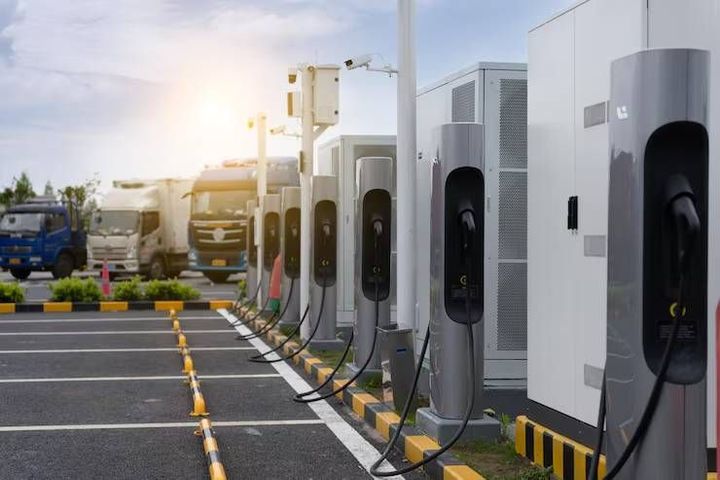
An EV charging station is a location where an electric vehicle connects to an electricity supply for battery charging. The visible charger is only one part of the system. Behind it are electrical protection devices, wiring, metering equipment, communication hardware, and sometimes a larger power distribution system.
Charging equipment can be installed at homes, workplaces, apartment buildings, parking areas, fleet depots, shopping areas, transport hubs, and along roads. The equipment selected depends on the vehicle, available electrical capacity, expected charging demand, installation conditions, and whether the location needs AC or DC charging.
How the system developed
Early EV charging arrangements were relatively simple, with vehicles connected to household electrical supplies or dedicated charging points. As EV batteries became larger and charging demand increased, dedicated EV supply equipment developed with higher power levels, improved safety controls, communication features, and different connector configurations.
Modern systems can exchange information between the vehicle and charger. This allows functions such as charging status monitoring, load management, user authentication, energy measurement, and remote equipment checks.
Why Charging Infrastructure Matters
Role in everyday transportation
Charging infrastructure connects electric vehicles with the electricity grid. Without suitable charging equipment, drivers may have difficulty planning journeys, charging vehicles at home, or operating electric fleets.
The equipment also addresses practical electrical concerns. Protection against overload, short circuits, electric shock, voltage problems, and other faults is an important part of a properly designed charging installation.
Charging station equipment also affects charging time. A vehicle connected to an AC unit may use its onboard charger to convert electricity for the battery, while a DC fast charger can perform much of that conversion outside the vehicle and send DC electricity to the battery system.
Who uses it
Different groups interact with EV charging equipment in different ways:
- Private EV owners may use home AC chargers.
- Apartment residents may use shared charging points.
- Offices can provide charging areas for employees and visitors.
- Fleet operators may use higher-power systems for repeated vehicle charging.
- Highway locations can use DC fast-charging equipment for longer journeys.
- Public authorities can plan charging networks around transport patterns and electricity availability.
Types of EV Charging Equipment
AC charging equipment
AC chargers supply alternating current to the vehicle. The vehicle's onboard charger normally converts AC electricity into the DC electricity required by its battery. AC equipment is common for home, workplace, and longer-duration parking because vehicles can remain connected for several hours.
DC fast charging equipment
DC charging equipment converts electricity outside the vehicle and supplies DC power to the battery. It is generally associated with shorter charging periods and higher power levels, although actual charging speed depends on the vehicle, battery condition, charger rating, temperature, and other factors.
Portable and integrated equipment
Some EVs can use portable charging equipment connected to a suitable electrical outlet. Fixed charging stations are permanently installed and can include dedicated protection, communication, metering, and access controls.
Main Components and Features
Charger and power electronics
The charging unit controls the electrical connection between the grid and vehicle. Power electronics manage voltage, current, conversion, and other charging functions.
Connectors and cables
Connectors establish the physical electrical connection with the vehicle. Different EV models and charging systems can use different connector standards, so compatibility is important when selecting equipment.
Protection and switching devices
Circuit breakers, residual-current protection, isolation equipment, surge protection, and emergency disconnects can be part of a charging installation. Their exact arrangement depends on the equipment design and applicable electrical requirements.
Metering and communication
Meters can measure electricity delivered during charging. Communication systems can exchange information with vehicles, local controllers, mobile applications, or network platforms. These functions can support monitoring, access management, charging records, and load control.
Common equipment features
Modern EV charging station equipment may include:
- Adjustable charging power
- User authentication
- Energy measurement
- Charging status indicators
- Remote monitoring
- Load balancing
- Fault detection
- Temperature monitoring
- Payment integration where applicable
- Network communication
Not every charger includes all of these functions. Equipment capabilities vary by design and installation.
Applications and Charging Locations
Residential applications
Home charging systems are generally designed around the vehicle owner's parking pattern and the electrical capacity available at the property. AC equipment is commonly used because a vehicle can remain connected during extended parking periods.
Workplace and apartment applications
Workplaces and residential buildings may have multiple users sharing charging points. In these settings, access controls, energy measurement, scheduling, and load management can help coordinate charging demand.
Fleet and public applications
Fleet depots can require coordinated charging for several vehicles. Public charging locations may use a mixture of AC and DC equipment depending on expected parking duration, traffic patterns, vehicle compatibility, and available electrical capacity.
Highway charging locations can use higher-power DC equipment where shorter charging periods are appropriate. Actual charging performance remains dependent on both the vehicle and charging equipment.
Common Equipment Categories
| Equipment category | Typical setting | Main characteristic | Main consideration |
|---|---|---|---|
| Home AC charger | Houses | Lower to moderate power | Electrical capacity |
| Workplace AC charger | Offices | Longer parking periods | Shared usage |
| Public AC charger | Parking areas | Extended charging | Connector compatibility |
| DC fast charger | Highways and public sites | Higher power | Grid capacity and vehicle limits |
| Fleet charging system | Depots | Multiple vehicles | Load management |
| Portable charging equipment | Flexible locations | Mobility | Suitable electrical outlet |
Recent Developments in India
Changes in charging infrastructure
India's Ministry of Power issued consolidated Guidelines for Installation and Operation of Electric Vehicle Charging Infrastructure-2024. The guidelines apply across private, semi-restricted, public, highway, and expressway charging locations and address areas such as electricity connections, interoperability, safety, and network development.
The framework includes provisions for Low Tension electricity connections for charging loads up to 150 kW, subject to the stated conditions. It also establishes a simplified electricity tariff framework for public EV charging stations, with the guideline specifying an Average Cost of Supply ceiling through the stated policy period.
Standards and equipment development
Indian charging standards have continued to develop. BIS lists IS 17017 standards covering general EV conductive charging requirements, AC charging configurations, DC EV supply equipment, connectors, and related areas. BIS records also show newer revisions and standards during 2024–2026, including a 2026 revision for DC EV supply equipment.
Government programs have also increased attention toward charging infrastructure. The PM E-DRIVE framework includes operational guidelines for deployment of EV public charging stations, with related guidance published during 2025 and 2026.
Laws, Standards and Policies
National framework
In India, the Ministry of Power's 2024 charging infrastructure guidelines provide the main national framework for installation and operation of EV charging infrastructure. They cover charging locations, electricity connections, technical requirements, network planning, and responsibilities involving power utilities and relevant agencies.
The guidelines recognize public, semi-public, and private charging locations. This distinction matters because electrical arrangements and site requirements can differ between a home charger, an apartment installation, a commercial parking area, and a highway charging site.
Standards and local requirements
BIS standards provide technical references for EV charging equipment. For example, IS 17017 Part 1 covers general requirements for electric vehicle conductive charging systems, while other parts address AC and DC equipment, connectors, and related technical characteristics.
State electricity regulators, distribution companies, building authorities, and local rules can also affect an installation. Requirements may vary according to the site, electrical load, building type, connection arrangement, and applicable state policy.
Tools and Resources
Government and technical resources
Several resources can help readers understand EV charging infrastructure:
- Ministry of Power documents provide national charging infrastructure guidelines.
- Bureau of Indian Standards provides information about relevant Indian Standards.
- PM E-DRIVE publishes scheme documents and operational guidance.
- Electricity distribution companies provide information about connection procedures and applicable tariffs.
- Vehicle manufacturers publish charging specifications for particular models.
Useful planning tools
A basic charging-load calculator can estimate electrical demand from charger power and the number of vehicles charging at the same time. A connector reference can help identify compatibility between a vehicle and charging equipment. Site electrical-load assessments can also help determine whether existing electrical infrastructure can support a planned charging arrangement.
These tools provide general planning information. Electrical design and installation should follow applicable technical requirements and be handled by appropriately qualified professionals.
Frequently Asked Questions
What is EV charging station equipment?
EV charging station equipment includes the charger, cables, connectors, electrical protection devices, meters, communication hardware, and related components used to charge an electric vehicle.
What are the main types of EV charging station equipment?
The main categories include AC charging equipment, DC fast charging equipment, portable charging equipment, and multi-vehicle charging systems. The appropriate type depends on the vehicle, location, charging duration, and available electrical capacity.
How does EV charging station equipment work?
The equipment connects the vehicle to an electricity supply, manages electrical flow, monitors charging conditions, and communicates relevant information. AC systems generally rely on the vehicle's onboard charger for power conversion, while DC systems perform the main conversion within the external charging equipment.
What components are found in a public EV charging station?
A public installation may include charging units, connectors, cables, circuit protection, metering, communication systems, user-access controls, and network monitoring equipment. Site-specific electrical distribution equipment may also be required.
Are EV charging station equipment standards used in India?
Yes. India has BIS standards for electric vehicle conductive charging systems, including requirements covering general systems, AC charging, DC supply equipment, connectors, and related technical areas.
Conclusion
EV charging station equipment combines electrical, mechanical, safety, and communication components to connect electric vehicles with the power grid. AC and DC systems serve different charging situations, while connectors, protection devices, meters, and communication systems support organized operation. In India, national charging infrastructure guidelines and BIS standards provide an important framework, while state and site-specific requirements can also apply. These elements are used across homes, workplaces, fleets, parking areas, and public roads.