Credential Wallet Technology Guide: Digital Identity, Verification, Privacy and Access Methods
Credential wallet technology is becoming part of the broader digital identity landscape, allowing people to keep and present verified information electronically. A credential wallet can hold digital records such as identity details, qualifications, certificates, licenses, or other credentials that can be checked electronically. The concept combines digital identity, identity verification, privacy controls, and different access methods into a single technology framework.
What Is Credential Wallet Technology?
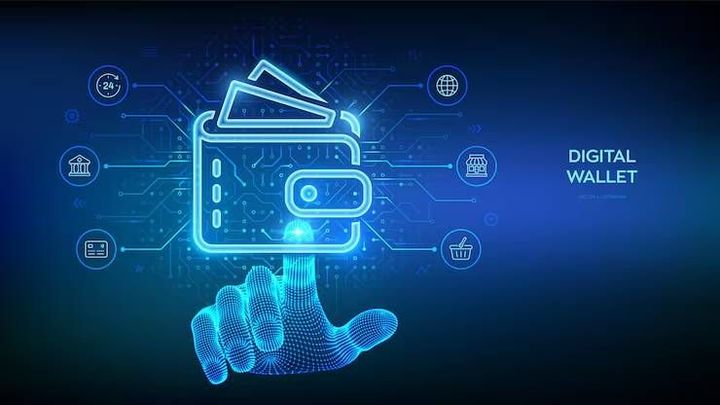
A credential wallet is a digital application or system designed to store and manage electronic credentials. Instead of relying only on physical cards or printed documents, a person can use a digital wallet to present information when verification is required.
Credential wallet technology can use digitally signed credentials. A trusted organization issues a credential, while another party can verify whether the credential is authentic and has not been altered. The wallet itself does not necessarily create the underlying identity information; it provides a way to hold, manage, and present credentials.
Examples of information that may be represented in a credential wallet include:
- Identity information
- Educational certificates
- Professional qualifications
- Government-issued documents
- Membership or authorization records
- Age or eligibility information
- Digital identification credentials
India already has digital document infrastructure through platforms such as DigiLocker. DigiLocker describes itself as a cloud-based platform for storing, sharing, and verifying digital documents and certificates.
How Credential Wallets Work
A typical process involves several parties. An issuer creates and digitally signs a credential, the holder keeps it in a wallet, and a verifier checks the credential when access to particular information is needed.
The verification process can involve cryptographic signatures, QR codes, application-based verification, or other electronic methods. Depending on the system, the verifier may receive the complete credential or only selected information.
This distinction is important because digital identity does not always require sharing every piece of information associated with a person.
Importance
Why Digital Identity Matters
People routinely need to establish who they are or demonstrate that they meet a particular requirement. Traditional processes may involve repeatedly presenting physical documents, photocopies, photographs, or manually entered information.
Digital identity systems can organize these processes electronically. Aadhaar, for example, provides electronic identity authentication and offline verification mechanisms for Aadhaar number holders.
Credential wallet technology extends this general concept by allowing different types of credentials to be managed and presented through digital interfaces.
Privacy and Selective Information Sharing
Privacy is an important part of credential wallet design. A person may not need to disclose every detail contained in an identity record to prove one specific fact.
For example, proving that someone meets an age requirement may not require disclosure of a full residential address. Systems supporting selective disclosure can be designed to provide only the information needed for a particular verification process.
Modern digital identity approaches therefore consider several privacy questions:
- What information is being requested?
- Who receives the information?
- How long is it retained?
- Can the holder control what is shared?
- How is the credential protected?
- Can the information be independently verified?
The answers depend on the particular wallet, credential format, issuer, and applicable rules.
Access Methods
Credential wallets can support multiple access methods. These may include a password, PIN, device authentication, biometric verification, QR code scanning, or cryptographic authentication.
A credential may also be presented through a mobile application without physically handing over an identification document. The exact method depends on the technology and the organization accepting the credential.
| Access method | Typical purpose | Main consideration |
|---|---|---|
| PIN or password | Wallet access | Protecting the secret |
| Biometric authentication | Device or wallet access | Device and biometric security |
| QR code | Credential presentation | Checking the source and validity |
| Digital signature | Credential verification | Authenticity of the issuer |
| NFC or device exchange | Electronic presentation | Compatible hardware |
| Online verification | Checking current status | Internet connectivity |
Recent Updates
Developments From 2024–2026
Credential wallet technology has continued moving toward more selective and digitally verifiable forms of identity. In India, Aadhaar regulations were amended during this period, including changes related to authentication, offline verification, information sharing, and enrolment processes. UIDAI's published regulatory records show multiple amendments during 2024–2026.
Another notable development is the increasing use of verifiable digital credentials. UIDAI documentation describes an Aadhaar Verifiable Credential as a digitally signed document that can contain selected demographic information and a photograph. The Aadhaar ecosystem also supports sharing such credentials in full or in part under specified processes.
The Aadhaar mobile application has also introduced functions involving selective sharing of Aadhaar Verifiable Credentials, authentication history, biometric controls, and digital identity information.
Data Protection Developments
India's Digital Personal Data Protection framework has also become relevant to digital identity and credential systems. The Digital Personal Data Protection Rules, 2025 were published by the Ministry of Electronics and Information Technology, alongside information concerning implementation timelines and the Data Protection Board of India.
These developments reflect a broader movement toward electronic identity, digitally verifiable documents, controlled information sharing, and stronger attention to personal-data handling.
Laws or Policies
Digital Personal Data Protection Framework
In India, digital identity systems may involve personal data, so data protection rules are relevant when organizations collect, process, retain, or otherwise handle such information.
The Digital Personal Data Protection Act and related rules establish a framework concerning the processing of digital personal data. The detailed obligations can depend on the type of organization, data involved, processing activity, and applicable implementation provisions.
Credential wallet technology therefore needs to be considered alongside privacy and data-governance requirements rather than as a standalone technical system.
Aadhaar Regulations
Aadhaar is governed by legislation and regulations administered through UIDAI. Its regulatory framework covers areas including enrolment, authentication, offline verification, information sharing, data security, and related operational matters. UIDAI continues to publish amendments and updated regulations.
An additional development in India has been the expansion of permitted Aadhaar authentication use cases under the Aadhaar Authentication for Good Governance framework. The 2025 amendment expanded the framework for specified public-interest uses involving government and private entities, subject to the applicable rules and approvals.
These rules do not mean that every digital wallet can automatically use Aadhaar information. Particular identity systems must operate according to the legal and technical framework applicable to them.
Tools and Resources
Digital Document Wallets
DigiLocker is an important Indian digital document platform. It provides a digital document wallet through which users can access, store, share, and verify eligible documents and certificates.
Aadhaar Resources
UIDAI provides information about Aadhaar authentication, offline verification, regulations, and digital identity developments. Its published materials explain different authentication approaches, including demographic, OTP, biometric, and multi-factor methods.
Useful resources for understanding credential wallet technology include:
- DigiLocker for digital document management
- UIDAI resources for Aadhaar authentication and verification
- MeitY publications for digital-data protection information
- Official government notifications for regulatory changes
- Documentation supplied by credential issuers and wallet developers
When evaluating a digital credential system, official documentation is particularly useful because technical features and regulatory requirements can change over time.
FAQs
What is credential wallet technology?
Credential wallet technology is a digital method for storing, managing, and presenting electronic credentials. It can connect digital identity information with verification processes while allowing different access and presentation methods.
How does a digital identity wallet protect privacy?
A digital identity wallet can use encryption, access controls, digital signatures, and selective information sharing. The actual level of privacy depends on how the wallet is designed, how credentials are issued, and how receiving organizations handle the information.
What is the difference between a credential wallet and identity verification?
A credential wallet is primarily a mechanism for holding and presenting digital credentials. Identity verification is the process of checking whether information or a credential is authentic and belongs to the person presenting it.
Can credential wallet technology use Aadhaar credentials?
Certain Aadhaar-related digital credentials can be represented and shared through approved mechanisms. UIDAI documentation describes Aadhaar Verifiable Credentials and selective sharing capabilities, subject to the applicable framework.
What access methods can a credential wallet use?
Credential wallets may use PINs, passwords, biometrics, QR codes, cryptographic signatures, NFC, or online verification. The available methods depend on the particular wallet and credential system.
Conclusion
Credential wallet technology brings digital identity, credential management, verification, privacy, and access methods together in an electronic environment. Digital credentials can represent identity information, qualifications, certificates, and other records while supporting electronic verification. In India, developments involving Aadhaar, DigiLocker, and data-protection rules are contributing to the broader digital identity ecosystem. The practical operation of each credential wallet depends on its technical design, issuer, verifier, privacy controls, and applicable regulations.