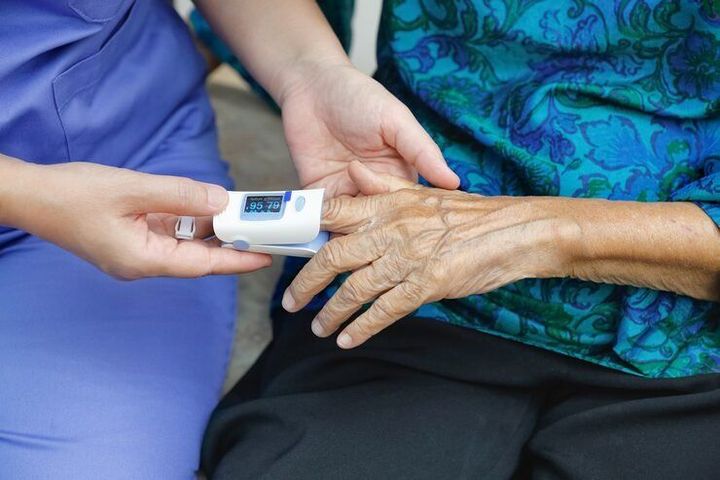
Diabetes Care in Seniors Guide: Symptoms, Glucose Tracking, Nutrition, Activity and Safety Tips
Diabetes is a long-term condition in which blood glucose remains higher than the body can manage normally. It can occur at any age, but care can become more complex in later life because aging may affect vision, hearing, mobility, memory, appetite, kidney function, and the ability to manage daily health tasks.
Diabetes care in seniors therefore involves more than checking glucose. It can include recognizing symptoms, keeping a useful record of readings, planning balanced meals, staying physically active within personal limits, protecting the feet and skin, and reducing situations that may lead to very low or very high glucose.
For older adults, the condition may exist alongside several other health concerns. This means that a diabetes routine often needs to fit the person's overall health, daily abilities, eating pattern, activity level, and support from family or caregivers.
Importance
Diabetes matters in older adults because glucose problems can affect many parts of daily life. High glucose over time can contribute to problems involving the eyes, kidneys, nerves, heart, blood vessels, and feet. Low glucose can also cause sweating, shakiness, dizziness, confusion, weakness, or unusual behavior, and older adults may have difficulty recognizing or responding to these signs.
Common symptoms and warning signs
Some people have few noticeable symptoms, especially when glucose changes gradually. Possible signs include increased thirst, frequent urination, unusual tiredness, blurred vision, slow healing of wounds, or unexplained changes in weight.
Confusion, fainting, severe weakness, difficulty speaking, seizures, or loss of consciousness require urgent medical attention. A person who has diabetes and becomes suddenly unwell should not assume that the symptoms are caused by glucose alone.
Glucose tracking
Glucose tracking can help show how meals, activity, illness, stress, and treatment routines relate to readings. A record may include the date, time, glucose reading, meal information, physical activity, symptoms, and any unusual circumstances.
| Tracking item | What it can show |
|---|---|
| Fasting glucose | Reading after an overnight period without food |
| Before-meal reading | Glucose level before eating |
| After-meal reading | Response following a meal |
| Bedtime reading | Evening glucose pattern |
| Symptoms | Possible low or high glucose events |
| Activity | Changes associated with walking or exercise |
| Notes | Illness, missed meals, travel, or unusual events |
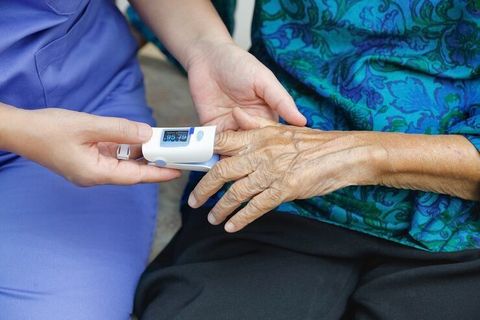
The appropriate timing and frequency of checking depend on the person's diabetes type, treatment, health status, and clinician's instructions. Some older adults may use a blood glucose meter, while others may use continuous glucose monitoring. Technology can reduce some of the work involved in tracking, but the device should be used according to its instructions and the person's care plan.
Individualized glucose goals
There is no single glucose target that fits every older adult. Current guidance emphasizes considering overall health, cognitive and physical function, other chronic conditions, risk of low glucose, and the person's ability to manage daily care.
For some healthy older adults, relatively tighter glucose goals may be appropriate. For people with frailty, significant cognitive or functional limitations, or several serious health conditions, avoiding low glucose and troublesome high-glucose symptoms may receive greater emphasis.
Recent Updates
Diabetes guidance for older adults has continued to place greater emphasis on individualized care rather than applying one target to everyone. Recent guidance also gives more attention to frailty, muscle loss, cognitive function, falls, nutrition, and the practical burden of daily diabetes management.
Continuous glucose monitoring has received increased attention for older adults with type 1 diabetes and for those with type 2 diabetes who use insulin. The technology can provide information about glucose patterns and time spent in different glucose ranges, while traditional blood glucose monitoring remains important when appropriate.
Nutrition guidance has also emphasized adequate protein and protection of muscle mass. Physical activity recommendations increasingly consider aerobic movement together with weight-bearing or resistance activity when these activities can be performed safely. The purpose is not only glucose management but also maintenance of mobility, strength, and independence.
Laws or Policies
In India, diabetes care for older adults is supported through national public-health programmes rather than one single diabetes-specific law. The National Programme for Prevention and Control of Non-Communicable Diseases includes population screening, early identification, management, health education, follow-up, and referral for common non-communicable diseases such as diabetes.
Population-based screening under the programme covers adults aged 30 years and above. Primary health facilities can conduct risk assessment, blood glucose checks, health education, and follow-up, while people with complicated conditions may be referred to higher facilities.
The National Programme for Health Care of the Elderly also provides a framework for preventive, diagnostic, treatment, rehabilitative, and home-based care for older adults through public health facilities. These programmes are relevant because diabetes in later life often needs to be considered alongside mobility, nutrition, vision, cognitive function, and other age-related concerns.
Public health guidance can change as programmes and clinical recommendations are updated. Local health facilities may also apply state-level procedures within the national framework.
Tools and Resources
A simple tracking notebook or spreadsheet can help organize glucose readings, meals, activity, symptoms, and questions for medical appointments. A digital glucose meter or continuous glucose monitor may also provide readings that can be reviewed as part of an individualized care plan.
Useful resources
- A glucose log can record date, time, reading, meal timing, activity, and symptoms.
- A meal-planning template can help organize vegetables, whole grains or other high-fibre carbohydrate sources, protein foods, and appropriate portions.
- A medication list can record prescribed medicines, timing, and any changes made by the treating clinician.
- A foot-check checklist can remind a person to look for redness, swelling, blisters, cuts, cracks, or changes in skin condition.
- A care-partner notes sheet can record questions, appointments, unusual symptoms, and changes in daily function.
Food choices generally focus on balanced meals, adequate nutrition, appropriate portions, and attention to carbohydrate intake. Older adults should also avoid unintentionally eating too little, because inadequate nutrition and muscle loss can create additional health concerns.
Physical activity may include walking, gentle cycling, chair exercises, balance activities, or resistance movements, depending on mobility and health status. People with balance problems, significant weakness, foot problems, heart or breathing concerns, or other limitations may need an individualized activity plan.
Safety also includes checking feet regularly, staying adequately hydrated, taking medicines only as prescribed, keeping glucose-monitoring supplies in working order, and knowing how to respond to unusually low or high readings. Family members or caregivers may need to understand the person's routine when memory, vision, mobility, or other functional issues make self-management difficult.
FAQs
What are common diabetes symptoms in seniors?
Common symptoms can include increased thirst, frequent urination, tiredness, blurred vision, slow wound healing, and unexplained weight changes. Some older adults may have few symptoms, so routine screening and monitoring can be important.
How often should seniors check blood glucose?
There is no universal schedule. Frequency depends on diabetes type, treatment, glucose patterns, health status, and the person's care plan. A clinician can determine when a meter or continuous glucose monitor should be used.
What should diabetes nutrition for seniors include?
Diabetes nutrition for seniors generally emphasizes balanced meals, vegetables, high-fibre carbohydrate sources, adequate protein, and suitable portions. Meal planning should also consider appetite, chewing or swallowing difficulties, kidney health, cultural food preferences, and the risk of undernutrition.
Is physical activity safe for older adults with diabetes?
Many older adults can participate in some form of physical activity, but the appropriate type and intensity vary. Walking, balance work, and resistance exercises may be included when they can be performed safely and fit the person's health and mobility.
What are important diabetes safety tips for seniors?
Important safety areas include recognizing low or high glucose symptoms, checking feet, keeping monitoring equipment usable, following the prescribed treatment plan, avoiding missed meals when they could create risk, and involving a trusted caregiver when daily tasks are difficult.
Conclusion
Diabetes care in seniors combines glucose tracking with nutrition, physical activity, symptom awareness, foot protection, and practical safety routines. Older adults can have very different health needs, so glucose goals and daily routines are generally individualized. Recent guidance places greater attention on frailty, muscle preservation, cognitive and functional abilities, and the practical burden of diabetes management. Public health programmes in India also support screening, follow-up, and broader care for diabetes and older adults.