Teeth Whitening Explained: Methods, Whitening Options, Benefits, Results and Key Considerations
Teeth whitening is an approach used to lighten the visible color of natural teeth and reduce certain types of discoloration. Teeth can become darker or develop stains over time because of foods, beverages, tobacco exposure, aging, changes within the tooth, or some dental conditions. Whitening may involve mechanical removal of surface stains or chemical bleaching that changes the appearance of colored compounds within the tooth.
Teeth whitening is an approach used to lighten the visible color of natural teeth and reduce certain types of discoloration. Teeth can become darker or develop stains over time because of foods, beverages, tobacco exposure, aging, changes within the tooth, or some dental conditions. Whitening may involve mechanical removal of surface stains or chemical bleaching that changes the appearance of colored compounds within the tooth.
The idea of improving tooth color has developed alongside modern dentistry and oral-care products. Today, teeth whitening options include whitening toothpastes, strips, gels, custom trays, and treatments performed in a dental setting. The appropriate approach depends on the type of discoloration, the condition of the teeth and gums, existing restorations, and the concentration and application method of the whitening material.
How Tooth Discoloration Develops
Tooth discoloration is generally divided into extrinsic and intrinsic staining. Extrinsic stains are found mainly on the outer surface of enamel and may be associated with coffee, tea, cola, strongly colored foods, tobacco, or plaque accumulation. Intrinsic discoloration occurs within the enamel or dentin and may be associated with aging, dental development, fluorosis, trauma, or certain childhood exposures.
This distinction matters because a product designed mainly to remove surface stains may have limited effect on discoloration that originates deeper within the tooth. Whitening therefore does not produce the same type of change for every person.
How Whitening Works
Many chemical whitening methods use hydrogen peroxide or carbamide peroxide. These substances can move through dental hard tissues and interact with colored compounds, helping make them less visibly concentrated. Carbamide peroxide gradually releases hydrogen peroxide, while hydrogen peroxide acts more directly.
Whitening toothpastes work differently. Their main action is often mechanical removal of surface stains through polishing ingredients, although some formulations also contain low levels of peroxide. This means a whitening toothpaste may improve the appearance of surface staining without substantially changing the natural internal color of a tooth.
Importance
Teeth whitening matters because tooth color can change gradually without people noticing the individual causes. A person may notice discoloration after years of consuming strongly colored drinks, while another person may have naturally darker teeth or discoloration that developed during tooth formation.
Understanding whitening options can also help people distinguish between surface staining and conditions that require dental attention. A dark or unusual area on one tooth, for example, can have a different cause from generalized staining across many teeth.
Common Reasons People Explore Whitening
Common reasons include:
- Surface staining from coffee, tea, or colored foods
- Tobacco-related discoloration
- Age-related changes in tooth appearance
- Desire to reduce visible staining after orthodontic treatment
- Discoloration associated with certain dental conditions
- Uneven tooth color caused by differences between natural teeth and restorations
Whitening is primarily an appearance-related procedure. It does not replace regular brushing, interdental cleaning, preventive dental care, or treatment of cavities and gum problems.
Natural Teeth and Dental Restorations
An important consideration is that bleaching affects natural tooth structure rather than most tooth-colored restorations. Crowns, veneers, fillings, and other restorative materials may not change shade in the same way as natural teeth. As a result, whitening can sometimes make differences between natural teeth and restorations more noticeable.
A dental examination can also help identify discoloration associated with decay, trauma, or other conditions before whitening is considered. This is particularly relevant when only one tooth has changed color or when discoloration appears suddenly.
Recent Updates
From 2024 through 2026, the general direction of teeth whitening has continued toward a wider range of home-use products, dentist-supervised home treatments, and in-office procedures. Current dental information continues to distinguish between surface stain removal and peroxide-based bleaching rather than treating every whitening product as equivalent.
Growing Range of Whitening Options
Whitening strips, toothpastes, gels, trays, rinses, and paint-on products remain part of the consumer landscape. Research reviews have examined both their whitening effects and possible adverse effects, with tooth sensitivity and gum irritation among the commonly reported concerns.
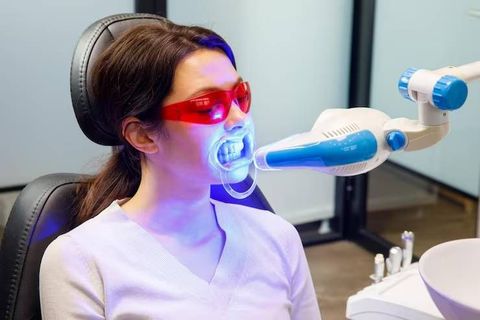
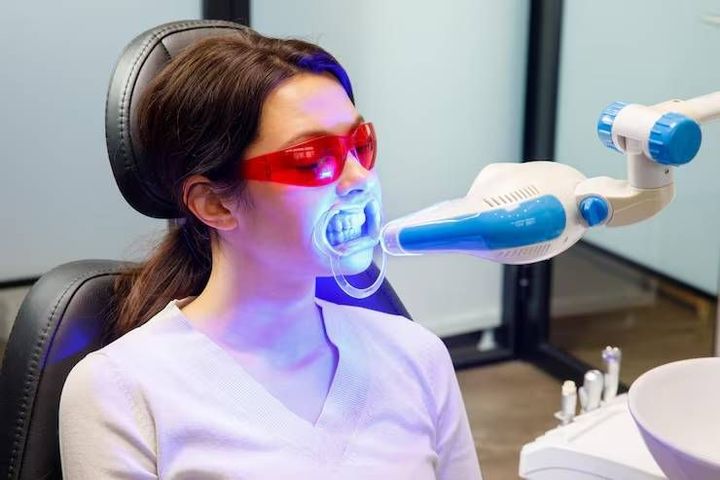
Light-activated whitening systems also continue to appear in dental settings. Light may be used with certain peroxide-based procedures, but the treatment method, peroxide concentration, exposure period, and protective measures can vary.
Greater Attention to Repeated Whitening
Recent discussions have also placed greater attention on repeated or excessive use of whitening products. Frequent exposure can increase the likelihood of sensitivity, gum irritation, and changes to tooth surfaces. The amount and frequency of exposure are therefore important parts of understanding whitening results.
Current information also continues to question unsupported DIY approaches involving household acids, abrasive mixtures, or charcoal. Evidence for some of these methods is limited, and abrasive approaches may damage the tooth surface rather than safely change its underlying color.
Comparison of Common Whitening Options
| Whitening option | Main purpose | Typical approach | Important consideration |
|---|---|---|---|
| Whitening toothpaste | Surface stain removal | Regular brushing | Limited effect on deep discoloration |
| Whitening strips | Chemical whitening | Repeated home application | Sensitivity or gum irritation may occur |
| Whitening gel and tray | Bleaching | Tray-based application | Fit and concentration affect exposure |
| Dentist-supervised home whitening | Controlled bleaching | Custom tray and prescribed material | Treatment plan varies by individual |
| In-office whitening | More concentrated bleaching | Dental-setting application | Soft tissues require protection |
| Enamel microabrasion | Certain surface defects | Controlled removal of a thin enamel layer | Mainly relevant to superficial enamel changes |
The table describes general categories rather than predicting an individual result.
Laws or Policies
In India, teeth whitening exists within the broader framework governing dentistry, dental professionals, oral-care products, and advertising. The National Dental Commission Act, 2023 provides the current statutory framework for dental education and professional regulation, and the National Dental Commission came into effect in March 2026, replacing the former Dental Council of India.
Dental Professional Regulation in India
The Dentists Act, 1948 historically established the statutory framework for regulating dentistry and dental registration in India. The newer National Dental Commission framework now governs the profession through the Commission and its autonomous boards.
Professional conduct is also relevant to public information about dental treatments. Earlier dental ethics regulations prohibited false promises and misleading advertising, and the current regulatory transition continues to place professional conduct and registration under formal oversight.
Rules for Oral-Care Products
India's Cosmetics Rules, 2020 include toothpaste, tooth-cleansing powders or salts, other tooth-care products, and mouthwash among cosmetic categories. The Central Drugs Standard Control Organisation also states that cosmetics must comply with applicable quality and safety requirements and must not make false or misleading claims.
These rules concern products placed on the market and do not mean that every whitening approach has the same regulatory classification. Professional dental procedures and consumer oral-care products can fall under different regulatory frameworks.
Tools and Resources
Several resources can help readers understand teeth whitening without relying only on product advertising or informal online advice.
Dental Information Resources
The American Dental Association provides educational information covering whitening mechanisms, types of stains, whitening products, sensitivity, and dental restorations. Its Seal of Acceptance information also explains categories for home-use tooth-bleaching products and stain-removal products.
For readers in India, the National Dental Commission website provides information about the current dental regulatory framework and the Indian Dentists Register. The Ministry of Health and Family Welfare also maintains oral-health resources and treatment-guideline information.
Useful Comparison Tools
A simple comparison checklist can help organize information about a whitening method:
- Type of discoloration being addressed
- Active whitening ingredient
- Application method
- Intended frequency of use
- Possible tooth sensitivity
- Possible gum irritation
- Effect on existing restorations
- Whether professional supervision is involved
- Instructions and warnings provided with the product
These factors are more informative than judging a whitening method only by photographs or claims about rapid changes.
FAQs
What is teeth whitening and how does it work?
Teeth whitening is an approach for reducing discoloration or lightening the appearance of natural teeth. Peroxide-based methods can chemically interact with colored compounds, while whitening toothpastes mainly remove surface stains through mechanical cleaning.
Which teeth whitening options are available?
Common teeth whitening options include whitening toothpaste, strips, gels, tray-based treatments, dentist-supervised home whitening, and in-office bleaching. Their ingredients, concentrations, application methods, and treatment periods can differ.
Can teeth whitening remove every type of stain?
No. Whitening may have different effects depending on whether discoloration is extrinsic or intrinsic. Some deeper discoloration may respond less predictably, and restorations such as crowns or fillings generally do not whiten like natural teeth.
Why can teeth become sensitive after whitening?
Peroxide-based bleaching can temporarily increase tooth sensitivity, particularly during or shortly after treatment. Gum irritation can also occur when whitening material contacts soft tissue. The likelihood and intensity can vary according to the whitening material, concentration, exposure, and individual dental condition.
Are charcoal or household methods reliable teeth whitening options?
Evidence for several DIY approaches is limited. Some abrasive or acidic methods may affect the tooth surface without providing a predictable whitening effect, so they should not be treated as equivalent to established whitening methods.
Conclusion
Teeth whitening includes several approaches, ranging from surface-stain removal to peroxide-based bleaching. The appearance of discoloration depends on its source, and natural teeth may respond differently from dental restorations. Current information emphasizes understanding ingredients, application methods, sensitivity, and repeated exposure rather than assuming every whitening option produces the same result. In India, dental professionals and oral-care products operate within established regulatory frameworks, with the National Dental Commission now serving as the principal dental regulator.