Cement Production Machinery Guide: Manufacturing Processes, Equipment Types and Operating Principles
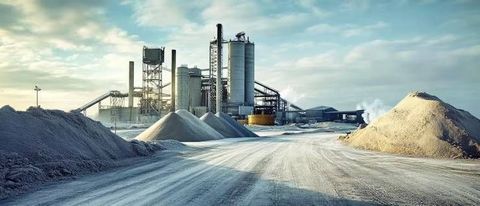
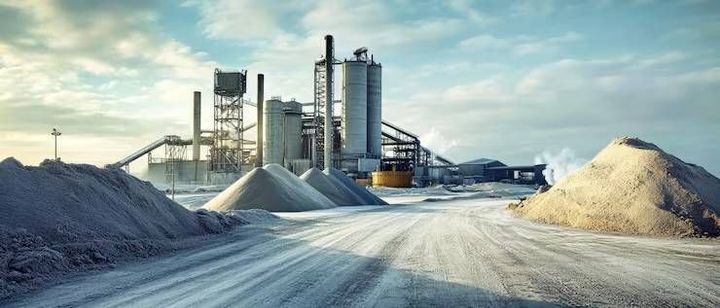
Cement production machinery includes the industrial equipment used to transform limestone, clay, and other mineral materials into cement. Cement is an essential component of concrete and mortar, which are widely used in buildings, roads, bridges, foundations, and other infrastructure. Modern cement plants combine material preparation, high-temperature processing, grinding, storage, and quality control into a coordinated manufacturing system.
Context
Cement production machinery includes the industrial equipment used to transform limestone, clay, and other mineral materials into cement. Cement is an essential component of concrete and mortar, which are widely used in buildings, roads, bridges, foundations, and other infrastructure. Modern cement plants combine material preparation, high-temperature processing, grinding, storage, and quality control into a coordinated manufacturing system.
Cement manufacturing developed from earlier lime-burning techniques and expanded with the introduction of Portland cement during the nineteenth century. As construction requirements increased, rotary kilns, mechanical crushers, industrial mills, and automated control systems became important parts of cement production. Today, cement production machinery is designed to handle large quantities of raw materials while maintaining consistent product characteristics and managing energy use and emissions.
Understanding the Cement Manufacturing Process
Cement production generally follows several connected stages. Each stage uses particular equipment to prepare materials, create clinker, and produce the final powdered cement.
The main stages include:
Raw material extraction: Limestone, clay, and other minerals are obtained from quarries or approved sources.
Crushing and preparation: Large pieces of rock are reduced to smaller sizes.
Raw meal grinding: Prepared materials are ground and blended into a fine powder.
Clinker production: The raw meal is heated in a kiln, where chemical reactions form hard nodules called clinker.
Cement grinding: Clinker is ground with gypsum and, depending on the cement type, other permitted constituents.
Storage and dispatch: Finished cement is stored in silos before being transferred to bulk transport or packaged in bags.
The exact arrangement depends on the plant's production method, raw materials, cement varieties, and environmental requirements.
Importance
Cement production machinery matters because cement is widely used in construction and infrastructure development. Equipment performance affects production consistency, energy consumption, material handling, workplace safety, and the environmental impact of manufacturing. Equipment failures or poor process control can interrupt production and create quality variations.
The machinery also helps plants manage the physical and chemical changes that occur during cement manufacturing. Crushing equipment prepares mineral feed, grinding mills create fine powders, and kilns provide the heat required for clinker formation. Dust collection systems and process-monitoring instruments help manage emissions and maintain operating conditions.
Main Types of Cement Production Equipment
Different machines perform specific functions within a cement plant.
Crushers: Jaw, impact, and hammer crushers reduce large pieces of limestone and other materials to manageable sizes.
Raw mills: Vertical roller mills and horizontal ball mills grind and mix raw materials into a suitable powder.
Rotary kilns: Long, rotating, refractory-lined cylinders heat raw meal to the temperatures needed for clinker formation.
Preheaters and calciners: These systems use hot kiln gases to warm raw meal and promote carbonate decomposition before the material enters the main kiln.
Clinker coolers: Grate or other industrial coolers reduce clinker temperature and recover heat for use elsewhere in the process.
Cement mills: Grinding systems reduce clinker and other permitted ingredients to the required fineness.
Conveyors and elevators: Mechanical systems move materials between processing stages.
Dust collectors: Bag filters and other collection equipment capture particulate matter from selected process streams.
Packing and loading systems: These handle bagged cement and bulk transfers to trucks, rail vehicles, or other transport systems.
Equipment and Its Operating Principles
| Equipment | Main function | Basic operating principle |
|---|---|---|
| Crusher | Reduce rock size | Compression, impact, or repeated mechanical force |
| Raw mill | Grind and blend raw materials | Rotating grinding elements or rollers apply force |
| Preheater | Warm raw meal | Hot gases transfer heat to moving material |
| Rotary kiln | Form clinker | Rotation and high-temperature reactions transform the feed |
| Clinker cooler | Lower clinker temperature | Air or another cooling arrangement removes heat |
| Cement mill | Grind clinker and additives | Grinding media or rollers reduce particle size |
| Bag filter | Capture airborne dust | Gas passes through filter material that retains particles |
| Conveyor | Transport materials | Belts, screws, or other mechanisms move material |
Machine design and operating settings vary by manufacturer and plant configuration. A machine's actual output depends on factors such as feed characteristics, equipment condition, process settings, and the properties required of the finished cement.
Recent Updates
Cement production technology has increasingly focused on reducing energy use, lowering greenhouse gas emissions, improving process visibility, and incorporating alternative materials where technically appropriate. From 2024 through 2026, these developments have continued alongside efforts to modernize existing plants and improve industrial process control. The adoption rate varies according to plant age, location, investment decisions, and available infrastructure.
Automation and Digital Process Control
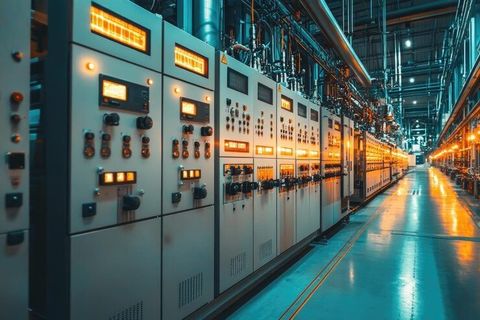
Modern cement plants can use distributed control systems, sensors, programmable logic controllers, and industrial software to monitor production. These systems track variables such as kiln temperature, gas pressure, material flow, mill vibration, and equipment operating status.
Some facilities also use predictive maintenance tools that examine sensor readings to identify unusual patterns before a failure occurs. Digital monitoring can help operators investigate production changes and schedule maintenance, although reliable results depend on suitable sensors, accurate data, and trained personnel.
Energy Efficiency and Emissions Reduction
Industrial improvements include more efficient grinding systems, heat recovery, optimized kiln operation, and upgrades to older equipment. Alternative fuels may also be used in certain kilns where fuel characteristics, emissions controls, permits, and process conditions allow them.
Carbon capture technology is another area of development. These systems are intended to separate carbon dioxide from industrial gas streams for subsequent transport, use, or storage, depending on the project. Cement plants face a particular challenge because a substantial share of process emissions comes from the chemical decomposition of limestone, not just fuel combustion.
Other developments include the use of supplementary cementitious materials, improved thermal insulation, and process designs intended to reduce clinker requirements while maintaining the necessary product properties. The suitability of each approach depends on material availability, product standards, and local operating conditions.
Laws or Policies
Cement manufacturing is affected by environmental regulations, industrial safety requirements, product standards, and permits governing plant operations. The specific rules depend on the country, state, plant capacity, fuel types, and production methods. Compliance typically involves monitoring emissions, maintaining equipment, controlling dust, and testing the cement produced.
Environmental Regulations in India
In India, cement plants are subject to applicable environmental laws and conditions imposed by the relevant authorities. The Central Pollution Control Board (CPCB) and State Pollution Control Boards play important roles in environmental oversight. Depending on the plant and applicable requirements, operators may need environmental clearance, consent to establish, consent to operate, and compliance with prescribed emission and discharge standards.
Environmental controls may address particulate matter, nitrogen oxides, sulphur dioxide, wastewater, and the handling of industrial residues. Plants may use bag filters, electrostatic precipitators, monitoring instruments, and other control systems according to the applicable standards and permit conditions.
Cement Quality and Industrial Safety
The Bureau of Indian Standards (BIS) publishes standards for cement products, including requirements related to composition, strength, setting characteristics, and testing methods. Relevant Indian Standards depend on the cement type. Product conformity and certification requirements should be checked against the current rules applicable to the particular product.
Factories must also follow applicable occupational safety, machinery safety, fire prevention, and worker-protection requirements. Cement plants can present hazards involving moving machinery, hot surfaces, airborne dust, confined spaces, and heavy loads. Guards, isolation procedures, ventilation, protective equipment, and worker training are important elements of industrial risk management.
Tools and Resources
Several technical resources help readers understand cement production machinery, evaluate process performance, and learn about applicable standards. The appropriate resource depends on whether the task involves general research, plant design, maintenance, environmental compliance, or product testing.
Technical Documentation and Industry Resources
Equipment manuals and engineering drawings explain machine components, operating limits, maintenance intervals, and safety precautions. Plant process-flow diagrams show how crushers, mills, preheaters, kilns, coolers, and storage systems connect.
The websites of the CPCB, BIS, and the Ministry of Environment, Forest and Climate Change provide information relevant to Indian environmental requirements and technical standards. The International Energy Agency (IEA) also publishes research on cement production, energy efficiency, and industrial emissions.
Monitoring and Calculation Tools
Common tools used in cement plants include:
Energy consumption calculators: Estimate energy use per tonne of cement or clinker from recorded production and energy data.
Mass-balance spreadsheets: Track material inputs, outputs, and process losses.
Process monitoring systems: Display equipment conditions, temperature readings, pressure, flow rates, and alarms.
Maintenance records: Track inspections, vibration measurements, repairs, and equipment downtime.
Laboratory testing equipment: Measure cement properties according to relevant testing standards.
These tools support process analysis, but their results depend on accurate measurements, appropriate calculation methods, and correct interpretation of the data.
FAQs
What machinery is used in cement production?
Cement production machinery includes crushers, raw mills, preheaters, rotary kilns, clinker coolers, cement mills, conveyors, dust collectors, and packing systems. Each machine performs a specific role in transforming mineral materials into finished cement.
How does a rotary kiln work in cement manufacturing?
A rotary kiln is a slowly rotating, refractory-lined cylinder that heats prepared raw meal. The high-temperature environment drives chemical reactions that produce clinker, which is then cooled and ground with other suitable ingredients.
What is the difference between a raw mill and a cement mill?
A raw mill grinds and blends limestone, clay, and other raw materials before clinker production. A cement mill grinds clinker with gypsum and, depending on the product, other permitted constituents to produce the finished cement powder.
How does automation improve cement plant operation?
Automation systems monitor process variables, regulate equipment, and provide alarms when operating conditions move outside specified limits. They can support consistent operation and maintenance planning, but their effectiveness depends on system design, data quality, and operator oversight.
Which environmental rules apply to cement production machinery in India?
Applicable requirements may include environmental clearance, pollution-control permissions, emission limits, and monitoring conditions set by the relevant authorities. Cement product standards and workplace safety rules may also apply, depending on the equipment and facility.
Conclusion
Cement production machinery connects raw material preparation, grinding, clinker formation, cooling, and final cement processing. Crushers, mills, kilns, conveyors, and pollution-control equipment each perform distinct functions within the manufacturing system. Automation, energy efficiency improvements, and emissions-reduction technologies are influencing how plants operate. Environmental rules, product standards, and industrial safety requirements also shape equipment selection and plant management.

You May Also Like