Satellite Ground Station Automation Guide: Technologies, Operations, Applications and Challenges
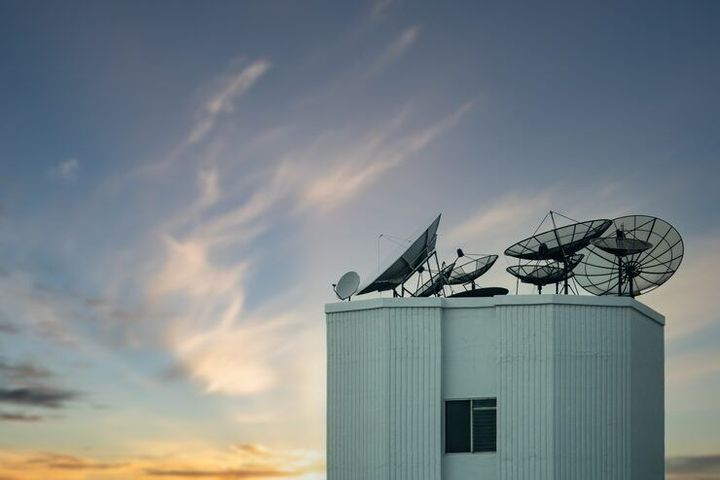
Satellite ground station automation is the use of software, control systems, sensors, and communication equipment to manage satellite communication activities with limited manual intervention. A satellite ground station is a facility on Earth that sends commands to satellites, receives data from them, and monitors their operating conditions. It may include antennas, radio-frequency equipment, tracking systems, computers, network connections, and facilities for processing received information.
Context
Satellite ground station automation is the use of software, control systems, sensors, and communication equipment to manage satellite communication activities with limited manual intervention. A satellite ground station is a facility on Earth that sends commands to satellites, receives data from them, and monitors their operating conditions. It may include antennas, radio-frequency equipment, tracking systems, computers, network connections, and facilities for processing received information.
Ground stations became important as satellite communication expanded for weather observation, navigation, broadcasting, scientific research, and telecommunications. Early ground station operations relied heavily on human operators to point antennas, establish communication links, monitor equipment, and record information. As satellite networks grew, automated systems became increasingly useful for coordinating frequent satellite passes and handling larger volumes of data.
How Satellite Ground Station Automation Works
Satellite ground station automation connects several operational tasks through a central software environment. Depending on the system, software may schedule satellite contacts, direct antennas, configure radio equipment, monitor signal quality, receive data, and report equipment problems.
A typical automated process includes these stages:
Contact scheduling: Software determines when a satellite is expected to be visible from a ground station and assigns communication periods.
Antenna tracking: Tracking equipment adjusts the antenna's direction as a satellite moves across the sky.
Radio configuration: Control systems set suitable communication frequencies, bandwidths, and operating parameters.
Data reception and transmission: Ground equipment exchanges information with the satellite during an authorized communication window.
Monitoring and logging: Software records operational events, equipment status, and communication results for later review.
Not every ground station automates all these tasks. Some systems require human approval for critical commands, unusual operating conditions, or changes that could affect satellite operations.
Main Technologies Used
Satellite ground station automation combines hardware and software technologies that coordinate communication and equipment control.
Antenna positioning systems use motors, encoders, and tracking calculations to maintain alignment with a moving satellite. Radio-frequency equipment manages the transmission and reception of signals, while modems convert information into formats suitable for communication over a satellite link.
Control software connects these components with scheduling databases, telemetry displays, alarm systems, and data-processing applications. Network connections allow authorized operators to monitor stations remotely, while security controls help restrict access to sensitive equipment and command functions.
Importance
Satellite ground station automation matters because satellite operations depend on accurate timing, reliable communication, and coordinated equipment control. A satellite may remain within the useful viewing range of a particular station for only a limited period, depending on its orbit and the station's location. Missed communication windows can delay data collection, command delivery, or the transfer of information to users.
Automation also helps organizations coordinate multiple satellites and ground stations. Weather agencies, research institutions, telecommunications operators, navigation-related organizations, and Earth observation programs may all depend on ground infrastructure to move information between satellites and terrestrial systems.
Operational Benefits and Practical Challenges
Automated workflows can reduce repetitive manual tasks and help operators manage complex schedules. Consistent configuration procedures can also reduce some human errors, while automated alarms may help identify equipment faults or unexpected changes in signal quality.
However, automation does not eliminate operational risks. Incorrect schedules, software defects, network interruptions, equipment failures, or inaccurate tracking information can disrupt communication. Systems therefore need testing, monitoring, documented procedures, and suitable methods for manual intervention.
Comparing Manual and Automated Operations
| Operational activity | Primarily manual approach | Automated approach |
|---|---|---|
| Contact scheduling | Operator prepares schedules | Software calculates and assigns contacts |
| Antenna tracking | Operator directs or supervises movement | Tracking system adjusts antenna position |
| Radio configuration | Operator enters settings | Software applies approved configurations |
| Equipment monitoring | Periodic human checks | Continuous monitoring and alerts |
| Data handling | Manual transfer and organization | Automated reception, storage, and routing |
| Fault response | Operator investigates reported issues | System detects selected faults and triggers alerts |
Actual arrangements vary by station. Automated systems commonly retain human oversight for decisions involving safety, mission priorities, cybersecurity, and unusual operating conditions.
Recent Updates
From 2024 through 2026, satellite ground station automation has continued to develop alongside larger satellite constellations, cloud-based computing, software-defined radio, and more flexible ground infrastructure. These developments reflect a broader shift toward coordinating distributed stations through software rather than operating each facility as an isolated system. The level of automation differs across commercial, scientific, government, and educational programs.
Software-Defined Radio and Virtualized Ground Systems
Software-defined radio allows certain signal-processing functions to be adjusted through software rather than relying entirely on fixed hardware configurations. Depending on the equipment, this can simplify the management of different communication formats and operating requirements.
Virtualized systems and cloud-connected control platforms can also support centralized scheduling, data processing, and remote monitoring. Some organizations use these approaches to coordinate geographically separated antennas or share computing resources. However, real-time control, network reliability, data security, and regulatory requirements still influence which functions can be moved away from the physical station.
Artificial Intelligence and Predictive Monitoring
Artificial intelligence and data-analysis techniques are being explored for equipment monitoring, scheduling assistance, anomaly detection, and maintenance planning. For example, software can analyze historical equipment readings to identify patterns that may indicate a developing fault.
These methods depend on the quality of the underlying data and the suitability of the analytical model. An automated alert is not necessarily proof of a fault, and systems that affect satellite commands require careful testing and appropriate human oversight.
Multi-Satellite and Distributed Operations
The growth of satellite fleets has increased the importance of coordinating antenna availability, communication windows, and data-handling capacity. Some ground networks use shared scheduling systems to assign contacts across multiple locations, subject to equipment compatibility and operational priorities.
Distributed operations can improve flexibility, but they also create coordination challenges. Differences in antenna capability, local weather, network availability, and regulatory authorization may affect whether a station can support a particular satellite at a given time.
Laws or Policies
Satellite ground station automation is governed by several overlapping areas of regulation, including radio-frequency use, satellite communications, cybersecurity, data protection, and national space policy. Requirements depend on the country, the station's ownership, the satellite involved, and the nature of the communication.
Satellite Ground Station Regulations in India
In India, satellite communication and ground station operations fall within a regulatory framework involving the Department of Telecommunications (DoT), the Wireless Planning and Coordination Wing (WPC), and the Indian National Space Promotion and Authorization Centre (IN-SPACe), depending on the activity and applicable rules.
The WPC is involved in spectrum management and relevant wireless licensing or authorization procedures. The Department of Telecommunications administers telecommunications policy and licensing matters, while IN-SPACe facilitates and authorizes eligible non-government space activities within its mandate. The precise permissions required depend on the station, frequency band, purpose, and operating arrangement.
India's space policy framework also supports participation by non-government entities in authorized space activities. Organizations should determine which approvals, spectrum permissions, equipment requirements, and coordination procedures apply before operating a ground station.
International Coordination and Cybersecurity
Satellite communications can involve international spectrum coordination and technical standards. The International Telecommunication Union (ITU) develops international radio regulations and coordinates aspects of spectrum use and satellite orbit resources among its member states. National authorities implement relevant requirements within their jurisdictions.
Cybersecurity is another important consideration because automated ground stations rely on networked computers, control software, and remote access. Organizations may use access controls, encryption, system logging, software updates, network separation, and incident-response procedures to protect equipment and operational data.
Not all security measures are legally mandatory in every setting. Operators must assess the regulations and contractual requirements that apply to their activities, including any obligations relating to sensitive information or critical infrastructure.
Tools and Resources
Several technical resources help engineers, researchers, and station operators understand satellite visibility, configure communication systems, and manage ground station operations. The appropriate tools depend on the satellite's orbit, radio equipment, mission requirements, and level of automation.
Satellite Tracking and Orbit Tools
Orbit prediction software calculates a satellite's expected position using orbital data. These calculations help determine visibility periods, antenna pointing requirements, and potential communication windows. Their accuracy depends on the quality and age of the orbital information and the capabilities of the software.
Examples of relevant resources include:
CelesTrak: Publishes satellite orbital data and related technical information.
NASA resources: Provide educational material and technical information about satellite missions and space communication.
European Space Agency resources: Explain satellite operations, ground infrastructure, and related space technologies.
GNU Radio: A software toolkit used in software-defined radio experimentation and signal-processing applications.
These resources serve different purposes. Orbital information does not itself authorize radio transmission, and software-defined radio tools require suitable hardware and lawful operating arrangements when used for actual communication.
Monitoring, Scheduling, and Control Tools
Ground station control platforms can combine antenna commands, contact schedules, radio settings, telemetry, alarms, and data-transfer records. Some are developed for specific missions, while others support reusable workflows across multiple satellites and facilities.
Operational teams may also use maintenance logs, incident-report templates, equipment checklists, and scheduling dashboards. Useful records include scheduled contact times, actual communication periods, equipment status, signal measurements, command history, and fault-resolution notes.
Planning and Testing Resources
Before an automated workflow is used operationally, simulation and testing tools can help assess timing, tracking calculations, equipment configuration, and fault-handling procedures. Testing should cover expected conditions as well as failures such as network loss, incorrect settings, or unavailable hardware.
A structured operational checklist can include authorization status, orbital data validity, antenna readiness, radio configuration, network connectivity, data storage capacity, and emergency procedures. The exact checklist should reflect the station's equipment and mission responsibilities.
FAQs
What is satellite ground station automation?
Satellite ground station automation uses software and control equipment to manage tasks such as satellite scheduling, antenna tracking, radio configuration, data reception, and equipment monitoring. Human oversight may remain necessary for critical decisions.
Which technologies are used in satellite ground station automation?
Common technologies include antenna tracking systems, radio-frequency equipment, software-defined radio, scheduling software, telemetry monitoring, network control systems, and automated data-processing tools.
How does satellite ground station automation improve operations?
Automation can coordinate communication windows, reduce repetitive manual work, apply consistent equipment settings, and identify selected faults through monitoring systems. Its effectiveness depends on system design, testing, and operational conditions.
What regulations apply to satellite ground stations in India?
Requirements may involve the Department of Telecommunications, the WPC, and IN-SPACe, depending on the activity. Spectrum permissions, licensing, and other approvals should be assessed according to the station's intended operations.
What are the main challenges in satellite ground station automation?
Common challenges include cybersecurity risks, equipment failures, inaccurate orbital data, network interruptions, software defects, scheduling conflicts, and the need for compatibility between different systems.
Conclusion
Satellite ground station automation coordinates antenna tracking, radio communication, scheduling, monitoring, and data handling through connected software and equipment. Developments in software-defined radio, distributed networks, and analytical tools are expanding the ways ground stations can be managed. Reliable operation still depends on testing, cybersecurity, equipment maintenance, human oversight, and compliance with applicable regulations. The specific design of an automated ground station reflects its mission, communication requirements, and operating environment.

You May Also Like