Vietnam Household Energy Guide: Electricity Usage, Energy Sources, Appliances and Conservation Methods
The Vietnam Household Energy Guide explains how electricity is used in homes, which energy sources support daily activities, how household appliances consume power, and which conservation methods can reduce unnecessary energy use. Household energy needs have changed alongside urban development, rising access to electrical appliances, expanding housing, and changing lifestyles. Electricity now supports lighting, cooking, cooling, refrigeration, entertainment, communications, and many other everyday activities.
Context
The Vietnam Household Energy Guide explains how electricity is used in homes, which energy sources support daily activities, how household appliances consume power, and which conservation methods can reduce unnecessary energy use. Household energy needs have changed alongside urban development, rising access to electrical appliances, expanding housing, and changing lifestyles. Electricity now supports lighting, cooking, cooling, refrigeration, entertainment, communications, and many other everyday activities.
Vietnam's household energy use reflects its climate, geography, population distribution, and energy infrastructure. Electricity is supplied through a national power system that uses several generation sources, including hydropower, coal, natural gas, and renewable energy. Some households also use liquefied petroleum gas (LPG), biomass, or other fuels for cooking and heating, depending on their location and available equipment.
Understanding Household Energy Sources
Household energy comes from sources that provide electricity or directly supply heat for domestic activities. The mix differs between urban and rural areas, and between homes connected to reliable electricity networks and those with different local energy arrangements.
Common household energy sources include:
Electricity: Used for lighting, fans, air conditioners, refrigerators, televisions, computers, and electric cooking appliances.
LPG: Commonly used in gas stoves for preparing meals.
Biomass: Wood, agricultural residues, and other organic materials may be used for cooking in some rural households.
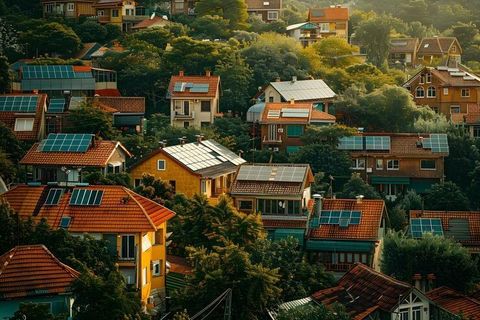
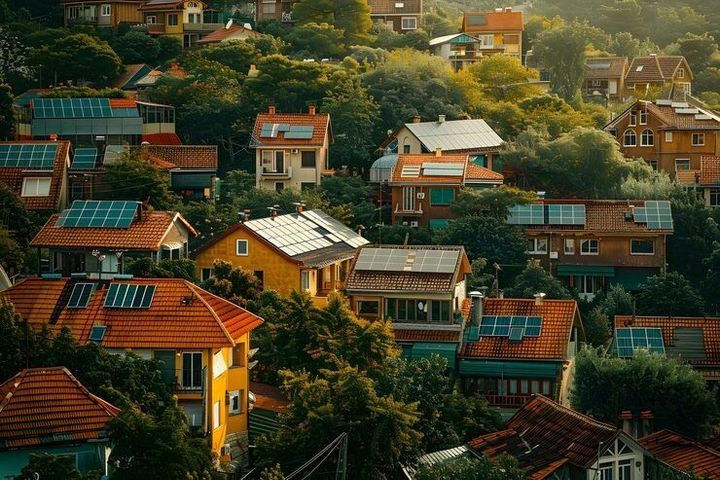
Solar energy: Rooftop solar photovoltaic systems generate electricity from sunlight, while solar thermal equipment can heat water.
Grid-generated renewable electricity: Hydropower, wind, and solar installations contribute to the wider electricity supply.
These sources serve different purposes. Electricity is versatile and can operate many appliances, while cooking fuels may remain important where electric cooking equipment is unavailable or unsuitable for household needs.
Importance
Household energy affects comfort, health, daily routines, and family budgets. In Vietnam, hot and humid weather in many regions increases demand for fans and air conditioning, while refrigerators help preserve food and electric pumps may support domestic water use. Seasonal weather, household size, building design, and appliance choices all influence electricity consumption.
Understanding energy use also helps households recognize waste and manage demand. Leaving cooling equipment running in empty rooms, using inefficient appliances, or operating several high-power devices simultaneously can increase electricity consumption. In some locations, high seasonal demand can also place additional pressure on the power system.
Factors That Influence Household Electricity Usage
Several factors help explain why two homes may consume different amounts of electricity:
Climate: Hot weather can increase air-conditioning use, while local seasonal conditions influence cooling and heating needs.
Home design: Insulation, roof materials, window placement, shading, and ventilation affect indoor temperatures.
Appliance efficiency: Different models can use different amounts of electricity to perform similar tasks.
Household routines: Cooking frequency, laundry, working from home, and occupancy patterns influence daily demand.
Appliance condition: Poor maintenance, damaged seals, or blocked ventilation can affect equipment performance.
Electricity tariffs: Applicable billing arrangements influence the amount households pay for their consumption.
Electricity consumption is commonly measured in kilowatt-hours (kWh). A device's power rating, measured in watts, indicates how quickly it uses energy while operating. Actual consumption depends on its power draw, operating time, settings, and usage pattern.
Typical Household Appliances and Their Energy Use
The following table gives illustrative examples rather than measured averages for Vietnamese homes. Actual consumption varies by appliance model, operating conditions, and frequency of use.
| Appliance | Main household purpose | Main factor affecting consumption |
|---|---|---|
| Air conditioner | Indoor cooling | Temperature setting and operating hours |
| Refrigerator | Food preservation | Size, efficiency, temperature, and door opening |
| Electric rice cooker | Rice preparation and warming | Cooking duration and warming time |
| Electric water heater | Heating water | Water temperature and usage volume |
| Washing machine | Laundry | Cycle selection, water temperature, and load |
| LED lighting | Indoor and outdoor illumination | Wattage and hours of use |
| Electric fan | Air movement | Power rating and operating duration |
For example, an appliance rated at 1,000 watts uses 1 kWh if it operates at that power for one hour. A 100-watt device operating for five hours uses 0.5 kWh. These calculations provide estimates; real appliances may not draw their rated power continuously.
Recent Updates
Vietnam's household energy landscape is changing as electricity demand grows, renewable generation expands, and energy efficiency receives greater attention. Developments during 2024–2026 have included continued planning for power-system expansion, interest in rooftop solar, and efforts to improve electricity management. The effect on an individual household depends on local infrastructure, regulations, equipment, and the applicable electricity tariff.
Rooftop Solar and Household Energy Management
Rooftop solar photovoltaic systems convert sunlight into electricity for household use. Their output depends on panel capacity, sunlight, roof orientation, shading, weather, and system condition. Homes that consume electricity during daylight may use a greater share of their solar generation directly, while other households may need storage or grid electricity to meet demand outside sunny periods.
Vietnam's regulatory framework for rooftop solar and self-consumption has developed in recent years. The applicable rules for installation, registration, grid connection, and any electricity exported to the grid depend on the system and current regulations. Households should distinguish between generating electricity for their own use and arrangements that involve supplying electricity to the grid.
Efficient Appliances and Smart Controls
Energy-efficient air conditioners, inverter-driven equipment, LED lighting, and programmable controls can help households manage electricity use. Inverter technology adjusts equipment operation to changing demand rather than relying only on repeated full-power switching, although actual performance depends on the model and operating conditions.
Smart meters and monitoring applications may help households review consumption patterns where these tools are available. Timers, temperature controls, and appliance-level energy meters can also reveal which activities use the most electricity. Such tools are most informative when readings are reviewed over comparable periods and alongside changes in household routines.
Climate and Electricity Demand
Weather conditions influence household electricity demand, especially during hot periods when cooling equipment operates for longer hours. Vietnam's regional climate differences mean that energy requirements can vary between northern, central, and southern areas. Seasonal rainfall, storms, and other weather events may also affect electricity generation and local network reliability.
Laws or Policies
Household energy use in Vietnam is shaped by national electricity legislation, retail tariff rules, energy-efficiency requirements, renewable-energy policies, and technical standards. The details may change as new regulations take effect, so the applicable rules depend on the household's location, equipment, and connection arrangements.
Electricity Regulation and Household Billing
Vietnam's Electricity Law provides a legal framework for electricity generation, transmission, distribution, trading, and consumption. The law and its implementing regulations establish responsibilities and requirements for relevant electricity activities. Households connected to the grid are generally billed under the applicable retail tariff and metering arrangements.
Vietnam has used tiered residential electricity tariffs in which different consumption bands may have different per-unit rates. The structure, thresholds, and applicable prices can be revised by the authorities. Consequently, a household's bill depends on measured consumption, the tariff in force, and any applicable taxes or billing adjustments.
Energy Efficiency and Renewable Energy
Vietnam's Law on Economical and Efficient Use of Energy establishes a framework for reducing unnecessary energy use and improving efficiency. Related policies support energy management, equipment standards, and more efficient use of energy across different sectors. Household practices can complement these wider measures through efficient lighting, appropriate cooling settings, and regular appliance maintenance.
Rooftop solar installations are also affected by regulations covering electrical safety, installation requirements, grid connection, and self-consumption arrangements. Requirements can differ according to system type and whether electricity is exported. Electrical work should follow applicable technical rules and be performed by appropriately qualified personnel where required.
Household Electrical Safety
Households should use electrical equipment according to manufacturer instructions and the relevant safety requirements. Overloaded sockets, damaged cables, wet electrical connections, and unsuitable extension leads can create hazards. Circuit protection, proper grounding, and suitable installation practices help reduce electrical risks.
Tools and Resources
Several resources can help households understand electricity consumption, interpret bills, and explore conservation methods. The usefulness of each resource depends on the household's meter type, appliance information, and access to local energy programs.
Electricity Calculators and Monitoring Tools
An electricity consumption calculator estimates energy use from an appliance's power rating and operating time. The basic formula is:
Energy use (kWh) = Power (watts) × Operating hours ÷ 1,000
For example, a 60-watt fan running for eight hours uses approximately 0.48 kWh, assuming its power draw remains constant. Multiplying estimated consumption by the applicable tariff provides an approximate energy charge before any other bill components are considered.
A household spreadsheet can record monthly meter readings, electricity bills, appliance operating hours, and changes in routines. Comparing similar months may help identify seasonal patterns, especially when air-conditioning use changes.
Official Information and Practical Resources
Useful sources include:
Vietnam Electricity (EVN): Official information about electricity billing, tariffs, customer guidance, and power-system developments.
Ministry of Industry and Trade (MOIT): Government information on electricity regulation, energy efficiency, and energy policy.
National legal databases: Published legislation and implementing regulations relevant to electricity and renewable energy.
Appliance energy labels: Product information that helps compare rated performance and energy efficiency.
Energy-monitoring devices: Equipment that measures electricity consumption for compatible appliances or circuits.
Household Energy Conservation Methods
Practical conservation methods include setting air conditioners to a suitable temperature, keeping refrigerator doors closed, switching off unused lighting, using LED lamps, and maintaining equipment according to manufacturer instructions. Shading windows and improving natural ventilation can also reduce indoor heat where local weather and building conditions allow.
The impact of each measure depends on the household's starting consumption and daily habits. Changes in electricity use should be assessed using actual meter readings rather than assumptions about savings.
FAQs
What are the main household energy sources in Vietnam?
Households commonly use grid electricity and may also use LPG or biomass for cooking. Rooftop solar can provide electricity in some homes, while hydropower, coal, natural gas, wind, and solar contribute to the wider electricity supply.
How can households calculate electricity usage in Vietnam?
Multiply an appliance's power rating in watts by its operating hours, then divide by 1,000 to estimate kWh. The resulting consumption can be compared with the household's meter readings and applicable electricity tariff.
Which household appliances use the most electricity?
Air conditioners and electric water heaters can use substantial electricity when operated for long periods. Actual consumption depends on appliance capacity, efficiency, settings, and how often it is used.
What government policies affect household electricity in Vietnam?
Relevant policies include the Electricity Law, residential electricity tariff regulations, energy-efficiency legislation, and rules for rooftop solar systems. The specific requirements depend on the activity and regulations currently in force.
How can households reduce electricity consumption?
Households can manage cooling settings, use LED lighting, maintain appliances, limit unnecessary operating time, and monitor meter readings. The effect of each measure varies with household conditions and existing energy use.
Conclusion
Household energy in Vietnam comes from grid electricity and other sources used for cooking, heating, and domestic activities. Electricity consumption depends on climate, appliance efficiency, building design, and daily routines. National electricity rules, tariff arrangements, and renewable-energy policies influence how households obtain and manage energy. Monitoring usage and understanding appliance performance provide a practical foundation for household energy conservation.