Smart Home Automation Guide: Systems, Connected Devices, Functions and Practical Applications
A Smart Home Automation Guide explains how connected devices, digital controls, sensors, and software work together to manage everyday household activities. Smart home automation developed from earlier home-control technologies, including programmable thermostats, automatic lighting, and electronic security systems. As wireless networks and connected devices became more common, these separate functions began to operate through shared applications and communication systems.
Context
A Smart Home Automation Guide explains how connected devices, digital controls, sensors, and software work together to manage everyday household activities. Smart home automation developed from earlier home-control technologies, including programmable thermostats, automatic lighting, and electronic security systems. As wireless networks and connected devices became more common, these separate functions began to operate through shared applications and communication systems.
A smart home can use technology to control lighting, heating, cooling, door locks, cameras, appliances, and other household equipment. Depending on the system, residents may operate devices through a mobile application, voice commands, wall-mounted controls, or automatic routines. The purpose is to make household functions easier to monitor and manage while providing greater control over how devices operate.
Understanding Smart Home Automation Systems
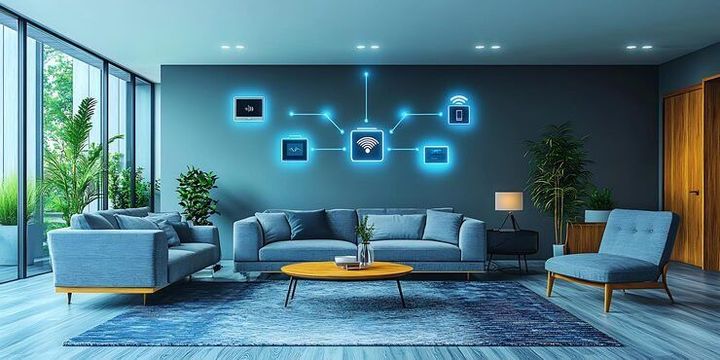
Smart home automation generally involves three main elements: connected devices, a communication network, and a control system. Sensors collect information, such as room temperature or movement, while controllers interpret instructions and manage connected equipment.
Some systems operate through a central hub, while others connect directly to a home Wi-Fi network or use a combination of communication methods. Devices may work together within one manufacturer's platform or connect through compatible smart home standards. Compatibility is important because not every device can communicate with every other system.
Importance
Smart home automation matters because households have different needs related to comfort, energy use, accessibility, security, and daily routines. Residents may use connected technology to adjust lighting, monitor entrances, manage indoor temperatures, or receive notifications when certain events occur.
Automation can also help people with limited mobility operate household equipment through voice commands or remote controls. However, smart home technology introduces practical challenges, including network interruptions, device compatibility, privacy concerns, software updates, and the need to maintain secure account access.
Common Functions of Smart Home Automation
Smart home systems can support a range of household activities:
Lighting control: Adjusting brightness, switching lights on or off, and creating schedules.
Climate control: Managing compatible thermostats, heating equipment, and air conditioning.
Home security: Monitoring connected cameras, door sensors, motion detectors, and smart locks.
Appliance management: Controlling compatible plugs and appliances or monitoring their operating status.
Entertainment: Connecting televisions, speakers, and other media equipment.
Water and safety monitoring: Detecting water leaks, smoke, or other conditions when suitable sensors are installed.
Energy monitoring: Tracking electricity use through compatible meters, plugs, or energy-management systems.
The functions available depend on the devices installed and the system's technical capabilities. A connected camera, for example, may record video or send alerts, but it cannot replace appropriate physical security measures.
Main Smart Home Components
A typical setup may include several types of equipment.
Sensors detect changes in the environment, such as movement, temperature, light levels, or water presence. Controllers process commands and coordinate actions, while actuators perform physical tasks, such as switching a light or adjusting a compatible valve.
Communication technologies allow these components to exchange information. Wi-Fi, Bluetooth, Zigbee, and Thread are examples of technologies used in connected-device environments, although their range, power requirements, and operating methods differ.
The following table summarizes common components and their functions.
| Component | Main function | Example application |
|---|---|---|
| Smart light | Controls illumination | Scheduled room lighting |
| Smart thermostat | Adjusts temperature settings | Climate scheduling |
| Motion sensor | Detects movement | Automatic hallway lighting |
| Smart lock | Controls compatible door locking | Remote lock status checks |
| Connected camera | Captures video | Entrance monitoring |
| Leak sensor | Detects water presence | Alerts near a washing machine |
| Smart hub | Coordinates compatible devices | Centralized automation |
| Smart plug | Controls compatible electrical equipment | Scheduled appliance operation |
These components may operate independently or as part of a wider automation routine. Their actual functions depend on installation, compatibility, and the manufacturer's specifications.
Practical Applications in Everyday Life
A household can create routines based on time, device status, or sensor readings. For example, a morning routine might switch on selected lights and adjust a compatible thermostat. A movement sensor could activate hallway lighting when someone enters an area, while a leak detector could send an alert when water is detected.
Smart home automation can also support remote monitoring. A resident traveling away from home may check a compatible camera or confirm the status of a connected lock through an application. Remote access depends on the device, network connection, account configuration, and the availability of the relevant platform.
Recent Updates
Smart home technology has increasingly focused on interoperability, easier setup, energy management, and improved integration between connected devices. Developments from 2024 through 2026 reflect a broader shift toward systems that allow compatible equipment from different manufacturers to work together. Actual capabilities continue to vary across devices, software versions, and regions.
Matter and Connected Device Compatibility
Matter is a smart home connectivity standard designed to help compatible devices communicate across supported platforms. It operates over technologies including Wi-Fi and Thread, with Bluetooth Low Energy commonly used during commissioning, or device setup. Matter can reduce some compatibility difficulties, but it does not mean every device supports every function across every platform.
Thread is a low-power wireless networking technology used by certain smart home devices. Some Thread networks require a compatible border router to connect devices with other network components. Before adding equipment, users should check the supported standard, required hub, and specific functions available through their chosen platform.
Artificial Intelligence and Energy Management
Some smart home platforms now incorporate artificial intelligence to interpret commands, organize routines, or provide contextual controls. Features may include more flexible voice interactions, activity-based automation, and simplified device management. These capabilities differ by platform, and automated systems may sometimes misunderstand commands or respond incorrectly.
Energy management is another important area. Compatible thermostats, lighting controls, plugs, and energy monitors can help households understand or manage electricity use. Actual energy savings depend on household behavior, climate, equipment efficiency, and how automation is configured; connected technology alone does not ensure lower consumption.
Laws or Policies
Smart home automation is influenced by electrical safety requirements, radio equipment rules, privacy legislation, cybersecurity practices, and consumer-protection regulations. Requirements vary according to the device, installation method, data collected, and country in which the equipment is used.
Smart Home Regulations in India
In India, applicable electrical safety standards and building requirements may affect the installation of smart switches, automated circuits, connected appliances, and other electrical equipment. Certain products may be subject to requirements administered by the Bureau of Indian Standards (BIS), including applicable product certification or quality-control orders. Whether a particular device requires certification depends on its product category and the rules in force.
Wireless equipment must also comply with relevant Indian telecommunications and radio regulations. The Department of Telecommunications and the Wireless Planning and Coordination Wing administer requirements relevant to radio equipment and spectrum use. Requirements depend on the technology and equipment involved.
Privacy and Data Protection
Smart home devices may collect information such as video recordings, voice commands, movement events, occupancy patterns, or household usage data. This information can reveal details about daily routines, so account permissions, data retention settings, and remote-access controls are important considerations.
India's Digital Personal Data Protection Act, 2023, forms part of the country's developing personal-data protection framework, alongside associated rules and commencement arrangements. The obligations applicable to a particular device manufacturer, platform, or household activity depend on the provisions in force and the circumstances. Users should review relevant privacy notices and understand how connected-device data is handled.
Electrical Safety and Responsible Use
Electrical installations should follow applicable safety requirements, particularly when smart controls affect fixed wiring, high-load appliances, or heating equipment. Some installations may require a qualified electrician. Devices should be used within their rated electrical limits and according to their installation instructions.
Security practices also matter. Strong, unique passwords, multi-factor authentication where available, timely software updates, and careful management of shared accounts can reduce certain risks. Camera placement should respect other people's privacy and comply with applicable law.
Tools and Resources
Several tools can help households plan, configure, and maintain smart home automation. Their usefulness depends on the selected devices, existing network, and intended functions.
Smart Home Platforms and Compatibility Tools
Google Home, Apple Home, and Amazon Alexa are examples of platforms used to control compatible connected devices. Their supported products, automation options, and regional features differ. Manufacturer documentation should be checked before selecting devices for an existing setup.
The official Matter website provides information about the connectivity standard and its ecosystem. Device packaging and technical specifications can also indicate whether equipment supports Matter, Thread, or another communication technology.
Network and Energy Monitoring Tools
Router applications can help users review connected devices, network status, and available security settings. Wi-Fi coverage tools can help identify areas where the wireless signal is weak, although results vary by device and environment.
Compatible smart plugs, energy monitors, and electricity meters can provide information about electrical consumption. A household spreadsheet can record device names, installation locations, network requirements, update dates, and routine settings. This information can make troubleshooting and maintenance more organized.
A Practical Setup Checklist
Before installing a smart home system, households can review these points:
Identify the functions needed, such as lighting, climate control, or entry monitoring.
Confirm device compatibility with the chosen platform and network.
Check electrical ratings, installation instructions, and applicable safety requirements.
Review privacy settings, account permissions, and software-update arrangements.
Plan how essential functions will work during internet or power interruptions.
Keep device documentation and account recovery information in a secure location.
Some connected devices depend on cloud platforms, while others support local control. Understanding this difference helps clarify which functions may continue during an internet outage.
FAQs
What is smart home automation and how does it work?
Smart home automation uses connected devices, sensors, networks, and control software to manage household functions. Devices can respond to schedules, commands, or detected conditions, depending on their capabilities.
Which devices are used in smart home automation systems?
Common devices include smart lights, thermostats, connected cameras, door sensors, smart locks, plugs, leak detectors, and compatible hubs. The equipment needed depends on the functions a household wants to manage.
Does smart home automation work without the internet?
Some devices and routines support local control without an internet connection, while others depend on cloud platforms. Remote access and certain voice functions may stop working when connectivity is unavailable.
Is smart home automation secure?
Security depends on device design, software maintenance, network configuration, and account protection. Strong passwords, multi-factor authentication, and timely updates can help reduce security risks, but no connected system is entirely risk-free.
What is Matter in smart home automation?
Matter is a connectivity standard designed to improve communication between compatible smart home devices and platforms. Supported features still depend on the device, controller, network, and platform implementation.
Conclusion
Smart home automation combines connected devices, sensors, communication networks, and software to manage household functions. Its applications include lighting, climate control, security monitoring, energy management, and accessibility support. Compatibility, electrical safety, privacy, and reliable network operation remain important considerations when designing a system. Understanding device capabilities and applicable regulations helps explain how smart home technology operates in everyday settings.