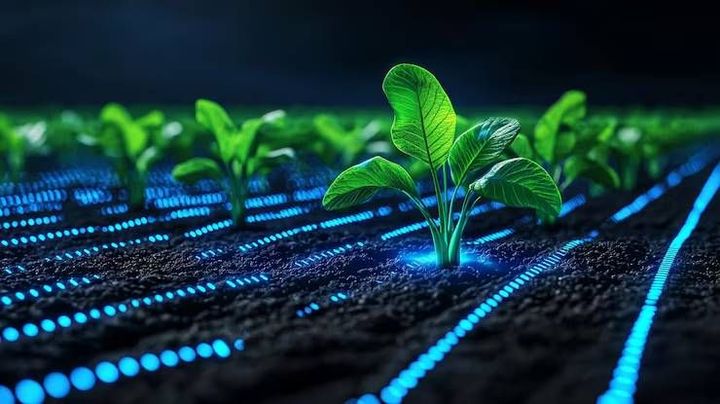
Smart Agriculture Innovation Explained: Technologies, Methods, Benefits and Modern Farming Applications
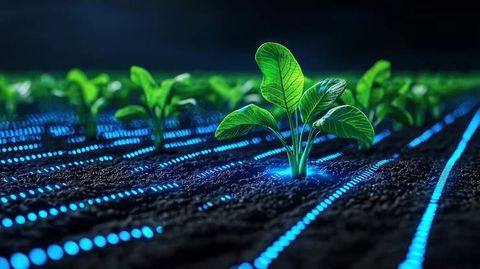
Smart agriculture innovation refers to the use of digital technology, modern equipment, and data-based methods to improve farming decisions. It combines traditional agricultural knowledge with tools such as soil sensors, satellite images, drones, automated irrigation systems, and artificial intelligence. These technologies help farmers observe field conditions, manage resources, and understand changes that affect crop growth.
Context
Smart agriculture innovation refers to the use of digital technology, modern equipment, and data-based methods to improve farming decisions. It combines traditional agricultural knowledge with tools such as soil sensors, satellite images, drones, automated irrigation systems, and artificial intelligence. These technologies help farmers observe field conditions, manage resources, and understand changes that affect crop growth.
Agriculture has always adapted to changing tools and methods, from hand-operated equipment to tractors, irrigation pumps, and mechanized harvesting. Smart agriculture developed as digital technology became more accessible and farmers began using connected devices to collect information about soil, weather, crops, and livestock. The approach is also known as precision agriculture or digital farming, although these terms can describe slightly different practices.
How Smart Agriculture Works
Smart farming connects information gathering with practical decisions. Sensors and monitoring equipment collect data, software organizes it, and farmers use the results to plan activities such as watering, fertilizing, pest monitoring, and harvesting.
For example, a soil moisture sensor can indicate when a field is becoming dry. When this information is combined with weather forecasts, crop requirements, and irrigation records, farmers can decide when and how much to water. The technology supports decision-making, but local experience and direct field inspection remain important.
Smart agriculture can be used on small farms, large commercial fields, greenhouses, orchards, and livestock operations. The specific equipment depends on the crop, climate, available infrastructure, and scale of the farm.
Importance
Smart agriculture matters because farming faces several connected challenges, including changing weather patterns, water limitations, soil degradation, pest outbreaks, and the need to maintain reliable food production. Farmers must make decisions about resources while responding to conditions that can change within hours or across a growing season.
Traditional observation remains valuable, but large or geographically spread-out farms can be difficult to monitor consistently. Digital tools can help identify differences between field areas, track crop development, and record activities over time. This information may support more precise decisions about water, nutrients, machinery, and crop protection.
Main Benefits of Smart Farming
The potential benefits depend on the technology, local conditions, and how effectively the equipment is used.
Water management: Soil sensors and weather information can help schedule irrigation according to crop needs and field conditions.
Crop monitoring: Satellite imagery and drones can reveal differences in vegetation, moisture, and crop development.
Resource management: Location-based equipment can apply certain inputs according to field conditions rather than treating every area identically.
Early problem detection: Monitoring systems may help identify signs of plant stress, equipment problems, or livestock health changes.
Farm planning: Digital records can organize planting schedules, field activities, machinery use, and harvest information.
Labor coordination: Automation can handle selected repetitive tasks, although installation, supervision, and maintenance still require human involvement.
These benefits are not automatic. Equipment limitations, poor data, unsuitable installation, and inadequate training can reduce the value of a smart farming system.
Comparing Traditional and Smart Agriculture
Traditional and digital farming methods can work together. The following table describes common differences rather than suggesting that one approach suits every farm.
| Farming activity | Traditional approach | Smart agriculture approach |
|---|---|---|
| Irrigation | Visual inspection and fixed schedules | Soil sensors and weather-based scheduling |
| Crop monitoring | Field walks and manual observation | Sensors, satellite images, and drones |
| Fertilizer application | General field-level application | Location-based application using soil data |
| Pest monitoring | Regular inspection and local observations | Field scouting combined with digital alerts |
| Machinery management | Manual logs and scheduled checks | Equipment sensors and digital maintenance records |
| Farm records | Paper notebooks and spreadsheets | Connected farm management platforms |
A farmer may combine both approaches, using digital information to guide decisions while checking conditions directly in the field.
Recent Updates
Smart agriculture innovation continues to develop through improved sensors, connected machinery, artificial intelligence, robotics, and satellite-based monitoring. Recent trends from 2024 through 2026 include greater interest in tools that combine several data sources, more automated greenhouse operations, and systems designed to help farmers respond to changing weather and resource conditions. Availability and adoption vary widely across regions and farm sizes.
Artificial Intelligence and Predictive Analytics
Artificial intelligence can analyze information from weather records, soil measurements, crop images, and previous growing seasons. Depending on the system, it may help identify unusual plant conditions, estimate crop development, or support decisions about irrigation and pest monitoring.
Predictive models are not always accurate. Their performance depends on the quality and relevance of the data, the crop being monitored, and local environmental conditions. Farmers generally need to verify important alerts rather than treating computer-generated results as certain conclusions.
Drones, Satellites, and Robotics
Agricultural drones can capture aerial images that help identify uneven growth, drainage problems, and areas that may require inspection. Satellite monitoring can provide information across larger areas and support the observation of vegetation changes over time. Cloud cover, image resolution, equipment rules, and the frequency of available observations can affect usefulness.
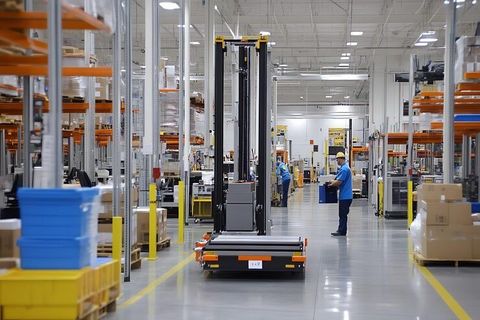
Robotic equipment is also being developed for tasks such as targeted weeding, crop inspection, harvesting, and greenhouse movement. Some systems operate autonomously within defined conditions, while others require close supervision. Their suitability depends on terrain, crop layout, maintenance requirements, and the complexity of the task.
Connected Irrigation and Climate-Smart Farming
Internet-connected irrigation controllers can combine sensor readings, weather forecasts, and programmed schedules. These systems may help coordinate water delivery across different field zones and make irrigation decisions more responsive to changing conditions.
Climate-smart agriculture includes broader practices such as improving soil health, managing water carefully, diversifying crops, and adapting planting schedules to local risks. Digital technology can support these practices, but it is only one part of a wider approach to agricultural resilience.
Laws or Policies
Smart agriculture is affected by rules covering agricultural equipment, water use, electricity, data protection, pesticides, drones, and environmental management. Requirements vary by country and state, so farmers need to consider both the technology being used and the activity it supports.
Agricultural Technology Policies in India
In India, digital agriculture is supported through government initiatives intended to improve agricultural information, planning, and access to technology. The Digital Agriculture Mission provides a framework for developing digital public infrastructure and related agricultural data systems. Its implementation involves multiple components and depends on applicable program guidelines.
The Soil Health Card scheme provides soil information to support decisions about nutrient management. The Pradhan Mantri Krishi Sinchayee Yojana focuses on irrigation development and improved water-use efficiency. These initiatives have different objectives, and eligibility, implementation, and available assistance depend on the relevant program rules and local arrangements.
Farmers may also encounter state-level programs related to agricultural machinery, micro-irrigation, farm digitization, and technology adoption. Program details can change, so current official notices should be consulted before relying on specific eligibility or assistance provisions.
Drone, Water, and Data Requirements
Agricultural drone operations in India are subject to applicable aviation rules, including requirements under the Drone Rules, 2021, and subsequent amendments or directions. Operational permissions, airspace restrictions, registration requirements, and other conditions depend on the type of operation and the rules currently in force.
Water extraction, groundwater use, pesticide application, and disposal of agricultural waste may be governed by national, state, or local requirements. Farmers using connected devices or cloud-based platforms should also understand how farm records, location information, and personal data are collected, stored, and shared. The legal obligations depend on the relevant laws and circumstances.
Tools and Resources
A range of tools can help farmers collect information, plan field activities, and understand agricultural conditions. Their usefulness depends on local coverage, crop type, equipment compatibility, and the reliability of the information provided.
Digital Farming Platforms and Weather Tools
Farm management software can organize field maps, planting dates, irrigation records, input applications, machinery schedules, and harvest data. Some platforms support satellite imagery, sensor connections, and activity reports, while others focus on record keeping.
Weather applications and agricultural forecasting tools help users monitor rainfall, temperature, wind, and humidity. In India, the India Meteorological Department publishes weather information and forecasts, while the Indian Council of Agricultural Research and its associated institutions provide agricultural research and guidance for different farming conditions.
Soil, Satellite, and Mapping Resources
Soil testing helps identify characteristics such as nutrient levels and soil pH. India's Soil Health Card resources provide information related to soil testing and nutrient management. Satellite imagery and geographic information systems can also help map field boundaries, track vegetation, and examine differences between field areas.
The Indian Space Research Organisation and other agricultural research institutions contribute satellite-based and geospatial information relevant to land and agricultural monitoring. The availability of specific data products depends on the platform, geographic area, and intended use.
Selecting Appropriate Technology
Before adopting a smart farming tool, farmers generally need to assess:
Farm requirements: Crop type, field size, terrain, irrigation method, and monitoring needs.
Connectivity: Mobile network coverage, internet access, and equipment compatibility.
Practical operation: Training, installation, maintenance, and technical support requirements.
Data quality: Accuracy of readings, update frequency, and suitability for local conditions.
Long-term feasibility: Equipment lifespan, replacement parts, operating expenses, and expected usefulness.
Starting with a clearly defined farming problem helps determine whether a digital tool is appropriate. Technology should fit the farm's actual conditions rather than being selected solely because it is new.
FAQs
What is smart agriculture innovation?
Smart agriculture innovation uses digital tools, sensors, automation, and data analysis to support farming decisions. Applications include crop monitoring, irrigation planning, soil management, and livestock observation.
Which technologies are used in smart farming?
Common technologies include soil sensors, weather stations, drones, satellite imagery, GPS-guided machinery, connected irrigation controllers, robotics, and artificial intelligence. The combination depends on the farm's needs and resources.
How does smart agriculture improve water management?
Smart irrigation systems can use soil moisture readings, weather information, and crop requirements to help schedule watering. Results depend on sensor accuracy, irrigation design, soil conditions, and correct system operation.
What government programs support smart agriculture in India?
Relevant initiatives include the Digital Agriculture Mission, Soil Health Card scheme, and Pradhan Mantri Krishi Sinchayee Yojana. Their purposes and eligibility conditions differ, and current official program guidelines determine implementation.
Is smart agriculture suitable for small farms?
Some tools, such as mobile weather applications, soil testing, and basic irrigation controllers, can be used on smaller farms. More complex equipment may require additional training, infrastructure, and financial planning.
Conclusion
Smart agriculture innovation combines traditional farming knowledge with digital monitoring, data analysis, and automation. Its applications include irrigation management, crop observation, soil assessment, machinery planning, and livestock monitoring. Government initiatives and technology developments are shaping its use, while local regulations and infrastructure affect adoption. The practical value of each system depends on farm conditions, data quality, operating requirements, and the decisions made by farmers.