Autonomous Vehicles Comparison Guide: Explore Basics, Insights, and Key Facts
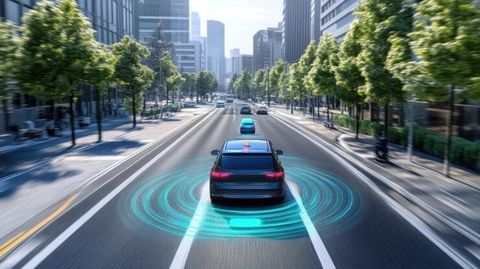
Autonomous vehicles (AVs), commonly known as self-driving cars, are vehicles equipped with advanced technologies that enable them to operate with minimal or no human intervention. These systems rely on a combination of sensors, artificial intelligence (AI), machine learning, and real-time data processing to navigate roads, detect obstacles, and make driving decisions.
The comparison of autonomous vehicle systems has become increasingly relevant in recent years due to rapid technological advancements and growing global investment in mobility innovation. Governments, technology companies, and automotive manufacturers are actively testing and deploying varying levels of automation, ranging from driver assistance systems to fully autonomous solutions.
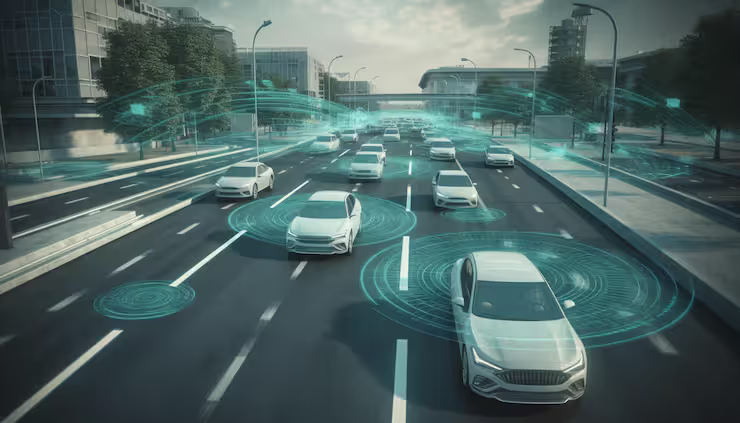
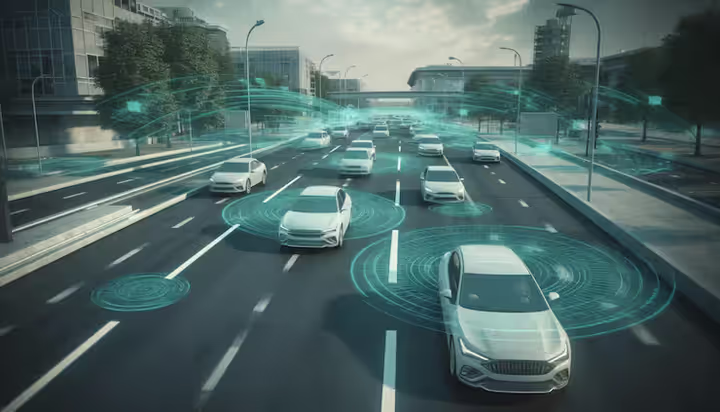
Recent trends indicate a shift toward higher levels of automation, particularly in controlled environments such as highways, logistics hubs, and urban pilot zones. The impact of AVs extends beyond convenience—it influences road safety, urban planning, fuel efficiency, and labor markets. As adoption grows, understanding differences in autonomy levels, technologies, and real-world performance becomes essential for policymakers, businesses, and everyday users.
Who It Affects and What Problems It Solves
Autonomous vehicles impact a wide range of stakeholders, including individual commuters, logistics companies, public transportation systems, and government agencies. For daily commuters, AVs promise reduced driving stress and improved safety. For businesses, especially in logistics and ride-sharing, they offer opportunities for cost optimization and operational efficiency. Governments and urban planners also benefit from improved traffic flow and reduced congestion through data-driven mobility systems.
The technology also affects industries such as insurance, infrastructure, and automotive manufacturing. Insurance models may shift from driver liability to system-based accountability, while infrastructure may evolve to support connected and smart transportation ecosystems.
Problems It Solves
- Human Error Reduction: A significant percentage of road accidents are caused by human error. AV systems aim to reduce these incidents through consistent and data-driven decision-making.
- Traffic Congestion: Intelligent routing and vehicle-to-vehicle communication can optimize traffic flow.
- Accessibility: AVs provide mobility solutions for elderly individuals and people with disabilities.
- Fuel Efficiency: Optimized driving patterns can reduce fuel consumption and emissions.
- Driver Fatigue: Long-distance driving becomes safer with reduced reliance on human attention.
Recent Updates and Trends (Past Year)
Over the past year, the autonomous vehicle sector has seen notable developments:
- Expansion of Pilot Programs: Several cities globally have expanded AV testing zones, particularly for robo-taxis and delivery vehicles.
- Advancements in AI Models: Improved perception systems using deep learning have enhanced object detection accuracy in complex environments.
- Regulatory Progress: Countries like the U.S., China, and parts of Europe have introduced updated frameworks for testing and limited deployment.
- Commercial Deployments: Autonomous delivery services and ride-hailing pilots have moved closer to commercialization in select regions.
- Sensor Innovation: Reduction in LiDAR costs and improvements in camera-based systems have made AV technology more scalable.
These updates indicate gradual but steady progress toward wider adoption, though full autonomy in all conditions remains a long-term goal.
Comparison Table: Levels of Autonomous Driving
| Feature / Level | Level 0 (Manual) | Level 1 (Driver Assist) | Level 2 (Partial Automation) | Level 3 (Conditional) | Level 4 (High Automation) | Level 5 (Full Automation) |
|---|---|---|---|---|---|---|
| Driver Required | Yes | Yes | Yes | Limited | No (in conditions) | No |
| System Control | None | Steering/Speed (one) | Steering + Speed | Full (with fallback) | Full (specific areas) | Full (all conditions) |
| Human Intervention | Constant | Frequent | Required | Occasional | Rare | None |
| Example Use Case | Traditional car | Cruise control | Highway autopilot | Traffic jam assist | Robo-taxi zones | Fully autonomous cars |
| Technology Complexity | Low | Low | Medium | High | Very High | Extreme |
| Deployment Status | Common | Widely available | Widely available | Limited pilots | Controlled deployments | Experimental |
Laws and Policies
Autonomous vehicles are heavily influenced by national and regional regulations, which determine testing permissions, safety requirements, and deployment scope.
India
India is currently cautious about fully autonomous vehicles. Regulatory focus is more on advanced driver assistance systems (ADAS) rather than full autonomy. Concerns include employment impact (especially for drivers) and infrastructure readiness.
United States
The U.S. has a state-level regulatory approach. Some states allow extensive AV testing and deployment, particularly for Level 4 systems. Federal guidelines emphasize safety reporting and transparency.
Europe
The European Union has introduced structured frameworks for AV approval, focusing on safety validation, cybersecurity, and data privacy.
China
China has accelerated AV adoption with government-supported pilot zones and smart city integration, particularly in urban logistics and public transport.
Practical Guidance
- Urban Areas: Level 2–3 systems are more practical due to mixed traffic conditions.
- Highways: Higher automation levels perform better due to predictable environments.
- Controlled Zones: Level 4 systems are currently most effective in predefined areas.
- General Use: Full autonomy (Level 5) is not yet widely viable for all environments.
Tools and Resources
Several tools and platforms help users, researchers, and businesses understand and interact with autonomous vehicle technology:
Simulation and Development Tools
- CARLA Simulator: Open-source platform for AV testing and research
- LGSVL Simulator: High-fidelity simulation for autonomous systems
- Autoware: Open-source autonomous driving software stack
Data and Mapping Resources
- OpenStreetMap: Provides mapping data for navigation systems
- HERE Technologies: Advanced mapping and location data services
- Google Maps Platform: Real-time navigation and traffic insights
Learning and Research Platforms
- Coursera / edX Courses: Offer structured learning on AI and autonomous systems
- arXiv Research Papers: Latest academic developments in AV technology
- IEEE Publications: Technical standards and research insights
Monitoring and Analytics Tools
- Fleet management dashboards
- AI model evaluation tools
- Sensor calibration software
These resources support both beginners and professionals in understanding and developing AV technologies.
Frequently Asked Questions (FAQ)
What are autonomous vehicles?
Autonomous vehicles are cars or transport systems that use AI, sensors, and software to drive without human input or with minimal assistance.
What is the difference between Level 2 and Level 4 automation?
Level 2 requires constant driver supervision, while Level 4 can operate independently in specific environments without human intervention.
Are autonomous vehicles safe?
They aim to improve safety by reducing human error, but real-world performance depends on technology maturity and environmental conditions.
When will fully autonomous cars be available?
Level 5 autonomy is still in development and may take several years before widespread adoption due to technical and regulatory challenges.
Do autonomous vehicles reduce traffic?
They have the potential to optimize traffic flow through coordinated movement and real-time data sharing, though outcomes depend on adoption rates.
Conclusion
Autonomous vehicles represent a transformative shift in transportation, combining artificial intelligence, sensor technologies, and real-time data systems to redefine mobility. Current data and industry trends suggest that while partial automation (Levels 1–2) is already widespread, higher levels (Levels 3–5) are still evolving and limited to controlled environments.
From a practical standpoint, the most reliable and accessible systems today are Level 2 and emerging Level 3 technologies, particularly for highway and semi-structured driving conditions. Level 4 systems show strong potential in logistics and urban pilot programs, but scalability remains dependent on infrastructure and regulation.
The overall trajectory indicates gradual adoption rather than rapid disruption. For users and organizations, understanding the capabilities and limitations of each autonomy level is essential for making informed decisions.