Industrial Tanks Explained: Types, Materials, Applications, Benefits and Selection Considerations
Industrial tanks are containers designed to store, mix, process, or temporarily hold liquids, gases, and certain solid materials used in industrial operations. They are found in manufacturing plants, chemical facilities, water treatment systems, food processing units, energy facilities, and agricultural operations. Their design depends on the substance being handled, the operating environment, and the conditions under which the contents are stored or processed.
Context
Industrial tanks are containers designed to store, mix, process, or temporarily hold liquids, gases, and certain solid materials used in industrial operations. They are found in manufacturing plants, chemical facilities, water treatment systems, food processing units, energy facilities, and agricultural operations. Their design depends on the substance being handled, the operating environment, and the conditions under which the contents are stored or processed.
The development of industrial tanks is closely connected to the growth of large-scale manufacturing and infrastructure. As industries began handling greater quantities of water, fuels, chemicals, and raw materials, they required containers with suitable capacity, structural strength, and resistance to environmental conditions. Modern industrial tanks range from simple atmospheric storage vessels to specialized pressure vessels designed for controlled operating conditions.
Understanding Industrial Tank Types
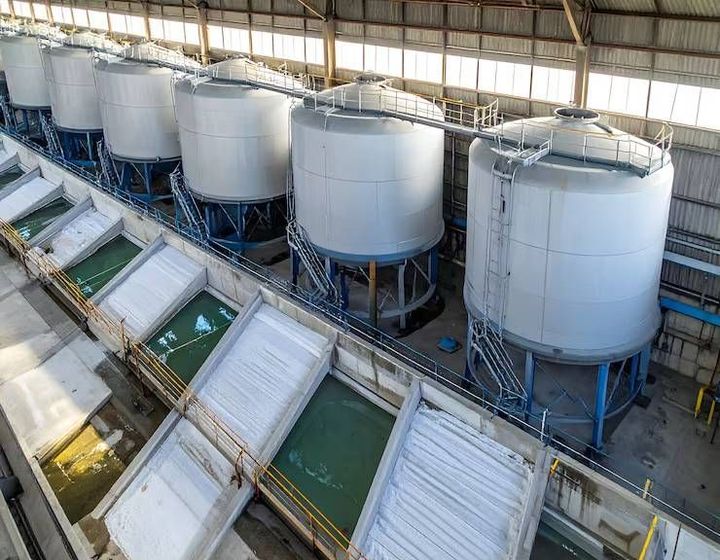
Industrial tanks are classified according to their shape, construction, purpose, and operating pressure. Each type has specific characteristics that influence where it can be used.
Common types include:
Storage tanks: Hold liquids such as water, fuel, oils, and industrial chemicals before use or distribution.
Mixing tanks: Combine liquids, powders, or other ingredients during manufacturing processes. Some include internal agitators or heating systems.
Pressure tanks: Contain gases or liquids under pressure and require engineering suitable for the intended operating conditions.
Process tanks: Support activities such as heating, cooling, blending, separation, and chemical treatment.
Underground tanks: Store suitable materials below ground, subject to structural, environmental, and installation requirements.
Water treatment tanks: Hold water during filtration, settling, treatment, or temporary storage.
The term industrial tank does not describe one universal design. A container used for clean water may have very different material and safety requirements from a vessel containing corrosive chemicals or pressurized gas.
Importance
Industrial tanks support the movement and management of materials throughout many production systems. Factories need dependable storage between processing stages, while water treatment facilities require tanks for holding, settling, and treating water. Agricultural operations may use them for irrigation water, liquid fertilizers, or other materials appropriate for the tank's construction.
Suitable tank design also helps address problems involving leakage, contamination, corrosion, and unexpected pressure changes. An incorrectly selected tank can deteriorate, damage surrounding equipment, interrupt production, or release harmful substances into the environment. Appropriate design, inspection, and maintenance therefore play important roles in industrial safety.
Industrial Tank Materials
The material used to manufacture a tank affects its durability, compatibility with stored contents, cleaning requirements, and resistance to environmental conditions.
Carbon steel: Common in many industrial storage applications because it has useful structural properties. Protective coatings or other corrosion controls may be necessary.
Stainless steel: Used in applications requiring corrosion resistance and cleanable surfaces, including certain food, beverage, and pharmaceutical processes.
Fiberglass-reinforced plastic: Can provide corrosion resistance for selected chemicals and liquids, depending on the resin and construction.
Polyethylene and other plastics: Used in compatible water, chemical, and general storage applications, with temperature and structural limits that must be considered.
Concrete: Used for certain large water storage, wastewater treatment, and infrastructure applications.
Material selection depends on the chemical properties of the contents, temperature, pressure, ultraviolet exposure, cleaning procedures, and expected operating life. No single material is appropriate for every industrial environment.
Comparing Common Industrial Tanks
| Tank type | Typical application | Main consideration |
|---|---|---|
| Water storage tank | Industrial water supply | Water quality and structural support |
| Chemical storage tank | Compatible industrial chemicals | Chemical resistance and containment |
| Fuel storage tank | Suitable liquid fuels | Fire safety, leakage control, and regulations |
| Mixing tank | Blending ingredients | Agitation, cleaning, and process conditions |
| Pressure tank | Pressurized fluids or gases | Design pressure and protective equipment |
| Wastewater tank | Treatment and temporary holding | Corrosion, solids, and environmental protection |
These examples describe general applications. The final design must account for the exact contents, operating conditions, installation location, and applicable technical requirements.
Recent Updates
Industrial tank design and management continue to evolve alongside automation, environmental monitoring, and industrial safety practices. Developments observed across the 2024–2026 period include wider use of digital monitoring systems, increased attention to leakage prevention, improved inspection methods, and efforts to reduce material waste and energy use. Adoption differs according to industry, facility size, and regulatory requirements.
Smart Monitoring and Automation
Some modern tank systems use sensors to measure liquid levels, temperature, pressure, or other operating conditions. Connected monitoring equipment can send readings to control systems, allowing operators to identify abnormal changes and coordinate material transfers more efficiently.
Automated level measurement can also help manage filling and prevent overflow when combined with suitable alarms, controls, and operating procedures. Sensors do not eliminate the need for physical inspection, calibration, or independent safety measures. Their reliability depends on correct installation, maintenance, and compatibility with the stored material.
Corrosion Control and Environmental Protection
Tank operators increasingly consider methods for detecting corrosion, inspecting structural components, and identifying leaks before they cause substantial damage. Depending on the tank design, inspection methods may include visual examination, thickness measurement, coating assessment, and specialized non-destructive testing.
Environmental planning is also important for tanks containing fuels, chemicals, and industrial wastewater. Secondary containment, suitable drainage arrangements, leak detection, and documented inspection schedules can reduce the likelihood and consequences of accidental releases. The required measures depend on the material, tank capacity, installation, and applicable rules.
More Efficient Industrial Design
Manufacturers and facility operators may evaluate tank geometry, insulation, internal surfaces, and material selection to improve process efficiency. Insulated tanks can help control temperature where thermal management is necessary, while suitable internal finishes may simplify cleaning in specific applications.
Digital records and maintenance management systems can also organize inspection reports, repair histories, and sensor readings. These tools support equipment management, but engineering assessments remain necessary when structural changes, pressure conditions, or material compatibility are involved.
Laws or Policies
Industrial tank requirements depend on the type of contents, tank design, installation location, and potential risks to workers and the environment. In India, several regulatory frameworks may apply to industrial storage equipment. The specific obligations differ between ordinary storage tanks, pressure vessels, petroleum installations, and facilities handling hazardous chemicals.
Industrial Safety Requirements in India
The Occupational Safety, Health and Working Conditions Code, 2020, and relevant rules and implementation arrangements form part of India's occupational safety framework. Other applicable laws, state rules, technical standards, and transitional provisions may also affect a facility's obligations. Requirements should be checked against the provisions currently in force for the particular installation.
Pressure vessels and certain industrial equipment may need to comply with applicable engineering standards, inspection requirements, and safeguards. Petroleum storage and handling may fall under relevant petroleum legislation and rules, including requirements administered by the Petroleum and Explosives Safety Organisation where applicable.
Environmental and Chemical Storage Rules
Industrial facilities may be subject to environmental requirements under legislation such as the Environment (Protection) Act, 1986, and relevant rules, consent conditions, and directions. The Manufacture, Storage and Import of Hazardous Chemical Rules, 1989, may apply to facilities handling specified hazardous chemicals, depending on the substances, quantities, and circumstances.
Practical compliance measures may include:
Identifying stored substances and their relevant hazards.
Selecting tanks compatible with the contents and operating conditions.
Providing appropriate ventilation, containment, and leak detection where required.
Maintaining inspection, maintenance, and incident records.
Following applicable fire protection and emergency procedures.
Obtaining required approvals and inspections from relevant authorities.
Applicable requirements vary by installation and industry. General information cannot determine whether a particular tank meets the legal or engineering requirements for a specific facility.
Tools and Resources
Several technical resources can help engineers, facility managers, and other readers understand industrial tank specifications and operating requirements. The appropriate resource depends on whether the task involves preliminary planning, engineering calculations, inspection, or regulatory compliance.
Tank Sizing and Engineering Tools
Tank sizing calculators can estimate the internal volume of common cylindrical or rectangular tanks using their dimensions. For example, the volume of a vertical cylindrical tank can be estimated from its internal radius and liquid height using the formula:
Volume = π × radius² × liquid height
This calculation estimates the liquid capacity below a specified level. It does not account automatically for wall thickness, internal components, unusable space, pressure limits, structural loads, or safe filling limits.
Engineering software may support vessel design, stress analysis, fluid flow calculations, and structural assessment. Such calculations require suitable input data and qualified interpretation, particularly for pressure vessels or tanks containing hazardous materials.
Standards and Technical References
Relevant resources include the Bureau of Indian Standards for applicable Indian standards, the Central Pollution Control Board for environmental guidance, and the Petroleum and Explosives Safety Organisation for applicable petroleum and pressure-related regulatory information. International standards organizations and industry technical bodies also publish tank design, inspection, and maintenance guidance.
Manufacturer documentation can provide information about material compatibility, temperature limits, installation requirements, and maintenance procedures. Technical specifications should be checked against the actual tank configuration rather than applied to every tank of a similar appearance.
Inspection and Maintenance Records
A tank maintenance record may include the equipment identification number, contents, inspection date, observed corrosion, leakage findings, repairs, and the next scheduled inspection. Digital maintenance systems can organize this information and help facility personnel track recurring issues.
Inspection frequency depends on tank construction, contents, operating conditions, applicable standards, and the consequences of failure. Pressure vessels and tanks containing hazardous materials may require specialized inspection methods and defined examination intervals.
FAQs
What are the main types of industrial tanks?
Common types include storage tanks, mixing tanks, process tanks, pressure tanks, underground tanks, and water treatment tanks. Their design depends on the contents, capacity, operating conditions, and intended use.
Which materials are used to manufacture industrial tanks?
Common materials include carbon steel, stainless steel, fiberglass-reinforced plastic, polyethylene, and concrete. Material selection depends on chemical compatibility, temperature, pressure, structural requirements, and environmental exposure.
How is industrial tank capacity calculated?
For a cylindrical tank, the internal volume can be estimated by multiplying π by the square of the internal radius and the liquid height. Actual usable capacity depends on the tank's shape, internal components, and permitted filling level.
What safety requirements apply to industrial storage tanks in India?
Requirements may involve structural integrity, pressure safety, fire protection, environmental controls, hazardous chemical handling, and periodic inspection. Applicable rules depend on the tank type, stored material, capacity, and installation.
How are industrial tanks inspected and maintained?
Inspection may involve checking for leaks, corrosion, structural damage, coating deterioration, and malfunctioning instruments. The inspection method and schedule depend on the tank's design, contents, operating conditions, and relevant standards.
Conclusion
Industrial tanks support storage, mixing, treatment, and processing across manufacturing, water management, energy, and other industries. Their materials and designs must suit the contents, operating conditions, and installation environment. Monitoring technology, inspection methods, and environmental safeguards contribute to safer tank operation when implemented appropriately. Engineering standards, maintenance procedures, and applicable Indian regulations provide important frameworks for managing industrial tank systems.