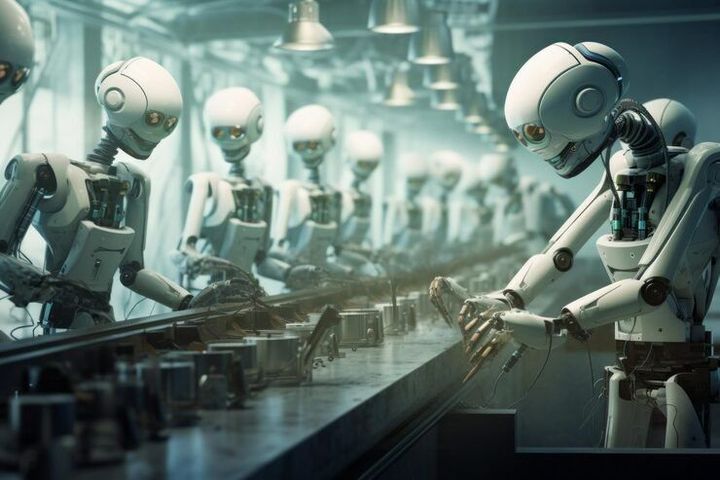
Future Trends in Robotics Guide: AI Integration, Smart Machines and Industrial Applications
Future trends in robotics involve the development of intelligent machines that can sense their surroundings, process information, perform physical tasks, and work alongside people. Robotics combines mechanical engineering, electronics, computer science, sensors, and control systems. Early industrial robots were mainly designed to repeat specific movements, while modern systems increasingly use artificial intelligence (AI), computer vision, and connected software to handle more varied tasks.
Context
Future trends in robotics involve the development of intelligent machines that can sense their surroundings, process information, perform physical tasks, and work alongside people. Robotics combines mechanical engineering, electronics, computer science, sensors, and control systems. Early industrial robots were mainly designed to repeat specific movements, while modern systems increasingly use artificial intelligence (AI), computer vision, and connected software to handle more varied tasks.
The development of robotics has been influenced by the need for consistent manufacturing, improved workplace safety, accurate handling of materials, and automation of repetitive activities. Today, robots appear in factories, warehouses, hospitals, agricultural operations, laboratories, and public environments. Their capabilities depend on their design, programming, sensors, operating conditions, and the level of human supervision.
Understanding Modern Robotics
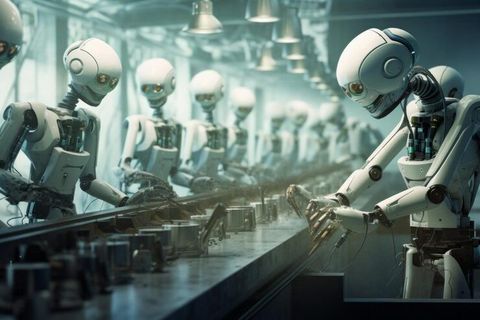
Modern robotics includes several types of machines. Industrial robotic arms perform tasks such as welding, painting, assembly, and material handling. Autonomous mobile robots move materials through warehouses and factories, while collaborative robots, often called cobots, are designed to work near people under specified safety conditions.
AI integration is changing how some robotic systems interpret information and respond to their surroundings. Instead of following only fixed instructions, AI-enabled robots may recognize objects, identify patterns, adjust movements, or navigate changing environments. However, not every robot uses AI, and intelligent software does not eliminate the need for engineering controls or human oversight.
How AI Integration Works
AI integration generally combines machine learning, sensors, cameras, computing hardware, and robotics software. Cameras and other sensors collect information about the environment, algorithms interpret that information, and a control system determines how the machine should respond.
For example, a robotic arm in a packaging facility may use computer vision to identify products with different shapes or positions. Its control software can then guide the arm toward the intended object, subject to its programmed limits and safety controls. The accuracy of the task depends on lighting, object variation, sensor quality, training data, and system configuration.
Importance
Future trends in robotics matter because they influence how goods are produced, materials are transported, and complex physical tasks are performed. Manufacturers face challenges such as repetitive work, production variability, workplace hazards, and changing demand. Robots can help address some of these challenges, although their suitability depends on the task and the surrounding work environment.
Robotics also affects workers, engineers, business owners, researchers, and consumers. Automation may change the skills required for certain roles, create demand for technical training, and alter how people cooperate with machines. Its effects are not uniform: some tasks become automated, while others continue to require human judgment, communication, creativity, and responsibility.
Major Benefits and Challenges
Robotic systems can provide consistent movement, operate in controlled hazardous environments, and repeat defined tasks for extended periods. They may also help collect production data and support inspection processes.
However, several limitations remain:
Integration: Robots must work with existing machinery, software, and production processes.
Safety: Moving equipment can create collision, crushing, electrical, or other workplace hazards.
Reliability: Sensors, mechanical components, and software can fail or require adjustment.
Data security: Connected robots may introduce cybersecurity risks if networks and controls are not properly protected.
Workforce training: Employees may need new skills in programming, maintenance, monitoring, and troubleshooting.
Financial planning: Equipment, installation, maintenance, integration, and training all affect the overall investment.
A successful robotics project therefore requires more than selecting a machine. It involves defining the task, assessing risks, testing performance, preparing workers, and establishing procedures for maintenance and unexpected situations.
Comparing Robotics Technologies
| Technology | Main function | Common applications |
|---|---|---|
| Industrial robotic arms | Perform programmed physical movements | Welding, painting, assembly |
| Collaborative robots | Support tasks near human workers under defined safeguards | Assembly, inspection, handling |
| Autonomous mobile robots | Navigate and transport materials | Warehouses, factories |
| Machine vision systems | Interpret images and identify objects | Quality inspection, sorting |
| AI-enabled robots | Use AI to support perception or decisions | Adaptive handling, complex inspection |
| Humanoid robots | Use a human-like body structure for selected tasks | Research, experimental logistics |
These categories can overlap. An industrial arm may use machine vision, while a mobile robot may combine AI with mapping and navigation software. The label alone does not establish how independently or reliably a system can operate.
Recent Updates
From 2024 through 2026, robotics development has increasingly focused on AI-enabled perception, more adaptable machines, autonomous navigation, and systems that combine digital models with physical operations. Progress varies between research demonstrations and established industrial deployments. A capability shown in a controlled test may still require substantial validation before it can operate safely in a busy workplace.
AI, Robotics, and Foundation Models
Some research and development projects combine robotics with large AI models that process language, images, or multiple types of data. These approaches aim to help robots interpret instructions, recognize unfamiliar objects, and adapt to a wider range of tasks.
Such systems can make interaction more flexible, but they also introduce challenges. AI outputs may be inaccurate, physical environments can be unpredictable, and models may require significant computing resources. For safety-critical tasks, dependable control mechanisms and clearly defined operating limits remain essential.
Humanoid Robots and General-Purpose Machines
Humanoid robots have attracted attention because their body structures may allow experiments in environments designed for people. Researchers and companies are exploring their use in material handling, inspection, and selected repetitive activities.
However, a human-like shape does not automatically make a robot suitable for every workplace. Balance, battery life, payload, movement speed, maintenance needs, and safe interaction must all be considered. Many applications remain in development or limited trials rather than widespread routine use.
Connected Factories and Predictive Maintenance
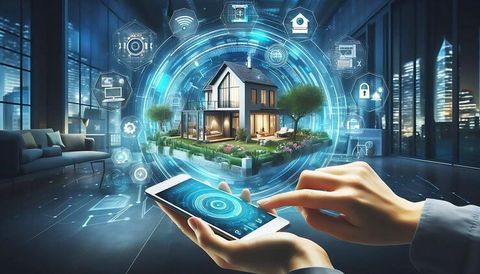
Industrial robotics increasingly connects with factory networks, production monitoring systems, and digital twins. A digital twin is a digital representation of a physical machine or process that can help engineers examine performance, simulate changes, or identify possible problems.
Predictive maintenance uses operating data, such as vibration, temperature, and motor current, to estimate when equipment may need attention. These systems can support maintenance planning, but predictions depend on data quality and suitable models. They do not eliminate equipment failures or the need for regular inspections.
Laws or Policies
Robotics is shaped by workplace safety rules, machinery requirements, data protection laws, and cybersecurity obligations. The exact requirements depend on the country, industry, type of robot, and intended use. Manufacturers, system integrators, employers, and operators may have different responsibilities.
Robotics Regulations and Standards in India
In India, industrial robot deployment may be subject to applicable factory legislation, occupational safety requirements, electrical rules, machinery-related obligations, and state-level implementation requirements. The Occupational Safety, Health and Working Conditions Code, 2020, forms part of India's labour-law framework; its applicability and operative provisions depend on commencement notifications and relevant rules in force.
Technical standards can also guide the design, integration, and safe operation of industrial robots. International standards such as ISO 10218 address industrial robot safety, while ISO/TS 15066 provides guidance for collaborative robot applications. Their legal status depends on how they are adopted, referenced, or required by the relevant jurisdiction or contract.
AI Governance and Cybersecurity
India's approach to AI governance includes policy initiatives intended to support responsible AI development, research, and adoption. The applicable legal requirements for a particular robotics system depend on its use and the laws currently in force; there is no single rule that covers every AI-enabled robot.
Connected robotic equipment can create cybersecurity risks through remote access, software updates, network connections, and shared production data. Organizations may use access controls, network separation, software patching, monitoring, and incident-response procedures to reduce these risks. Safety and cybersecurity planning should account for the possibility that a digital failure could affect physical machinery.
Tools and Resources
Several software platforms and technical resources help people understand, design, simulate, and manage robotic systems. Their suitability depends on the user's experience, hardware, project goals, and computing environment.
Robotics Simulation and Programming Tools
ROS 2, or Robot Operating System 2, provides software libraries and tools for developing robotic applications. It supports communication between components, sensor integration, and system development, but it is not a complete robot by itself.
Gazebo and NVIDIA Isaac Sim are examples of simulation environments used to test robot behavior in virtual settings. Simulation can help developers evaluate navigation, movement, and perception before physical trials, although simulated results may not fully reflect real-world conditions.
Industrial Automation and Learning Resources
Robot manufacturers and industrial automation providers publish technical manuals, integration guidance, and safety documentation. These resources can help engineers understand payload limits, operating ranges, programming methods, and maintenance requirements.
Useful learning and planning resources include:
ROS 2 documentation: Concepts, installation instructions, and development tutorials.
Gazebo documentation: Robot simulation and virtual environment guidance.
ISO standards information: Technical descriptions of robot safety standards and their scope.
Industrial robot manuals: Model-specific operating limits, maintenance schedules, and safety instructions.
Risk assessment templates: Structured records of hazards, safeguards, responsibilities, and verification results.
For an industrial project, simulation and documentation should be combined with appropriate physical testing, risk assessment, and operator training.
FAQs
What are the future trends in robotics?
Important trends include AI integration, autonomous mobile robots, collaborative robots, machine vision, digital twins, and predictive maintenance. Adoption varies by industry and by how reliably each technology performs in real operating conditions.
How is AI integration changing industrial robotics?
AI can help robots recognize objects, interpret sensor data, identify patterns, and adapt to some changes in their environment. The system still requires suitable controls, testing, and supervision based on the risks of its application.
What are smart machines in manufacturing?
Smart machines use sensors, software, and connectivity to monitor conditions or adjust selected operations. Some also use AI to support inspection, navigation, or decision-making within defined limits.
Are humanoid robots widely used in factories?
Humanoid robots are being developed and tested for selected industrial tasks, but adoption varies. Their practical use depends on reliability, safety, payload, operating time, and the suitability of the task.
Which tools are used to develop robotic systems?
ROS 2 supports robotics software development, while Gazebo and NVIDIA Isaac Sim support simulation. Manufacturers' documentation and relevant safety standards also help guide system design, testing, and operation.
Conclusion
Future trends in robotics center on AI integration, connected machinery, autonomous movement, and more adaptable industrial systems. These technologies can support manufacturing, logistics, inspection, and other physical tasks, but their capabilities and limitations vary. Safety, cybersecurity, workforce training, and regulatory requirements remain important considerations. The development of robotics therefore involves both technical progress and careful planning for its use in real environments.