Exploring Hydrogen Fuel Technology A Complete Guide with Facts and Insights
Hydrogen fuel technology refers to the use of hydrogen (H₂) as an energy carrier: hydrogen can be used in fuel cells to generate electricity (with water as the only emission), or combusted in modified engines. Rather than being a primary energy source, hydrogen serves as a means to store and transport energy, especially from renewable sources such as solar or wind.
The concept exists because of growing global demand for clean alternatives to fossil fuels. Traditional fossil-based systems (coal, oil, natural gas) contribute to greenhouse gas emissions and pollution. Hydrogen especially when produced via “green” methods (e.g. electrolysis powered by renewables) offers a pathway to decarbonize transport, industry, and power generation.

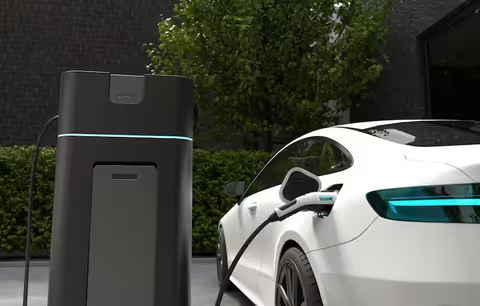
Hydrogen fuel cell vehicles (FCEVs), hydrogen-based power generation, and hydrogen for industrial uses are all part of a broader transition toward sustainable energy systems.
Importance Why Hydrogen Technology Matters Today
Hydrogen fuel technology holds significance for multiple reasons:
-
Decarbonization & Air Quality: By enabling zero-emission electricity and propulsion (fuel cells emit water), hydrogen helps reduce greenhouse gases and air pollution a key goal given global climate change and urban air quality concerns.
-
Energy Security & Flexibility: Hydrogen can be produced from a variety of primary sources (renewables, natural gas with carbon capture, etc.), offering flexibility and reducing reliance on imported fossil fuels. For countries like India, this can improve energy independence.
-
Versatility Across Sectors: Hydrogen’s applications span passenger vehicles, heavy‑duty transport (trucks, buses), maritime vessels, trains, off-grid power, and even industrial processes making it a cross-sectoral game‑changer.
-
Complement to Renewable Energy: Renewables like solar and wind are intermittent. Hydrogen allows surplus electricity to be stored (via electrolysis → hydrogen → later use in fuel cells), supporting stability and energy storage for clean power grids.
-
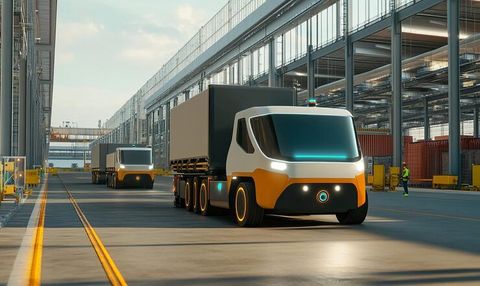
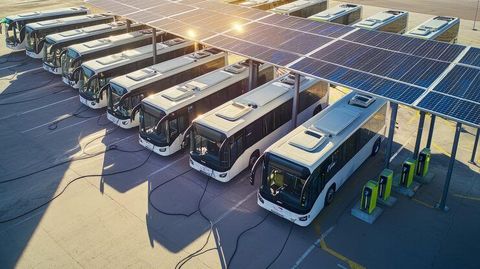
Long‑Range and Heavy‑Duty Transport Solution: For long‑haul transport, heavy trucks, buses, trains where battery electric solutions may have range or recharge limitations hydrogen fuel cells offer high energy density, faster refueling and suitability for sustained operation.
Thus, hydrogen technology could help address climate change, energy demands, pollution, and infrastructure/transport constraints especially beneficial for emerging economies and fast-growing urban centers.
Recent Updates & Trends (2025–2026)
| Date / Timeframe | Key Developments & Trends |
|---|---|
| 2025 (ongoing) | Efforts are accelerating in India to build hydrogen infrastructure, manufacturing capacity for electrolysers, and pilot projects for hydrogen-powered transportation. |
| April 2025 | Real-world trials of hydrogen FCEVs began in urban regions, testing the viability of hydrogen mobility. |
| 2025 (expected near‑term) | Launch of hydrogen-powered mass-transport and heavy-duty vehicles like trucks, buses, and trains under trials. |
| Global Technology Trends | Advances in electrolyzer and fuel cell technologies: improved efficiencies (e.g. proton exchange membrane, solid oxide electrolysis cells), better storage solutions, improving hydrogen transport and storage safety. |
| Challenges Still Visible | High cost of fuel cells, limited hydrogen refueling infrastructure, and overall high cost of hydrogen fuel remain major barriers to wide adoption. |
These developments indicate that hydrogen fuel technology is transitioning from theoretical discussion and pilot‑stage to real-world testing and early deployment particularly in countries like India.
Laws, Policies & Government Programs
Because hydrogen has strategic importance, many governments are formulating policies and missions to support its development and deployment. Key policy aspects:
-
The National Green Hydrogen Mission (NGHM): In India, the NGHM aims to position India as a global hub for green hydrogen production, usage, and export. It targets large-scale production capacity and aims to integrate hydrogen into transportation, industry, and power sectors.
-
Under NGHM, there are plans to develop “Green Hydrogen Hubs” or regional clusters, where production, refueling, distribution and end‑use infrastructure co-exist — enabling a full hydrogen ecosystem.
-
Incentives and supportive policies: The government’s policy framework encourages investments in electrolysis, green hydrogen manufacturing, and hydrogen-fuel cell applications.
-
Focus on heavy‑duty transport: NGHM identifies long‑haul transportation (buses, trucks) as a principal area for hydrogen fuel application, where hydrogen advantages (range, refueling speed) outweigh battery limitations.
These laws and policies aim to overcome infrastructure and cost barriers, encourage domestic manufacturing, and build the basis for a hydrogen-powered clean energy transition.
Tools and Resources
For those interested in exploring hydrogen fuel technology whether for research, academic work, or tracking developments here are useful tools and resources:
-
Government & Policy Documents: Whitepapers and official mission pages of NGHM (Ministry of New & Renewable Energy, Government of India) for updated policy, targets, incentives.
-
Industry Reports & Market Studies: Reports covering hydrogen fuel cell market, adoption potential, cost analyses helpful for understanding economics, scalability, and trend forecasts.
-
Technical Research & Academic Papers: Studies on techno-economic analysis of hydrogen production pathways, hybrid powertrains combining fuel cells with batteries for transport or energy.
-
Pilot Project Updates: News and updates from ongoing trials (transport, public transit, heavy-duty vehicles). Tracking real-world performance helps assess feasibility.
-
Hydrogen Technology Conferences / Summits: Global and national hybrid-energy or hydrogen summits often publish presentations, data sets, and collaboration calls.
-
Online Databases & Portals: Databases of hydrogen refueling stations, fuel cell vehicle certifications, safety and infrastructure guidelines.
-
Educational Platforms & Curricula: Many engineering and energy-sector courses include modules on electrolyser design, fuel cell systems, hydrogen safety.
These tools help stakeholders stay informed, plan research or investments, and assess when hydrogen technology becomes viable for broader deployment.
Frequently Asked Questions
What is green hydrogen, and how is it different from other types?
Green hydrogen is hydrogen produced by electrolysis powered by renewable electricity, resulting in near-zero emissions. Gray hydrogen comes from steam methane reforming (natural gas), which emits CO₂, and blue hydrogen uses carbon capture to reduce emissions.
Why isn’t hydrogen fuel more widespread yet, if it has so many advantages?
Challenges include high costs of production, storage, and transport, limited hydrogen fuel cell infrastructure, and large initial investments in electrolysis plants and distribution networks.
How does hydrogen compare to battery-electric vehicles (BEVs)?
Hydrogen fuel cells are ideal for long range, heavy loads, fast refueling, or continuous operation. BEVs are efficient for short-range, light-duty transport in urban areas. Each has trade-offs in infrastructure and energy storage.
Is hydrogen production always clean?
Not necessarily. Hydrogen from fossil fuels without carbon capture still produces emissions. Only hydrogen from renewable sources or with carbon capture yields environmental benefits.
Can hydrogen fuel be used beyond vehicles like power generation or industry?
Yes. Hydrogen can power stationary fuel cells, industrial processes, maritime transport, rail, and serve as a storage medium for renewable energy.
Conclusion
Hydrogen fuel technology stands at a pivotal moment. Environmental urgency, advances in electrolysis and fuel cells, and government policies especially under the National Green Hydrogen Mission are pushing hydrogen from concept to real-world deployment.
Challenges remain, including infrastructure, cost, scaling, and safety. Yet, momentum suggests hydrogen could become a cornerstone of clean energy systems, particularly in heavy transport, industry, and regions where battery solutions are insufficient.
For energy, transport, and policy stakeholders, staying informed and engaged with hydrogen developments is critical as this technology moves from trials to practical implementation.