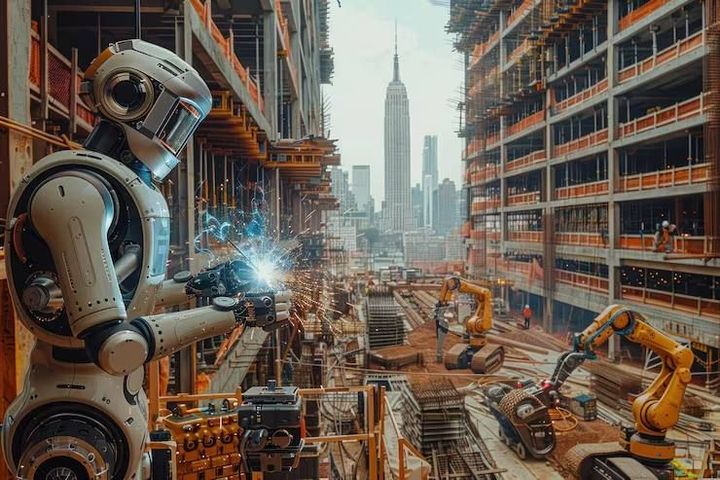
Construction Robotics Guide: Robot Designs, Working Principles, Functions and Building Applications
A Construction Robotics Guide explains how robotic machines and automated systems are designed, how they work, and how they are used in building projects. Construction robotics combines mechanical engineering, sensors, computer software, and control systems to perform tasks such as bricklaying, concrete printing, demolition, surveying, and material handling.
Context
A Construction Robotics Guide explains how robotic machines and automated systems are designed, how they work, and how they are used in building projects. Construction robotics combines mechanical engineering, sensors, computer software, and control systems to perform tasks such as bricklaying, concrete printing, demolition, surveying, and material handling. These technologies developed from industrial automation and have gradually expanded into construction environments, where work often takes place outdoors or in changing site conditions.
Traditional construction relies heavily on manual labor and equipment operated by people. However, repetitive activities, difficult working conditions, tight project schedules, and the need for consistent measurements have encouraged the development of robotic equipment. Construction robots can assist workers with specific tasks, although their capabilities depend on the machine design, site conditions, and level of automation.
Types of Construction Robot Designs
Construction robotics includes several machine designs, each intended for particular tasks. The choice depends on the materials being handled, the work area, required accuracy, and the project's layout.
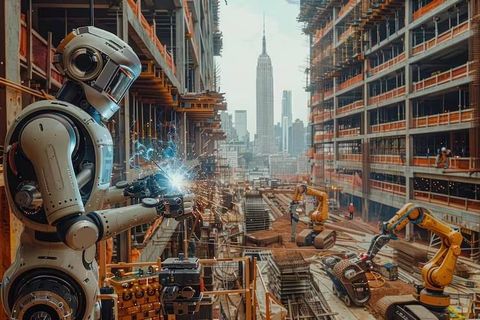
Robotic arms: Jointed mechanical arms used for brick placement, welding, cutting, and material positioning.
Mobile construction robots: Wheeled or tracked machines that move around a site to transport materials, inspect structures, or perform repetitive tasks.
Autonomous surveying robots: Systems that use positioning technology and sensors to measure distances, map terrain, and collect site information.
Demolition robots: Compact machines operated remotely or through automated controls to break concrete and remove selected materials.
Construction 3D printers: Systems that deposit concrete-based mixtures in programmed layers to create walls or other building components.
Exoskeletons: Wearable mechanical devices designed to support certain physical movements during lifting or repetitive work.
These designs are not interchangeable. A robotic arm may need a stable platform, while a mobile robot requires navigation systems suited to uneven ground, temporary obstacles, and changing site layouts.
Importance
Construction robotics matters because building projects involve many repetitive, physically demanding, and measurement-sensitive activities. Workers may encounter dust, noise, heavy materials, elevated work areas, and unstable surfaces. Robots can take on selected tasks in such environments, potentially reducing direct human exposure to particular hazards when they are properly deployed.
The technology also affects construction companies, engineers, architects, equipment operators, safety managers, and building owners. Understanding construction robotics helps these groups assess how automated equipment fits into existing methods, what skills are needed, and where human supervision remains essential.
Common Construction Robotics Applications
Construction robots are used or tested across several stages of building and infrastructure development.
Bricklaying and masonry: Automated systems position bricks or blocks according to programmed patterns, with performance depending on material preparation and design complexity.
Concrete printing: Robotic equipment deposits a controlled mixture layer by layer, following a digital model.
Site surveying: Robots equipped with cameras, laser scanners, or positioning sensors collect measurements for mapping and construction checks.
Material transportation: Mobile robots move selected tools, components, or supplies between designated locations.
Inspection: Robotic platforms, drones, and remotely operated equipment gather visual or sensor data from roofs, bridges, tunnels, and other structures.
Demolition: Remote-controlled machines can break or remove materials in confined or hazardous areas, subject to site controls.
Finishing and surface work: Specialized systems may assist with spraying, grinding, polishing, or applying materials to suitable surfaces.
Robotic equipment generally performs defined activities rather than independently managing an entire building project. Human workers continue to plan operations, check quality, handle exceptions, and coordinate tasks that require judgment.
Comparing Construction Robot Types
| Robot type | Main function | Important operating factor |
|---|---|---|
| Robotic arm | Precise movement and placement | Reach, payload, and positioning |
| Mobile robot | Material movement and inspection | Navigation and obstacle detection |
| Surveying robot | Mapping and measurement | Sensor accuracy and positioning |
| Demolition robot | Breaking and removing materials | Stability and hazard controls |
| Concrete 3D printer | Layer-by-layer material deposition | Mixture consistency and curing |
| Inspection drone | Aerial visual data collection | Weather, battery, and flight rules |
The capabilities listed are general. Individual machines differ in payload, operating range, software, environmental limits, and required supervision.
Recent Updates
From 2024 through 2026, construction robotics has continued to develop through improvements in artificial intelligence, computer vision, digital construction models, and machine coordination. Adoption varies by region and project type, and many technologies remain specialized rather than standard equipment across all building sites.
Artificial Intelligence and Sensor Integration
Modern construction robots may combine cameras, laser scanners, positioning systems, and other sensors to understand their surroundings. Computer vision can help identify objects, detect certain site conditions, and compare observed structures with digital designs. Artificial intelligence may assist with route planning, object recognition, and the interpretation of inspection data.
These capabilities do not eliminate errors. Dust, poor lighting, rain, reflective surfaces, moving workers, and incomplete digital models can affect sensor performance. Human oversight and suitable operating procedures remain important, particularly when machines work near people or heavy equipment.
Digital Construction and 3D Printing
Building Information Modeling (BIM) creates digital representations of a building's geometry and relevant project information. Construction teams can use these models to coordinate layouts, plan robotic movements, and compare site measurements with design requirements. The quality of the results depends on accurate models, compatible software, and reliable data transfer.
Construction 3D printing has also received continued attention for selected walls, building components, and experimental structures. It uses programmed movement to deposit material in layers, but structural requirements, reinforcement, weather conditions, material properties, and local building rules influence where the method is suitable.
Human-Robot Collaboration
Some systems are designed to work near human operators, while others require restricted operating zones. Collaborative robotic arms may include force sensing, speed limits, or protective controls, depending on their design. Mobile machines may use warning signals and obstacle-detection systems to reduce the risk of collisions.
The practical trend is toward combining automation with human supervision rather than removing people from every construction activity. Training, equipment maintenance, and clear responsibility for machine operation remain important parts of deployment.
Laws or Policies
Construction robotics must comply with applicable workplace safety rules, building regulations, electrical requirements, and equipment standards. The specific requirements depend on the country, type of machine, work being performed, and whether the equipment is operated on a construction site, in a factory, or in public space.
Construction Robotics Regulations in India
In India, construction projects are affected by applicable central and state legislation, local building rules, and occupational safety requirements. The Occupational Safety, Health and Working Conditions Code, 2020, forms part of the country's labor-law framework; its practical application depends on commencement notifications and other applicable legal provisions. Project teams should verify which rules are currently in force for their location and activity.
Building projects may also need to comply with local development regulations, approved building plans, fire safety requirements, and relevant provisions of the National Building Code of India. Robotic construction methods do not automatically remove the need for required structural checks, approvals, or inspections.
Machinery Safety and Drone Operations
Robotic machinery introduces hazards such as unexpected movement, crushing, electrical faults, falling materials, and collisions. Appropriate safeguards may include emergency stops, protective barriers, restricted-access zones, operator training, inspection schedules, and documented operating procedures.
When drones are used for construction surveying or inspection in India, operators must consider the applicable Drone Rules, 2021, and subsequent amendments or directions. Requirements may vary according to the drone category, location, airspace restrictions, and intended operation. Relevant approvals and airspace information should be checked before a flight.
Construction robotics also involves digital information, including site photographs, building models, and survey records. Project teams should manage access to sensitive information and follow applicable privacy, contractual, and data-protection requirements.
Tools and Resources
Several software platforms and technical resources help construction teams understand, plan, and operate robotic systems. Their suitability depends on project size, machine compatibility, staff expertise, and the required level of automation.
Design and Simulation Software
Building Information Modeling platforms help create and coordinate digital building models. Examples include Autodesk Revit and Bentley Systems' OpenBuildings Designer. These tools can support design coordination and provide geometry that may be used in construction planning, depending on the equipment and software integration.
Robot simulation environments allow engineers to test movements, reach, collision risks, and task sequences before operating physical machines. Tools such as ROS 2 and compatible simulation environments are used in robotics development, although they require suitable technical knowledge and integration work.
Surveying and Project Monitoring Tools
Laser scanners, total stations, positioning equipment, drones, and site-mapping software help collect information about terrain and structures. Their accuracy depends on calibration, environmental conditions, measurement methods, and operator procedures.
Construction teams may also use digital checklists and project-management systems to record machine inspections, maintenance, operating hours, incidents, and task completion. A simple tracking template can include equipment identification, inspection date, operator, maintenance history, safety checks, and reported faults.
Training and Technical References
Manufacturer manuals provide information about machine limits, operating procedures, maintenance, and safety controls. Technical education programs in robotics, automation, surveying, and construction engineering can help workers understand the equipment they operate or supervise.
Applicable Indian regulations, local building authority publications, and recognized machinery-safety standards provide additional context. The exact standard should be selected according to the robot type, work activity, and jurisdiction.
FAQs
What is construction robotics?
Construction robotics is the use of robotic machines and automated systems to perform selected building activities, including surveying, material handling, masonry, inspection, and demolition. These systems combine mechanical components, sensors, and control software.
How do construction robots work?
Construction robots follow programmed instructions and use motors, sensors, controllers, and software to perform defined movements or tasks. Some operate along fixed paths, while others use sensor data to adjust their movements to changing conditions.
What are the main applications of construction robotics?
Common applications include bricklaying, concrete 3D printing, site mapping, material transportation, structural inspection, surface finishing, and remote demolition. The suitable application depends on the robot's design and the site's conditions.
How is artificial intelligence used in construction robotics?
Artificial intelligence can support object recognition, navigation, inspection analysis, and the interpretation of sensor data. Its reliability depends on data quality, environmental conditions, system design, and appropriate human supervision.
What safety rules apply to construction robots in India?
Construction robots must follow applicable workplace safety, machinery, building, and operational requirements. Drone-based inspection may also fall under Indian aviation rules, while specific obligations depend on the equipment and activity.
Conclusion
Construction robotics combines mechanical systems, sensors, and software to automate selected building tasks. Its applications range from surveying and material handling to concrete printing, inspection, and demolition. Recent developments in artificial intelligence and digital construction models are expanding possible uses, although environmental conditions and technical limitations remain important. Safety procedures, operator training, and compliance with applicable regulations are essential parts of using robotic equipment on construction projects.