Biogas Production Units An In Depth Overview with Basics, Facts, and Practical Knowledge
Biogas production units are renewable energy systems designed to convert organic waste into useful energy through anaerobic digestion. This biological process occurs when microorganisms break down biodegradable materials in the absence of oxygen, producing methane-rich gas and nutrient dense digestate. These units exist to address three global challenges simultaneously: organic waste accumulation, energy security, and environmental protection.
The concept of biogas generation is not new. Its scientific foundation dates back to the 18th century, while structured digestion systems expanded globally during the 20th century due to growing interest in clean energy and sustainable waste management. Today, biogas production units are recognized as a pillar of the circular economy, transforming agricultural residue, food waste, animal manure, and sewage sludge into renewable fuel and organic fertilizer.
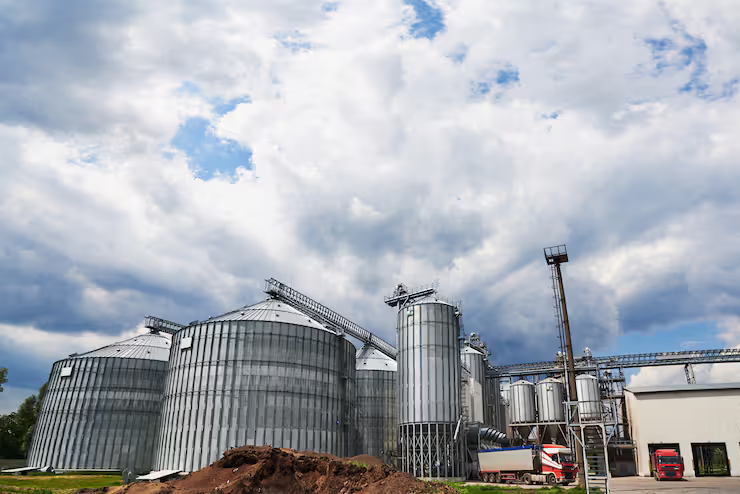
Modern biogas plants range from small household digesters to industrial-scale energy recovery systems used in municipal waste processing, agro-industrial complexes, and wastewater treatment sites. Their popularity is driven by rising fossil fuel volatility, climate commitments, and advances in bioenergy engineering.
Importance: Why Biogas Production Units Matter Today
Biogas production units play a critical role in addressing energy transition, greenhouse gas mitigation, and waste conversion efficiency. Their relevance has grown rapidly due to mounting climate risks and energy diversification strategies.
Key areas where biogas units create real-world impact include:
-
Renewable Energy Generation: Converts methane into usable power and thermal energy.
-
Waste-to-Energy Conversion: Diverts organic waste from landfills and open dumping.
-
Carbon Emission Reduction: Prevents uncontrolled methane release.
-
Soil Nutrient Recovery: Produces digestate rich in nitrogen, phosphorus, and potassium.
-
Energy Security: Reduces dependence on imported fossil fuels.
These systems directly affect:
-
Agricultural producers managing livestock waste
-
Urban bodies handling food and sewage waste
-
Power utilities integrating decentralized bioenergy
-
Environmental regulators tracking climate targets
The following table summarizes the comparative environmental impact of waste treatment pathways:
| Waste Handling Method | Methane Control | Energy Recovery | Soil Benefits | Emission Risk |
|---|---|---|---|---|
| Open Dumping | No | None | None | Very High |
| Landfill | Partial | Limited | None | High |
| Composting | Low | None | Moderate | Medium |
| Biogas Digestion | Full | High | High | Low |
Biogas production units are also increasingly linked with carbon accounting, renewable energy credits, climate financing mechanisms, and industrial decarbonization programs, making them relevant for environmental economics and sustainability analytics.
Recent Updates: Trends and Developments from the Past Year
Over the past year, biogas systems have experienced renewed momentum due to climate finance expansion and stricter emission benchmarks. Several notable global trends emerged during 2024–2025:
-
Advanced Biogas Upgrading Technologies (2024): Increased deployment of membrane separation and pressure swing adsorption for biomethane purification.
-
AI-Based Digester Monitoring (2024): Integration of real-time sensor analytics to optimize gas yield.
-
Organic Waste Segregation Mandates (2025): Many regions strengthened source separation laws to enhance feedstock quality.
-
Biomethane Grid Injection Growth (Late 2024): Expanded infrastructure allowing biogas-derived methane to enter national gas grids.
-
Decentralized Renewable Microgrids (2025): Biogas generators increasingly support rural electrification and backup power systems.
A simplified trend graph representation:
| Year | Technology Adoption | Grid Injection | AI Monitoring | Circular Economy Integration |
|---|---|---|---|---|
| 2022 | Low | Very Limited | Minimal | Moderate |
| 2023 | Moderate | Limited | Low | High |
| 2024 | High | Growing | Moderate | Very High |
| 2025 | Very High | Rapid | High | Advanced |
These trends signal that biogas production units are transitioning from traditional digestion systems into digitally optimized renewable energy infrastructure.
Laws and Policies: How Regulations Shape Biogas Development
Biogas production units operate within a structured regulatory ecosystem that governs environmental compliance, renewable energy certification, and waste handling standards. Government frameworks influence planning approvals, interconnection rules, grid injection eligibility, and biofertilizer classification.
Common regulatory focus areas include:
-
Waste segregation standards
-
Renewable energy classification rules
-
Emission monitoring compliance
-
Digestate safety thresholds
-
Grid injection quality parameters
In several countries, national bioenergy missions, climate commitments under international agreements, and agricultural waste utilization programs support structured biogas integration into energy policy.
Key policy mechanisms shaping the sector include:
-
Renewable Portfolio Standards
-
Green Hydrogen and Biomethane Integration Policies
-
Carbon Market Accounting Frameworks
-
Organic Waste Processing Guidelines
-
Fertilizer Control Orders for Digestate
These regulatory structures ensure biogas units operate under environmental safeguards while remaining aligned with national decarbonization pathways.
Tools and Resources: Helpful Digital and Technical Support Systems
Biogas production and performance optimization increasingly rely on digital platforms, process calculators, and analytical tools. These resources enable system design analysis, feedstock estimation, methane potential modeling, and environmental impact measurement.
Common categories of tools include:
-
Anaerobic digestion simulation software
-
Biogas yield estimation calculators
-
Feedstock nutrient analysis tools
-
Methane emission tracking dashboards
-
Lifecycle emission assessment models
A practical tool classification table:
| Tool Type | Primary Function | Application Area |
|---|---|---|
| Digester Design Software | Reactor sizing | Engineering Planning |
| Biogas Yield Calculators | Methane estimation | Feedstock analysis |
| Gas Analyzer Instruments | Purity testing | Gas quality monitoring |
| Carbon Accounting Tools | Emission tracking | Sustainability reporting |
| Nutrient Balance Tools | Digestate profiling | Soil management |
Technical handbooks published by energy research institutions and environmental agencies further provide standardized design benchmarks, safety practices, and troubleshooting methodologies.
FAQs on Biogas Production Units
What materials can be processed in biogas production units?
Biogas units can process animal manure, food waste, crop residue, sewage sludge, organic industrial effluent, and biodegradable municipal waste.
Is biogas considered renewable energy?
Yes. Biogas is classified as renewable because it originates from organic matter that naturally regenerates through biological cycles.
What is the difference between biogas and biomethane?
Biogas contains methane mixed with carbon dioxide and trace gases. Biomethane is purified biogas with high methane concentration suitable for grid injection and vehicle fuel use.
Does biogas digestion eliminate harmful pathogens?
Controlled anaerobic digestion significantly reduces pathogens due to heat generation and microbial breakdown, though post-treatment standards still apply for digestate reuse.
How long does anaerobic digestion take?
Typical digestion cycles range from 20 to 60 days depending on feedstock composition, temperature, and reactor design.
Conclusion: The Growing Role of Biogas Production Units
Biogas production units represent a strategic intersection of renewable energy, waste transformation, climate protection, and nutrient recycling. They offer a scientifically proven pathway to control methane emissions, enhance energy resilience, and support sustainable agriculture.
With accelerating innovation in digital control systems, biogas upgrading technologies, and emission tracking platforms, these units are evolving into sophisticated clean energy assets rather than simple waste treatment systems. Their alignment with circular economy principles makes them essential infrastructure for low-carbon development strategies.
As environmental accountability grows and renewable diversification accelerates, biogas production units will continue to shape decentralized power generation, organic waste management efficiency, and climate-positive industrial ecosystems.