Understanding Lab-Created Diamonds A Guide to Basics, Knowledge, and Expert Suggestions
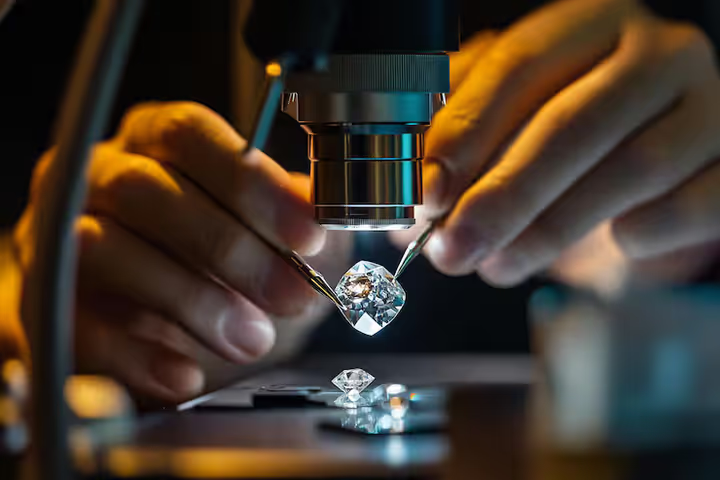
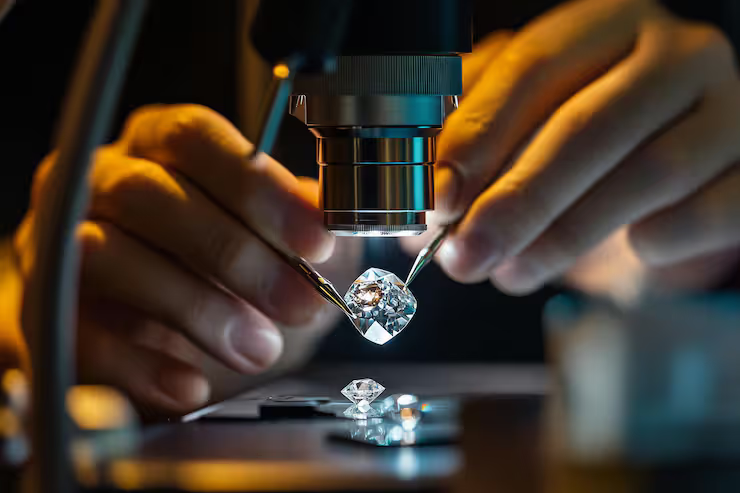
Lab-created diamonds, also known as lab-grown or synthetic diamonds, are real diamonds produced in controlled laboratory environments rather than forming naturally within the Earth over millions of years.
They share the same chemical composition, crystal structure, hardness, and optical properties as natural diamonds, making them visually and scientifically identical in most ways.
Two methods dominate their production:
-
High-Pressure High-Temperature (HPHT): Replicates the intense heat and pressure conditions under which natural diamonds form.
-
Chemical Vapour Deposition (CVD): Grows diamond crystals layer by layer on a thin carbon seed placed in a specialized chamber.
Lab-created diamonds exist because technological advancements now allow precise diamond formation. They also emerged in response to global interest in ethical gemstone options, sustainable production, and high-quality materials that do not rely on geological rarity.
Importance — Why Lab-Created Diamonds Matter Today
Lab-created diamonds play a major role in today’s gemstone and jewellery landscape. Their significance comes from several key factors:
Ethical and Environmental Considerations
Many people seek alternatives to traditional diamond mining due to concerns about land disruption, ecological effects, and ethical issues. Lab-grown diamonds avoid these mining-related challenges and appeal to consumers looking for environmentally thoughtful options.
Broad Accessibility
Because they are produced through controlled processes rather than extracted from the Earth, lab-created diamonds are generally more accessible for people seeking high-quality gemstones without high-end pricing pressure. This broadens diamond ownership for new buyers, younger audiences, and individuals focused on value, clarity, and durability.
Consistency and Precision
Laboratory procedures allow for consistent production quality. This attracts consumers who want predictable characteristics such as clarity, color accuracy, and well-formed crystalline structures.
Industry Evolution
Lab-created diamonds are influencing jewellery design, gemstone grading practices, retail strategies, and global manufacturing. Their rise encourages innovation, enhanced transparency, and greater consumer education.
Recent Updates — Key Trends and Changes from the Past Year
Simplified Grading Approaches
Some gemological organizations have introduced streamlined grading categories specifically for lab-grown diamonds. Instead of detailed multi-step grading frameworks, newer systems classify lab-created diamonds into broad tiers such as Premium or Standard, recognizing the more consistent quality range produced in laboratories.
Growing Certification Volume
Certification bodies have reported strong year-on-year growth in the number of lab-grown diamonds submitted for grading. Large diamond-processing regions, especially those with established cutting and polishing hubs, have expanded their facilities to accommodate rising demand.
Mandatory Disclosure and Clear Labelling
Regulators in multiple countries, including India, have strengthened rules requiring transparent labelling for lab-created diamonds. Terms like lab-grown, laboratory-created, or synthetic must be displayed clearly, ensuring consumers can distinguish between natural and lab-grown stones.
Increasing Consumer Acceptance
Younger buyers and first-time jewellery purchasers show a growing preference for lab-created diamonds. Many value the combination of ethical sourcing, modern production technology, and accessible price points. This shift continues to influence market trends, design preferences, and purchasing patterns.
Market Stability and Industry Discussions
Industry groups continue to debate long-term pricing, supply trends, and demand cycles. Over-production has been a topic of discussion, with experts highlighting the importance of responsible manufacturing to maintain confidence in lab-grown gemstones.
Laws and Policies — How Regulations Shape the Lab-Created Diamond Market
Mandatory Labelling Rules
Regulations require clear disclosure whenever a diamond is lab-grown. Retailers must label such gems with terms like lab-grown or synthetic diamond. This prevents consumer confusion and ensures full transparency.
Prohibition of Misleading Terms
Rules restrict the use of ambiguous words such as genuine or natural when describing lab-created diamonds. This supports fair marketing practices and protects buyers from inaccurate claims.
Standards by National Bodies
In India, the Bureau of Indian Standards (BIS) maintains definitions where the unqualified term “diamond” refers solely to naturally formed gemstones. Any laboratory-made gemstone must be labelled with its correct category.
Investment and Manufacturing Policies
Governments have encouraged growth in the lab-created diamond sector by easing investment rules, supporting research initiatives, and developing manufacturing-friendly industrial clusters. This helps expand production, export capability, and certification infrastructure.
International Ethical Standards
Global organizations offer guidelines related to human rights, environmental practices, safe working conditions, and transparent supply chains. These standards help ensure the lab-grown diamond industry maintains credibility and responsible production throughout its lifecycle.
Tools and Resources — Helpful Platforms and Guidance
Diamond Grading Laboratories
Organizations that provide certification and quality assessment help consumers understand clarity, color, structure, and overall grading categories for lab-created diamonds.
Updated Grading Reports
Simplified grading systems for lab-grown diamonds, such as two-tier quality reports, make it easier for buyers to compare gemstones without navigating highly complex grading scales.
Sustainability and Ethical Standards
Industry guidelines and certification frameworks help evaluate whether manufacturers follow ethical practices, sustainable production, and responsible sourcing.
Educational Guides
Many consumer-facing resources explain how to understand diamond characteristics, interpret grading terminology, identify production methods (HPHT or CVD), and evaluate gemstone quality before making informed decisions.
Regulatory Information Portals
Government and industry portals offer updated guidelines related to labelling, disclosure rules, taxation, certification requirements, and compliance expectations.
FAQs
Q: Are lab-created diamonds real diamonds?
Yes. Lab-created diamonds have the same chemical structure (pure carbon), hardness, brilliance, and optical characteristics as natural diamonds. The only difference is their origin — laboratory growth instead of geological formation.
Q: Do lab-grown diamonds follow the same grading system as natural ones?
They were traditionally graded using the 4Cs (Cut, Color, Clarity, Carat). However, some organizations now use simplified grading ranges specifically for lab-grown diamonds, such as “Premium” and “Standard.”
Q: Are lab-created diamonds more environmentally friendly?
They typically avoid the land disruption and ecological impact associated with mining. Their environmental benefits depend on factors like energy sources used during production.
Q: How can someone know whether a diamond is lab-grown or natural?
Clear labelling is required. Certificates from gemological laboratories indicate whether the diamond was created using CVD or HPHT technology. Retailers must disclose origin transparently.
Q: Is there government regulation for lab-grown diamonds?
Yes. Many countries enforce rules for accurate labelling, ethical marketing, and transparent disclosure. Standards organizations also maintain definitions that separate natural and lab-grown gemstones.
Conclusion
Lab-created diamonds combine scientific innovation, ethical considerations, and modern manufacturing precision. Their emergence has reshaped the global gemstone landscape by offering high-quality diamonds produced under controlled conditions. With growing consumer acceptance, updated grading systems, and strengthened regulations, lab-grown diamonds are now a mainstream option for people who value clarity, knowledge, and consciousness in their purchasing decisions.
As awareness increases and technology evolves, lab-created diamonds will continue to influence design choices, market trends, and responsible jewellery practices — making them an important part of the future gemstone ecosystem.