Paper Bag Making Machines An Informative Guide to Basics, Working Process, and Key Facts
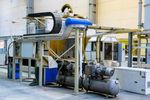
Paper bag making machines are industrial systems designed to convert paper rolls or sheets into finished paper bags of different sizes and styles. These machines automate cutting, folding, gluing, and forming processes that were once done manually. Their existence is closely linked to the global shift toward paper-based packaging and the need for scalable, consistent, and efficient manufacturing methods.
The rise of organized retail, food packaging standards, and logistics efficiency created demand for uniform paper bags with predictable strength and dimensions. Manual production could not keep up with this demand, leading to the development of mechanized solutions. Today, these machines are used in packaging ecosystems connected to retail, food distribution, agriculture, and general goods handling.

Paper bag making machines are not limited to one format. They support flat bags, square-bottom bags, SOS (self-opening square) bags, and handle-attached bags. Their flexibility makes them relevant across industries that require standardized packaging while maintaining material efficiency.
Importance: Why This Topic Matters Today
The importance of paper bag making machines has grown significantly due to changes in environmental awareness, packaging regulations, and consumer behavior. Many regions are reducing dependence on single-use plastic, which has increased the relevance of paper-based alternatives.
Key reasons this topic matters include:
-
Sustainability alignment: Paper packaging aligns with recyclable and biodegradable material goals.
-
Operational efficiency: Automated machines improve output consistency and reduce material waste.
-
Scalability: They support both small-batch and large-volume production needs.
-
Supply chain reliability: Uniform bag dimensions help with storage, stacking, and transportation.
Industries affected include retail distribution, food packaging, agriculture produce handling, and logistics operations. For these sectors, paper bag making machines solve challenges related to volume demand, quality consistency, and compliance with packaging norms.
From a broader perspective, these machines contribute to circular economy models by supporting paper recycling streams and reducing reliance on complex composite materials.
Basics and Working Process Explained
Understanding the working process helps clarify how raw paper is transformed into finished bags. While configurations vary, the core steps remain similar across most systems.
Key stages in the working process:
-
Paper roll or sheet feeding
-
Tube or blank formation
-
Bottom folding and sealing
-
Optional handle attachment
-
Final cutting and stacking
Simplified process flow (table format):
| Process Stage | Function | Outcome |
|---|---|---|
| Feeding | Introduces paper into machine | Continuous paper flow |
| Forming | Shapes paper into tube or blank | Bag body created |
| Bottom sealing | Folds and bonds base | Structural stability |
| Cutting | Separates individual bags | Uniform size output |
| Stacking | Organizes finished bags | Ready for handling |
Most modern machines use sensors and control panels to maintain alignment and speed accuracy. Adhesive application is precisely timed to avoid overuse while ensuring bonding strength. Some systems also include inline printing or marking units, allowing information to be added during production without interrupting flow.
Recent Updates, Trends, and Developments
Over the past year, paper bag making machines have seen gradual but notable technological and operational updates.
2025 trends and updates include:
-
Automation refinement (2025): Improved servo motor control systems have enhanced speed stability and reduced downtime.
-
Energy efficiency focus (late 2024–2025): Newer models emphasize lower power consumption through optimized drive systems.
-
Material adaptability: Machines are increasingly designed to handle different paper grammages without extensive recalibration.
-
Digital monitoring: Integration of basic IoT dashboards allows operators to track production metrics and maintenance alerts.
Another noticeable trend is the emphasis on modular machine designs. This allows manufacturers to add or remove features such as handle units or printing modules based on production needs, without changing the entire system.
These updates reflect broader manufacturing trends focused on flexibility, data visibility, and process optimization rather than radical redesign.
Laws, Rules, and Policy Influence
Paper bag making machines are indirectly influenced by packaging, environmental, and industrial regulations rather than machine-specific laws.
In India and many other regions, policies affecting this space include:
-
Plastic waste management rules: Restrictions on certain plastic packaging types increase reliance on paper alternatives.
-
Recycling and material standards: Guidelines encourage use of recyclable paper and standardized thickness for packaging.
-
Industrial safety regulations: Machinery operation must comply with workplace safety norms related to electrical systems, moving parts, and operator training.
-
Environmental compliance programs: Emission control, energy usage reporting, and waste management practices influence machine design and operation.
These policies shape how machines are designed, especially in terms of energy efficiency, safety guarding, and compatibility with approved paper materials. While the machines themselves are not regulated as consumer products, their outputs must align with packaging and labeling standards.
Tools and Resources Related to Paper Bag Making Machines
Several tools and resources support understanding, planning, and optimizing paper bag production without focusing on commercial transactions.
Helpful tools and resources include:
-
Paper grammage calculators for estimating material strength
-
Packaging design templates for bag dimensions and folding patterns
-
Production efficiency spreadsheets for tracking output and waste
-
Industry standards documents related to paper quality and recyclability
-
Technical manuals and simulation diagrams explaining machine workflows
Example reference table for paper selection:
| Paper Type | Typical Use | Key Property |
|---|---|---|
| Kraft paper | Retail and grocery bags | High tear resistance |
| Recycled paper | General packaging | Environmental compliance |
| Coated paper | Specialty bags | Surface finish consistency |
These resources help stakeholders evaluate technical feasibility, operational efficiency, and material suitability without making claims related to commercial outcomes.
Frequently Asked Questions (FAQs)
What types of paper can be used in paper bag making machines?
Most machines work with kraft paper, recycled paper, and similar paper grades within specified thickness ranges. Compatibility depends on machine configuration and feeding mechanism.
How does automation improve bag quality?
Automation ensures consistent folding, cutting, and sealing, which reduces dimensional variation and improves structural reliability across batches.
Are paper bag making machines adaptable to different bag sizes?
Yes. Many systems allow size adjustments through mechanical settings or digital controls, enabling multiple bag formats from the same machine framework.
What maintenance aspects are most important?
Regular inspection of rollers, adhesive systems, and cutting units is essential. Proper lubrication and alignment checks help maintain consistent output.
Do these machines support sustainable packaging goals?
They support paper-based packaging, which aligns with recyclable material streams. Sustainability outcomes depend on paper sourcing and waste management practices.
Conclusion
Paper bag making machines play a critical role in modern packaging ecosystems by enabling efficient, consistent, and scalable production of paper bags. Their relevance has grown due to environmental considerations, regulatory shifts, and evolving supply chain requirements. Understanding their basics, working process, recent developments, and regulatory context helps stakeholders make informed, compliance-aligned decisions.
As technology continues to focus on automation efficiency, energy optimization, and material flexibility, these machines are likely to remain central to paper-based packaging strategies. When viewed through an informational and technical lens, they represent not just machinery, but an essential link between raw materials, manufacturing systems, and responsible packaging practices.