Ultrasonic Cleaning Machines Comparison Guide: Insights, Tips, Basics & Practical Knowledge
Ultrasonic cleaning machines are specialized devices that use high-frequency sound waves typically between 20 kHz and 80 kHz to remove contaminants from surfaces. These machines operate by creating microscopic cavitation bubbles in a liquid cleaning solution. When these bubbles collapse, they generate tiny but powerful cleaning forces that dislodge dirt, grease, carbon deposits, and other residues from intricate or hard-to-reach areas.
In recent years, ultrasonic cleaning has gained significant traction across industries such as healthcare, automotive, electronics, jewelry, and manufacturing. The growing demand for precision cleaning especially in sectors dealing with delicate components has accelerated adoption. Compared to traditional cleaning methods, ultrasonic systems offer higher efficiency, reduced chemical usage, and improved consistency.
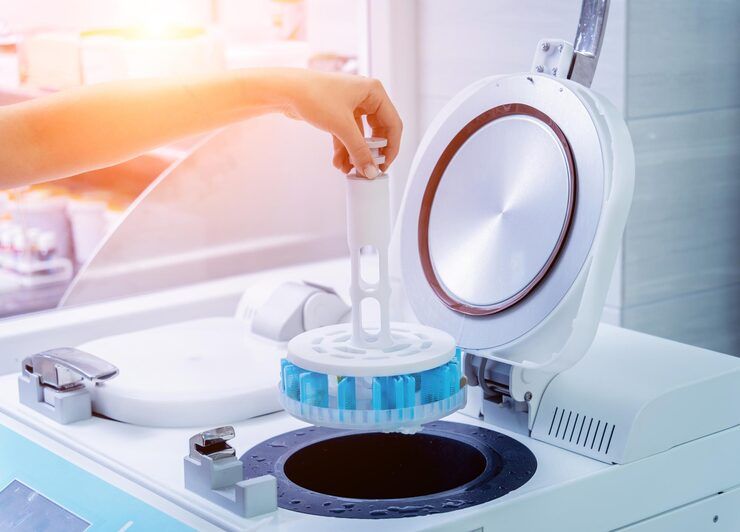
Recent trends highlight a shift toward eco-friendly cleaning solutions, digital control systems, and energy-efficient designs. Industries are increasingly integrating ultrasonic cleaners into automated workflows, improving productivity while maintaining strict hygiene and quality standards. This comparison is important today because businesses and individuals must choose between different machine types, frequencies, tank sizes, and features based on their specific cleaning needs.
Who It Affects and What Problems It Solves
Ultrasonic cleaning machines impact a wide range of users, from industrial manufacturers to small-scale professionals and even household users. In healthcare, they are used for sterilizing surgical instruments. In electronics, they help clean sensitive circuit boards without causing damage. Automotive workshops rely on them for cleaning engine components, carburetors, and injectors. Jewelry professionals use ultrasonic cleaners to restore shine to intricate pieces.
For small businesses and laboratories, these machines reduce manual labor and ensure consistent cleaning results. In precision industries, where even microscopic contamination can lead to product failure, ultrasonic cleaning plays a critical role in maintaining quality standards.
Problems It Solves
- Ineffective manual cleaning: Traditional methods struggle with small crevices and complex geometries.
- Time-consuming processes: Ultrasonic cleaning significantly reduces cleaning time.
- Damage to delicate parts: Gentle cavitation minimizes risk compared to abrasive cleaning.
- Chemical overuse: Requires fewer harsh chemicals, making it environmentally safer.
- Inconsistent results: Automated processes ensure uniform cleaning quality.
Recent Updates and Trends
Over the past year, several developments have influenced the ultrasonic cleaning machine market:
- Smart Integration (2025): Many new models include digital timers, temperature controls, and IoT connectivity, allowing remote monitoring and automation.
- Eco-Friendly Solutions: Manufacturers are introducing biodegradable cleaning agents and water-based solutions to comply with environmental standards.
- Energy Efficiency Improvements: Newer machines consume less power while maintaining high cleaning performance.
- Multi-Frequency Technology: Advanced systems now offer adjustable frequencies for different cleaning requirements—lower frequencies for heavy-duty cleaning and higher frequencies for delicate items.
- Compact Designs: Portable ultrasonic cleaners are becoming popular for small businesses and home users.
These updates reflect a broader shift toward sustainability, precision, and automation.
Comparison Table of Ultrasonic Cleaning Machines
| Feature | Entry-Level Machines | Mid-Range Machines | Industrial-Grade Machines |
|---|---|---|---|
| Frequency Range | 20–40 kHz | 25–60 kHz | 20–120 kHz (multi-frequency) |
| Tank Capacity | 0.5–3 liters | 5–30 liters | 50+ liters |
| Control System | Basic (manual knobs) | Digital display & timer | Programmable & automated |
| Cleaning Efficiency | Moderate | High | Very high |
| Suitable Applications | Jewelry, small tools | Medical, electronics | Automotive, manufacturing |
| Energy Consumption | Low | Moderate | Optimized high-efficiency |
| Cost Range | Low | Medium | High |
| Durability | Basic materials | Stainless steel tanks | Industrial-grade construction |
| Noise Level | Moderate | Low | Low with insulation |
Laws or Policies Affecting Ultrasonic Cleaning Machines
Regulations related to ultrasonic cleaning machines vary by country but generally focus on safety, environmental impact, and workplace compliance.
Key Regulatory Areas
- Electrical Safety Standards: Machines must comply with national electrical safety certifications to prevent hazards.
- Chemical Usage Regulations: Cleaning solutions used in ultrasonic systems must meet environmental and health guidelines.
- Workplace Safety Rules: Operators must follow occupational safety standards, including proper handling and protective equipment.
- Waste Disposal Policies: Used cleaning solutions must be disposed of according to environmental regulations.
Practical Guidance
- For medical and laboratory use, ensure compliance with sterilization and hygiene standards.
- For industrial applications, choose machines that meet environmental and emission norms.
- For small businesses, prioritize certified equipment with user safety features such as automatic shutoff and temperature control.
Understanding these policies helps users select compliant equipment and avoid operational risks.
Tools and Resources
Several tools and resources can help users select and operate ultrasonic cleaning machines effectively:
- Frequency Selection Charts: Help determine the appropriate frequency for specific cleaning tasks.
- Cleaning Solution Guides: Provide recommendations for compatible detergents and solvents.
- Maintenance Checklists: Ensure proper upkeep and extend machine lifespan.
- Online Calculators: Estimate tank size requirements based on workload.
- Industry Standards Documentation: Offers guidelines for compliance in healthcare and manufacturing sectors.
- Training Manuals and Tutorials: Assist new users in understanding operation and safety procedures.
These resources improve decision-making and optimize machine performance.
Frequently Asked Questions
What is the ideal frequency for ultrasonic cleaning?
Lower frequencies (20–40 kHz) are suitable for heavy-duty cleaning, while higher frequencies (above 60 kHz) are better for delicate items.
Can ultrasonic cleaning damage sensitive components?
When used correctly with appropriate frequency and solution, it is safe for most delicate items, including electronics and jewelry.
How long does ultrasonic cleaning take?
Cleaning cycles typically range from 3 to 20 minutes, depending on the level of contamination and machine specifications.
Are special cleaning solutions required?
Yes, using compatible cleaning solutions enhances effectiveness and prevents damage to both the machine and the items being cleaned.
Is ultrasonic cleaning environmentally friendly?
Compared to traditional methods, it uses fewer chemicals and less water, making it a more sustainable option.
Conclusion
Ultrasonic cleaning machines offer a highly efficient and precise solution for removing contaminants across various industries. Data and industry observations indicate that these machines significantly reduce cleaning time while improving consistency and minimizing chemical usage. Entry-level models are suitable for basic tasks, while industrial-grade systems provide advanced capabilities for large-scale operations.
The choice of machine depends on factors such as frequency, tank size, application type, and regulatory requirements. Recent advancements such as multi-frequency technology and energy-efficient designs have further enhanced their value.
For most users, selecting a mid-range machine with digital controls and appropriate capacity provides a balanced combination of performance and cost-effectiveness. However, specialized industries should consider advanced systems tailored to their specific needs.