Smart Factory Energy Systems Guide: Types, Controls, Monitoring, Efficiency and Industrial Uses
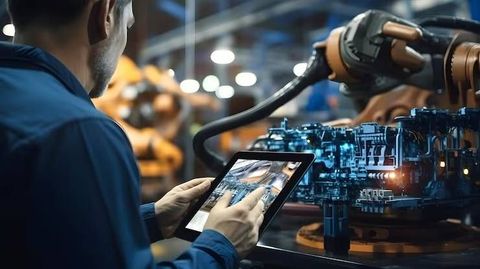
Smart factory energy systems bring together energy meters, sensors, controls, software, and industrial equipment to measure and manage electricity and other energy flows. They are part of the wider move toward connected manufacturing, where production data and energy data can be viewed together. The main purpose is to understand where energy is used, detect unusual patterns, coordinate equipment, and support more efficient industrial operation.
Context
How Smart Factory Energy Systems Developed
Traditional factories often relied on utility meters and manual readings. As factories adopted digital controls, programmable controllers, sensors, variable-speed drives, and industrial networks, energy information could be collected closer to individual machines and production areas.
A smart factory energy system connects these elements through an energy monitoring platform or industrial control architecture. Depending on the facility, it can cover electricity, natural gas, steam, compressed air, heating, cooling, and other energy flows.
The system usually has four layers: measurement devices collect data; communication networks move the data; software organizes and analyzes it; and controls can adjust selected equipment. The exact arrangement depends on the factory layout, production process, and energy profile.
Common System Types
Smart factory energy systems can be grouped by their main function. Energy monitoring systems focus on measurement and dashboards, while energy management systems add analysis, alarms, reporting, and control. Facility management platforms may also include factory lighting, ventilation, cooling, and other building loads.
Some factories use machine-level monitoring, while others begin with main electrical panels and major production areas. More advanced arrangements connect energy information with manufacturing execution systems, industrial automation platforms, or digital twin models.
Importance
Why Energy Monitoring Matters
Energy use in a factory can change with production volume, shift patterns, equipment condition, weather, and operating schedules. A monthly utility reading may show the total amount used but cannot always explain which process caused a change.
Smart monitoring can divide energy use into smaller areas. A plant team can compare one production line with another, examine equipment during idle periods, or identify unusual consumption patterns. This creates a clearer picture of how energy relates to production.
The approach can also help address several practical challenges:
- Finding equipment that continues to use energy during inactive periods.
- Tracking changes in electricity demand across shifts.
- Comparing energy use with production output.
- Identifying unusual readings from motors, compressors, pumps, or heating equipment.
- Supporting maintenance planning through changes in energy behavior.
- Creating records for internal energy reviews and regulatory reporting.
Main Components
A typical smart factory energy system may include smart meters, current transformers, power-quality meters, temperature sensors, flow meters, pressure sensors, gateways, controllers, databases, dashboards, and analytics software.
Controls can include variable-speed drives, automated lighting controls, load scheduling, thermostat controls, compressed-air management, and other equipment-specific functions. Not every system needs every component.
| Component | Main role | Typical information |
|---|---|---|
| Smart meter | Measures electrical use | kWh, demand, voltage |
| Current sensor | Tracks electrical current | Current by circuit |
| Flow meter | Measures fluid or gas flow | Volume or flow rate |
| Temperature sensor | Tracks thermal conditions | Temperature |
| Gateway | Transfers field data | Device and network data |
| Energy platform | Organizes and analyzes data | Trends, alarms, reports |
| Controller | Applies selected controls | Setpoints, schedules |
| Dashboard | Presents information | Charts, indicators, alerts |
Recent Updates
Connected Monitoring and Analytics
From 2024 through 2026, industrial energy management has increasingly moved toward connected monitoring, cloud or edge data processing, and analytics that can identify unusual patterns. Factories are also linking energy information with production data rather than viewing energy as a separate measurement category.
Artificial intelligence and machine learning are being explored for load forecasting, anomaly detection, equipment behavior analysis, and production-energy comparisons. These methods depend on reliable historical data and suitable measurement points, so they do not replace basic metering and data-quality practices.
Renewable Energy and Flexible Loads
Factories are also examining how on-site renewable generation, battery storage, and flexible electrical loads interact with production schedules. Energy management platforms can provide a common view of generation, storage, consumption, and demand.
Another developing area is interoperability. Industrial sites may contain equipment from different manufacturers and different generations. Common communication standards and gateway technologies can make it easier to bring data from these systems into a shared monitoring environment.
India’s Industrial Efficiency Direction
In India, the Bureau of Energy Efficiency continues to operate the Perform, Achieve and Trade framework for designated energy-intensive industries. The program uses specific energy consumption as a central measure and includes energy management, reporting, audits, and energy savings certificates for covered entities.
The broader policy direction also includes energy efficiency, renewable energy integration, digital measurement, and improved monitoring. The exact obligations depend on the type and size of the industrial facility and the rules applicable to it.
Laws or Policies
Energy Conservation Framework in India
India’s Energy Conservation Act, 2001 provides the main legal framework for national energy-efficiency measures. Amendments have expanded the framework to include areas such as carbon credit mechanisms and the use of non-fossil energy by designated consumers.
For large energy-intensive facilities covered under the Perform, Achieve and Trade scheme, requirements can include appointment of an energy manager, periodic energy audits, energy-consumption reporting, and compliance with assigned specific energy consumption targets. Coverage depends on sector and notified thresholds.
Building and Electrical Considerations
Factories may also have buildings, offices, warehouses, and other occupied spaces that fall under applicable energy-efficiency building provisions. The Energy Conservation and Sustainable Building Code framework addresses energy performance and related sustainability aspects for covered buildings, with implementation influenced by state and local rules.
Electrical installations must also follow applicable safety and technical requirements. Because industrial systems can involve high voltage, rotating machinery, heating equipment, and automated controls, design and modification work should follow relevant electrical, safety, and engineering requirements.
Tools and Resources
Measurement and Analysis Tools
Several types of tools can support a smart factory energy program:
- Energy dashboards for viewing consumption by area, equipment, or time period.
- Load-profile tools for examining demand patterns.
- Energy-intensity calculators for comparing energy with production quantities.
- Power-quality analyzers for examining voltage, current, frequency, and related conditions.
- Sensor platforms for temperature, pressure, flow, and equipment-state information.
- Maintenance records that can be compared with changes in energy behavior.
- Reporting templates for energy reviews, internal records, and regulatory documentation.
The Bureau of Energy Efficiency website provides information about industrial energy efficiency, PAT notifications, energy audits, and related programs. Manufacturers and facility teams can also consult equipment manuals, measurement standards, electrical codes, and documentation from relevant industrial automation platforms.
Basic Data Practices
Good data practices are important because an energy dashboard is only as useful as the measurements behind it. Meters should be identified clearly, timestamps should be consistent, missing readings should be reviewed, and production data should use compatible time periods.
A simple starting dataset can include date, shift, production quantity, electricity consumption, peak demand, and major process loads. Over time, additional measurements can be added where they help explain meaningful variations.
FAQs
What Is a Smart Factory Energy System?
A smart factory energy system is a connected arrangement of meters, sensors, software, and controls used to measure, analyze, and manage energy use in an industrial facility. It can cover electricity and other energy flows.
How Does Smart Factory Energy Monitoring Work?
Smart factory energy monitoring collects measurements from meters and sensors, sends the information to a local or cloud-based platform, and presents trends, alarms, and reports. Some systems can also connect selected controls to schedules or operating conditions.
What Are the Main Benefits of Industrial Energy Monitoring?
Industrial energy monitoring can improve visibility into energy use, help identify unusual consumption, support production-energy comparisons, and provide records for energy reviews. The actual results depend on system design, data quality, equipment condition, and operating practices.
Are Smart Factory Energy Systems Required in India?
There is no single requirement covering every factory. Certain energy-intensive industries and designated consumers are subject to requirements under India’s Energy Conservation framework and related PAT rules. Other facilities may have obligations under electrical, building, environmental, or state-level regulations.
Can Renewable Energy Be Included in a Smart Factory Energy System?
Yes. Monitoring platforms can combine data from renewable generation, batteries, electrical loads, and grid supply. This allows a facility to view different energy sources within a common operating picture.
Conclusion
Smart factory energy systems combine measurement, connectivity, analytics, and selected controls to create a clearer view of industrial energy use. They can connect energy information with production activity, equipment behavior, and operating schedules. In India, industrial energy management is also shaped by the Energy Conservation framework and programs such as PAT for covered energy-intensive facilities. The overall trend is toward more connected measurement, data-driven analysis, and coordination of energy resources within manufacturing environments.